

As a trusted supplier of screw air compressors, I understand the significance of maintaining the efficiency and longevity of these essential industrial machines. One crucial component that can significantly enhance the performance of a screw air compressor is an air dryer. In this blog post, I'll guide you through the process of installing an air dryer for a screw air compressor, sharing valuable insights and practical tips along the way.
Why Install an Air Dryer for Your Screw Air Compressor?
Before delving into the installation process, it's essential to understand why an air dryer is a worthwhile investment for your screw air compressor. Compressed air generated by a screw air compressor often contains moisture, oil, and other contaminants. These impurities can cause a range of problems, including corrosion in pneumatic tools and equipment, reduced efficiency of machinery, and even product contamination in industries such as food and beverage, pharmaceuticals, and electronics.
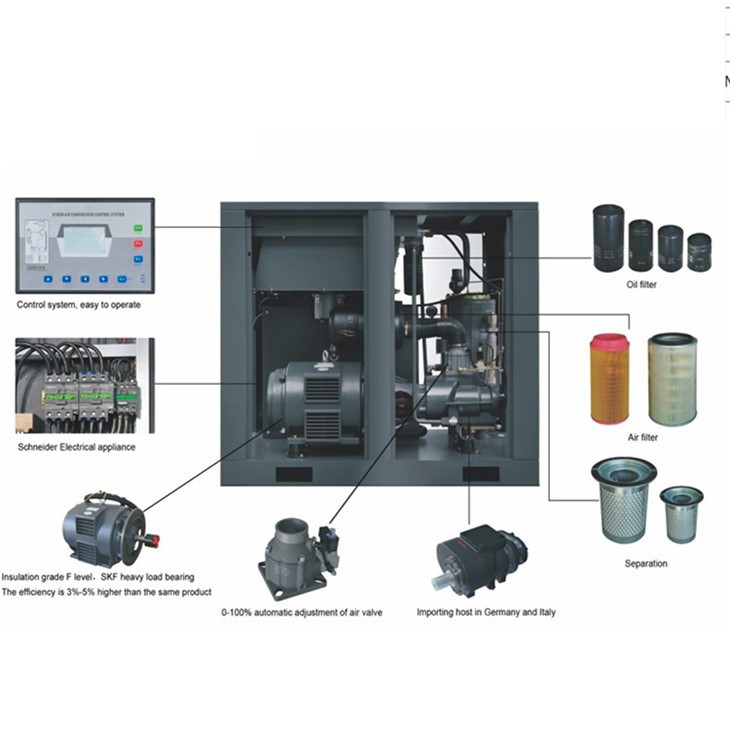

An air dryer removes moisture from the compressed air, ensuring that the air supplied to your equipment is clean, dry, and free from contaminants. This not only extends the lifespan of your pneumatic tools and machinery but also improves the quality of your products and processes.
Types of Air Dryers for Screw Air Compressors
There are several types of air dryers available on the market, each with its own advantages and disadvantages. The most common types of air dryers for screw air compressors include:
- Refrigerated Air Dryers: These dryers work by cooling the compressed air to a temperature where the moisture condenses and can be removed. Refrigerated air dryers are relatively inexpensive and easy to maintain, making them a popular choice for many applications.
- Desiccant Air Dryers: Desiccant air dryers use a desiccant material, such as silica gel or activated alumina, to adsorb moisture from the compressed air. These dryers can achieve very low dew points, making them suitable for applications that require extremely dry air, such as in the electronics and pharmaceutical industries.
- Membrane Air Dryers: Membrane air dryers use a semi-permeable membrane to separate moisture from the compressed air. These dryers are compact, lightweight, and require no electricity or moving parts, making them ideal for portable and remote applications.
When choosing an air dryer for your screw air compressor, it's important to consider factors such as the required dew point, the flow rate of the compressed air, and the operating environment.
Pre-Installation Preparations
Before you begin the installation process, it's important to take the necessary precautions to ensure a safe and successful installation. Here are some pre-installation preparations you should make:
- Read the Manufacturer's Instructions: Carefully read the installation instructions provided by the manufacturer of the air dryer and the screw air compressor. Make sure you understand all the steps and requirements before you start the installation.
- Gather the Necessary Tools and Materials: You'll need a variety of tools and materials to install the air dryer, including wrenches, pipe cutters, sealants, and fittings. Make sure you have all the necessary tools and materials on hand before you begin the installation.
- Choose the Right Location: Select a suitable location for the air dryer that is close to the screw air compressor and has adequate ventilation. The air dryer should be installed on a level surface and away from sources of heat and moisture.
- Shut Off the Power and Air Supply: Before you start the installation, shut off the power to the screw air compressor and the air supply to the system. This will prevent any accidents or injuries during the installation process.
Installation Steps
Once you've completed the pre-installation preparations, you're ready to begin the installation process. Here are the general steps for installing an air dryer for a screw air compressor:
- Mount the Air Dryer: Use the mounting brackets provided by the manufacturer to mount the air dryer on a suitable surface. Make sure the air dryer is level and securely fastened to the surface.
- Connect the Inlet and Outlet Pipes: Connect the inlet pipe from the screw air compressor to the inlet port of the air dryer using the appropriate fittings and sealants. Connect the outlet pipe from the air dryer to the downstream equipment or system using the same method.
- Install the Drain Valve: Install the drain valve provided by the manufacturer at the bottom of the air dryer. The drain valve is used to remove the condensed moisture from the air dryer. Make sure the drain valve is connected to a suitable drain line and is properly adjusted.
- Connect the Electrical Supply: If the air dryer is electrically powered, connect the electrical supply to the air dryer using the appropriate wiring and connectors. Make sure the electrical supply is properly grounded and meets the requirements of the air dryer.
- Test the System: Once the installation is complete, turn on the power to the screw air compressor and the air dryer. Check for any leaks in the pipes and connections, and make sure the air dryer is operating properly. Monitor the dew point and the pressure of the compressed air to ensure that the air dryer is functioning as expected.
Post-Installation Checks
After the installation is complete, it's important to perform some post-installation checks to ensure that the air dryer is working properly and that the system is safe and efficient. Here are some post-installation checks you should perform:
- Check for Leaks: Inspect all the pipes and connections for any signs of leaks. Use a leak detector or a soapy water solution to check for leaks. If you find any leaks, tighten the connections or replace the seals as necessary.
- Monitor the Dew Point: Use a dew point meter to monitor the dew point of the compressed air. The dew point should be within the acceptable range specified by the manufacturer of the air dryer. If the dew point is too high, adjust the settings of the air dryer or check for any problems with the system.
- Check the Drain Valve: Make sure the drain valve is working properly and is draining the condensed moisture from the air dryer. Check the drain line for any blockages or restrictions, and clean the drain valve regularly to prevent clogs.
- Inspect the Air Dryer: Regularly inspect the air dryer for any signs of damage or wear. Check the filters, the heat exchanger, and the compressor for any problems, and replace any worn or damaged parts as necessary.
Conclusion
Installing an air dryer for a screw air compressor is a relatively straightforward process that can significantly enhance the performance and efficiency of your compressed air system. By following the steps outlined in this blog post and taking the necessary precautions, you can ensure a safe and successful installation.
If you're in the market for a Three Phase Screw Air Compressor, an Industrial Use Screw Air Compressor, or a Screw Type Air Compressor, or if you have any questions about air dryer installation or maintenance, please don't hesitate to contact us. Our team of experts is always ready to assist you with your compressed air needs.
References
- Compressed Air and Gas Institute (CAGI). (2023). Compressed Air Handbook.
- Pneumatic Handbook. (2023). Parker Hannifin Corporation.
- Air Dryer Installation Manuals. (2023). Various Manufacturers.