


So, you've just bought a Super Silent Air Compressor from us, and you're eager to put it to the test. That's great! Testing your new compressor right after purchase is crucial to ensure it's working as it should and to catch any potential issues early on. In this blog post, I'll walk you through the steps to test your Super Silent Air Compressor effectively.
Step 1: Unboxing and Inspection
First things first, carefully unbox your compressor. Check for any visible damage during shipping. Look for dents, scratches, or loose parts. If you find anything amiss, contact us right away. We want to make sure you get a top - notch product.
Once you've done a visual inspection, take a look at the components that come with the compressor. You should have the compressor unit itself, power cord, air hose, and maybe some additional accessories depending on the model. Make sure all the parts are present and in good condition.
Step 2: Placement
Before you start testing, find a suitable place to set up your compressor. It should be on a flat, stable surface. The Super Silent Air Compressor is designed to be quiet, but proper placement can further reduce noise and vibration. Avoid placing it on soft surfaces or near objects that could block the air intake or exhaust. Also, make sure there's enough space around it for proper ventilation.
Step 3: Power Connection
Now it's time to connect the compressor to a power source. Check the voltage requirements of your compressor. Our Super Silent Air Compressors are designed to work with standard household or industrial power supplies, but it's always a good idea to double - check. Plug in the power cord and make sure it's securely connected.
Step 4: Initial Start - up
With the compressor properly placed and connected to power, it's time to start it up. Locate the power switch and turn it on. You should hear the compressor start to run. Pay close attention to the sound. As the name suggests, our Super Silent Air Compressor should operate quietly. If you hear any loud or unusual noises, like rattling, grinding, or screeching, turn off the compressor immediately. This could indicate a problem with the internal components.
Step 5: Pressure Build - up
As the compressor runs, it will start to build up air pressure in the tank. Most compressors have a pressure gauge that shows the current pressure inside the tank. Watch the gauge and see if the pressure starts to increase steadily. It should reach the maximum pressure rating specified for your model within a reasonable amount of time.
If the pressure doesn't build up or takes an unusually long time, there could be a problem with the pump or a leak in the system. Check all the connections, including the air hose and fittings, to make sure they're tight. You can also use a soapy water solution to check for leaks. Apply the solution to the connections, and if you see bubbles forming, there's a leak that needs to be fixed.
Step 6: Air Output Test
Once the compressor has reached the maximum pressure, it's time to test the air output. Connect your air tool or a pressure - regulated device to the air outlet of the compressor using the air hose. Open the valve on the air tool or device and see if you get a steady stream of air.
The air output should be strong enough to power your tool effectively. If the air flow is weak or inconsistent, there could be a blockage in the air hose or a problem with the regulator. Check the air hose for any kinks or obstructions, and make sure the regulator is set correctly.
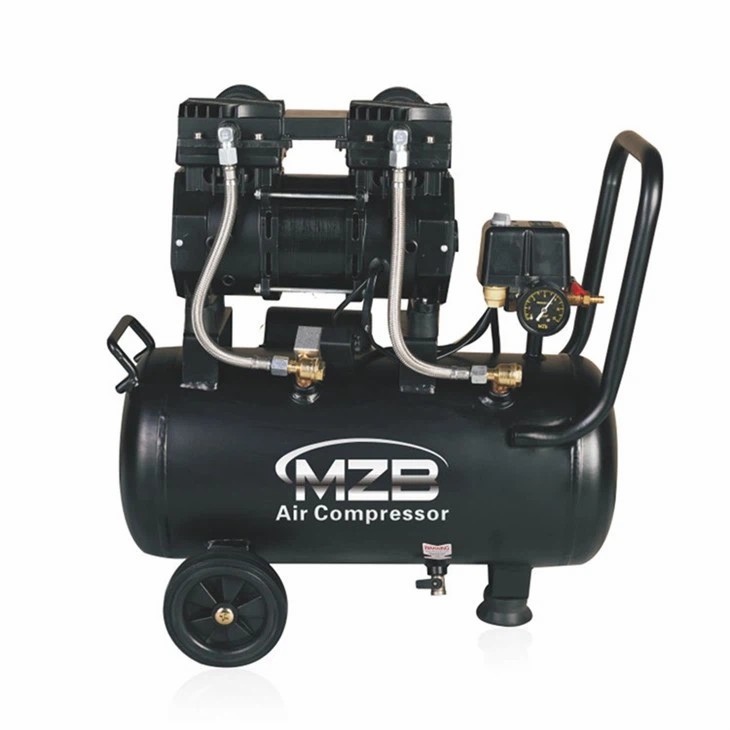

Step 7: Automatic Shut - off Test
Most Super Silent Air Compressors are equipped with an automatic shut - off feature. This feature stops the compressor when the tank reaches the maximum pressure and restarts it when the pressure drops below a certain level. To test this feature, let the compressor run until it shuts off automatically. Then, use your air tool to release some air from the tank. The compressor should start up again when the pressure drops to the pre - set level.
If the automatic shut - off doesn't work or the compressor doesn't restart properly, there could be an issue with the pressure switch. This is a critical safety feature, so if you suspect a problem, don't hesitate to contact us for assistance.
Step 8: Continuous Operation Test
For a more comprehensive test, run the compressor continuously for a short period. This will help you check its performance under extended use. Monitor the temperature of the compressor during this test. It should not overheat. If you feel excessive heat coming from the compressor, turn it off immediately. Overheating can damage the internal components and reduce the lifespan of the compressor.
Step 9: Noise Level Check
Throughout the testing process, pay attention to the noise level. Our Super Silent Air Compressors are engineered to be as quiet as possible, but it's still a good idea to measure the noise. You can use a smartphone app or a dedicated noise meter. Compare the noise level with the specifications provided in the product manual. If the noise is significantly higher than expected, there could be a problem with the sound - dampening components or the motor.
Step 10: Final Inspection
After you've completed all the tests, turn off the compressor and let it cool down. Once it's cooled, do a final inspection. Check all the connections again to make sure they're still tight. Look for any signs of oil leaks (if your model is an oil - lubricated compressor) or other issues that may have arisen during the testing.
If you're satisfied with the performance of your Super Silent Air Compressor after these tests, then congratulations! You've got a great piece of equipment that should serve you well for years to come.
We offer a range of high - quality air compressors, including the 3 Cylinder Oil Free Air Compressor, Oilless Air Compressor, and 8 Bar High Pressure Oil Free Air Compressor. Each model is designed with the latest technology to provide reliable and efficient performance.
If you're interested in purchasing more air compressors for your business or have any questions about our products, don't hesitate to reach out. We're here to help you find the perfect air compressor solution for your needs. Whether you're a small - scale workshop or a large industrial facility, we've got the right compressor for you. Contact us today to start the procurement discussion and take your operations to the next level.
References
- Manufacturer's product manual for Super Silent Air Compressor
- General guidelines for air compressor testing and maintenance


