

As a supplier of Electric Motor for Air Compressor, I've witnessed firsthand the importance of a well - functioning electric motor in an air compressor system. Recognizing the signs of a failing electric motor can save you from costly breakdowns, downtime, and potential safety hazards. In this blog, I'll share some common signs that your air compressor's electric motor might be on the verge of failure.
Unusual Noises
One of the most obvious signs of a failing electric motor is the presence of unusual noises. A healthy motor typically runs quietly, with only a gentle hum. However, if you start hearing grinding, screeching, or knocking sounds, it's a red flag.
Grinding noises often indicate that there is wear and tear on the motor's bearings. Bearings are essential components that allow the motor's shaft to rotate smoothly. Over time, due to continuous use and exposure to heat and friction, the bearings can degrade. When this happens, the metal parts start to rub against each other, producing the grinding sound. If left unaddressed, the worn - out bearings can cause the motor shaft to misalign, leading to further damage and eventually motor failure.
Screeching noises, on the other hand, may be a sign of a loose or worn - out belt. In an air compressor, the belt transfers power from the motor to the compressor pump. If the belt is too loose, it can slip on the pulleys, creating a high - pitched screech. A worn - out belt may also produce this noise as the rubber deteriorates and loses its grip. Regularly checking the belt tension and condition can help prevent this issue.
Knocking sounds can be more serious and may indicate internal damage to the motor. It could be due to loose components inside the motor, such as loose windings or a damaged rotor. This type of noise should not be ignored, as it can quickly lead to a complete motor breakdown.
Overheating
Overheating is another significant sign of a failing electric motor. Motors generate heat during normal operation, but they are designed to dissipate this heat efficiently. When a motor overheats, it can cause serious damage to its internal components.
There are several reasons why a motor might overheat. One common cause is overloading. If the air compressor is being used beyond its rated capacity, the motor has to work harder, generating more heat than it can handle. This can happen if the compressor is used to power tools that require more air pressure or volume than the compressor is designed to provide.
Another cause of overheating is poor ventilation. Motors need proper airflow to cool down. If the motor's ventilation system is blocked by dust, debris, or improper installation, the heat cannot escape, leading to a rise in temperature. Regularly cleaning the motor and ensuring that it has enough space around it for air circulation can help prevent overheating.
Electrical problems can also contribute to overheating. For example, a short circuit in the motor's windings can cause excessive current flow, which in turn generates more heat. Faulty wiring or a malfunctioning capacitor can also lead to electrical issues that result in overheating.
Frequent Tripping of Circuit Breakers
If the circuit breaker for your air compressor keeps tripping, it's a clear indication that there is a problem with the electric motor. Circuit breakers are designed to protect the electrical system from overcurrent. When the motor draws too much current, the circuit breaker trips to prevent damage to the motor and the electrical wiring.
There are several reasons why a motor might draw excessive current. As mentioned earlier, overloading the motor can cause it to draw more power. A short circuit in the motor's windings can also result in a sudden increase in current. Additionally, a malfunctioning capacitor can disrupt the motor's starting and running performance, leading to higher current consumption.
Reduced Performance
A failing electric motor can also lead to a reduction in the air compressor's performance. You may notice that the compressor takes longer to reach the desired air pressure, or it struggles to maintain the pressure. This can be due to a decrease in the motor's power output.
Worn - out components, such as bearings or brushes (in the case of brushed motors), can cause the motor to run less efficiently. As the motor's efficiency decreases, it cannot deliver the same amount of power to the compressor pump, resulting in reduced performance.
Vibrations
Excessive vibrations in the air compressor can be a sign of a failing electric motor. While some level of vibration is normal during operation, abnormal vibrations can indicate an issue. Misaligned motor shafts, unbalanced rotors, or loose mounting can all cause the motor to vibrate more than usual.
These vibrations can not only cause damage to the motor itself but also to other components of the air compressor. Over time, the vibrations can loosen bolts and connections, leading to leaks and other problems.
Erratic Starting or Stopping
If the electric motor has difficulty starting or stops unexpectedly during operation, it's a cause for concern. Starting problems can be due to a variety of issues, such as a faulty capacitor, worn - out brushes, or a problem with the starting relay. A malfunctioning capacitor can prevent the motor from generating enough torque to start the compressor pump.
Unexpected stopping can be a sign of an electrical problem, such as a short circuit or a loose connection. It can also be due to overheating, which causes the motor to shut down as a safety mechanism.
High Energy Consumption
A sudden increase in the air compressor's energy consumption can be a sign of a failing electric motor. As the motor becomes less efficient due to wear and tear or other issues, it has to draw more power to perform the same tasks. This can lead to higher electricity bills and increased operating costs.
What to Do Next
If you notice any of these signs in your air compressor's electric motor, it's important to take action promptly. Ignoring these signs can lead to more severe damage and eventually motor failure.
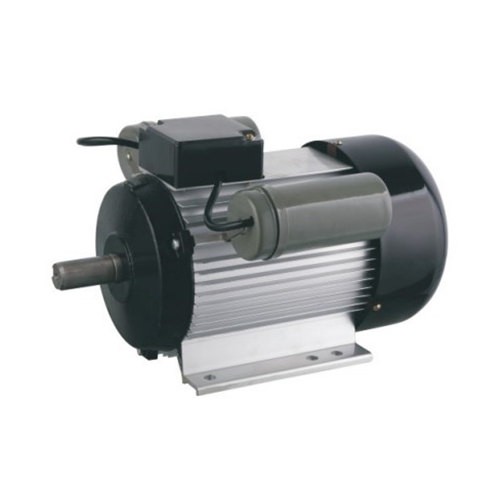
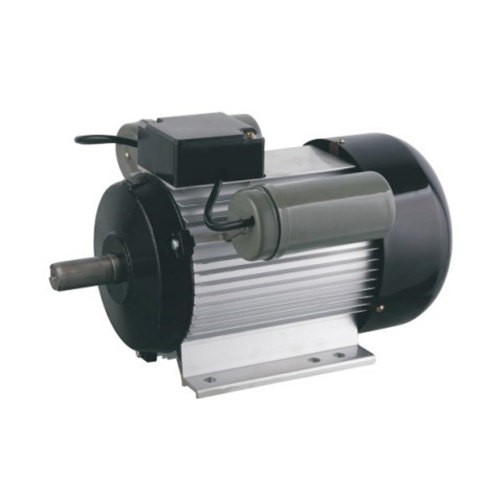
First, you can try to troubleshoot the problem yourself. Check the motor for any visible signs of damage, such as loose connections, worn - out belts, or overheating. Make sure that the compressor is not overloaded and that the ventilation system is clean and unobstructed.
If you're not comfortable troubleshooting the problem yourself, it's recommended to contact a professional technician. They have the expertise and tools to diagnose and repair the issue.
As a supplier of Electric Motor for Air Compressor, we offer a wide range of high - quality motors, including Three Phase Motor for Screw Air Compressor and Single Phase Motor for Air Compressor. If you're in the market for a new motor or need advice on motor maintenance, feel free to reach out to us. We're here to help you keep your air compressor running smoothly.
References
- ASME Performance Test Codes Committee. (2016). Performance Test Code on Compressors and Exhausters. American Society of Mechanical Engineers.
- IEEE Standards Association. (2018). IEEE Standard for General Requirements for Rotating Machinery. Institute of Electrical and Electronics Engineers.
- Motor and Generator Maintenance Handbook. (2019). McGraw - Hill Education.