


Hey there! As a supplier of C Type Piston Air Compressor, I often get asked about the air quality output of these machines. So, I thought I'd write this blog to share some insights on what you can expect from the air quality of a C Type Piston Air Compressor.
Let's start with the basics. A C Type Piston Air Compressor works by using a piston within a cylinder to compress air. This process is pretty straightforward but has a significant impact on the quality of the air it outputs. When air is compressed, it goes through a series of changes that can affect its purity and suitability for different applications.
One of the primary factors that influence the air quality output is the intake air. The compressor sucks in air from the surrounding environment, and if that air is dirty, full of dust, or has other contaminants, it will be reflected in the output. For instance, if you're using the compressor in a workshop where there's a lot of sawdust or metal shavings in the air, these particles will get drawn into the compressor.
Once the air is inside the compressor, the compression process itself can also introduce contaminants. The piston and cylinder components move at high speeds, and there's friction involved. This friction can cause wear and tear, and small metal particles might break off and mix with the compressed air. Additionally, the lubricating oil used in the compressor can also end up in the air stream. If the oil isn't properly separated from the air, it can lead to oil carryover in the output.
Now, let's talk about the different aspects of air quality that we usually look at. First up is particulate matter. Particles in the compressed air can cause problems in various applications. In pneumatic tools, for example, particles can clog up the small passages and valves, reducing the tool's efficiency and lifespan. In painting applications, particles in the air can cause a rough finish on the painted surface.
The C Type Piston Air Compressor typically comes with filters to remove particulate matter. These filters are designed to trap particles of different sizes. The quality of the filters and how well they're maintained play a crucial role in the air quality. If the filters are dirty or clogged, they won't be able to do their job effectively, and the output air will have a higher concentration of particles.
Another important aspect is moisture. When air is compressed, its temperature rises, and the moisture in the air can condense. This condensed water can cause corrosion in the compressor and the downstream equipment. It can also affect the performance of pneumatic tools and contaminate products in manufacturing processes. To deal with moisture, many C Type Piston Air Compressors are equipped with aftercoolers and moisture separators. The aftercooler cools down the compressed air, causing more moisture to condense, and the moisture separator then removes the condensed water.
Oil content is also a key factor in air quality. As I mentioned earlier, the lubricating oil in the compressor can end up in the output air. High oil content can be a problem in applications where oil-free air is required, such as in the food and beverage industry or in some medical applications. To reduce oil carryover, modern C Type Piston Air Compressors use advanced oil separation techniques. These can include multi-stage oil separators that are designed to capture and return the oil to the compressor's lubrication system.
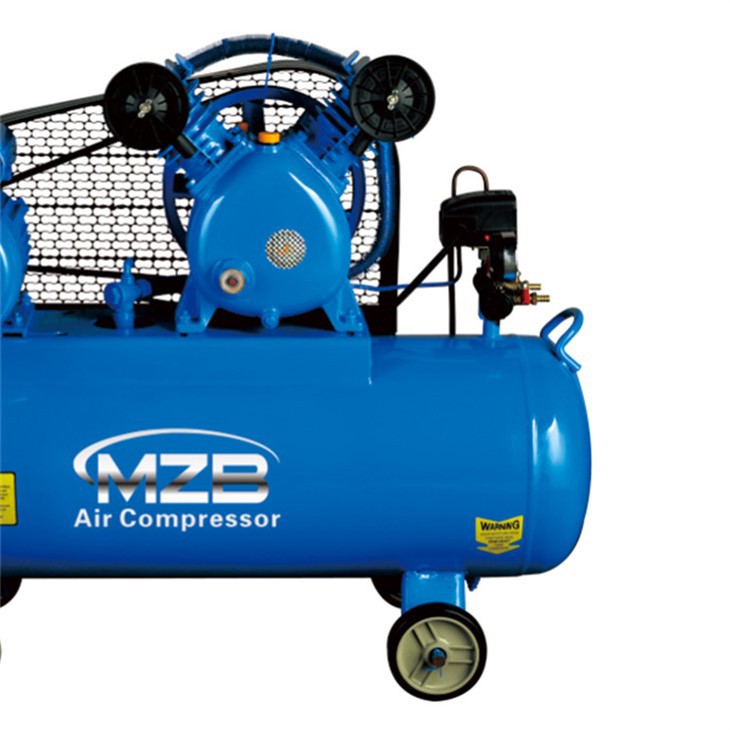
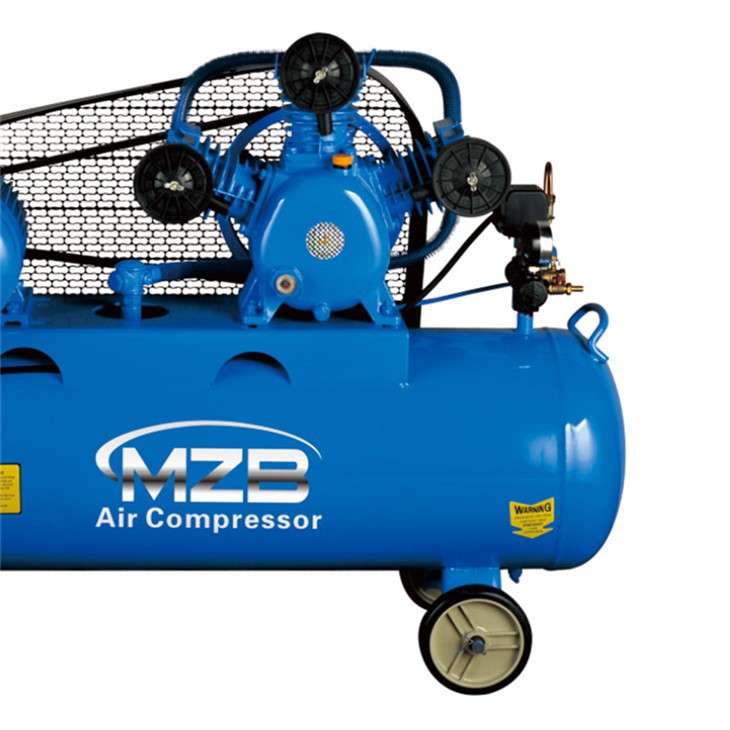
The air quality output of a C Type Piston Air Compressor can vary depending on the model and its design. Some compressors are designed for general industrial use, where a certain level of particulate matter, moisture, and oil content might be acceptable. Others are specifically engineered for applications that require high-quality, clean air. For example, if you're looking for a compressor for a pharmaceutical manufacturing facility, you'll need a model that can produce air that meets strict purity standards.
As a supplier, I understand the importance of providing compressors that can deliver the right air quality for different applications. That's why we offer a range of C Type Piston Air Compressors with different air quality capabilities. We also provide guidance on how to maintain the compressors to ensure optimal air quality.
Regular maintenance is essential for keeping the air quality output at its best. This includes changing the filters at the recommended intervals, checking and maintaining the aftercooler and moisture separator, and monitoring the oil level and quality. By following the maintenance schedule, you can extend the lifespan of the compressor and ensure that it continues to produce high-quality air.
In conclusion, the air quality output of a C Type Piston Air Compressor is influenced by multiple factors, including the intake air, the compression process, and the components used in the compressor. By using proper filtration, moisture removal, and oil separation techniques, and by performing regular maintenance, you can achieve a high level of air quality.
If you're in the market for a C Type Piston Air Compressor and need to ensure a specific air quality for your application, don't hesitate to get in touch. We're here to help you choose the right compressor and provide all the support you need to keep it running smoothly. Whether you're running a small workshop or a large manufacturing facility, we have the expertise to assist you in getting the best air quality output from your compressor.
References
- Compressed Air and Gas Handbook
- Pneumatic Systems Design and Maintenance Manual


