


What is the horsepower of an electric motor for an air compressor?
As a supplier of Electric Motor for Air Compressor, I often encounter inquiries from customers about the appropriate horsepower of electric motors for air compressors. Understanding the right horsepower is crucial as it directly impacts the performance, efficiency, and overall functionality of the air compressor.
Basics of Horsepower in Electric Motors
Horsepower (hp) is a unit of power that measures the rate at which work is done. In the context of electric motors for air compressors, it indicates the motor's ability to drive the compressor pump and generate compressed air. A higher - horsepower motor generally means more power is available to compress air, which can result in higher air pressure and greater air - flow rates.
The concept of horsepower was first introduced by James Watt in the 18th century. He defined one horsepower as the amount of power required to lift 550 pounds by one foot in one second. In the metric system, 1 hp is approximately equal to 746 watts.
Factors Influencing the Required Horsepower
Compressor Type
There are different types of air compressors, such as reciprocating, rotary screw, and centrifugal compressors. Each type has different power requirements.
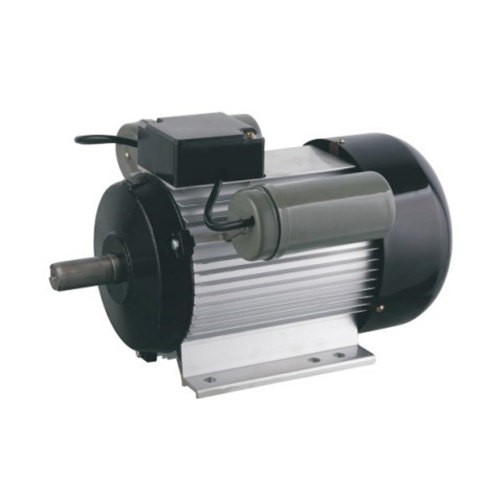
Reciprocating compressors use pistons to compress air. Smaller reciprocating compressors used for light - duty applications like home workshops may only require a 1 - 2 hp motor. These are typically single - phase motors, and you can find suitable options at Single Phase Motor for Air Compressor. On the other hand, larger reciprocating compressors used in industrial settings may need 5 - 20 hp or more, depending on the size of the compressor and the required air output.
Rotary screw compressors are known for their continuous operation and high - volume air delivery. They are commonly used in industrial applications. These compressors usually require more power, often starting from 5 hp and going up to several hundred hp for large - scale industrial operations. Our Three Phase Motor for Screw Air Compressor is well - suited for this type of compressor. The three - phase power supply provides a more stable and efficient power source for the high - demand operation of rotary screw compressors.
Centrifugal compressors are used for very high - volume and high - pressure applications, such as in large - scale manufacturing plants and power generation facilities. They can require extremely high - horsepower motors, sometimes in the thousands of hp range.
Air Demand
The amount of air required by the end - use applications is a significant factor in determining the horsepower. If you have multiple pneumatic tools or equipment running simultaneously, you will need a compressor with a higher air - delivery capacity, which in turn requires a more powerful motor.
For example, a small nail gun may only need a small amount of compressed air, and a 1 - 2 hp compressor may be sufficient. However, if you are using a large - scale paint sprayer or an air - powered conveyor system, you will need a compressor with a much higher air - flow rate and thus a more powerful motor.
Pressure Requirements
The pressure at which the compressed air is needed also affects the horsepower. Higher pressure requires more work to be done by the compressor, and therefore a more powerful motor.
Most common industrial applications require compressed air at pressures between 90 - 125 psi (pounds per square inch). If your application requires a higher pressure, say 150 psi or more, you will need a compressor with a more powerful motor to achieve and maintain that pressure.
Calculating the Required Horsepower
Calculating the exact horsepower for an air compressor can be a complex process. However, there are some general guidelines and formulas that can be used as a starting point.
One common formula for estimating the horsepower of a reciprocating compressor is based on the air - delivery rate (in cubic feet per minute, CFM) and the pressure (in psi). The formula is:
[HP=\frac{CFM\times psi}{634}]
This formula provides a rough estimate and assumes certain efficiency factors. In real - world applications, other factors such as compressor efficiency, motor efficiency, and system losses need to be taken into account.
For rotary screw compressors, the calculation is more complex as it depends on factors like the compressor's volumetric efficiency, compression ratio, and power - consumption characteristics of the specific compressor model. Manufacturers usually provide performance curves and power - requirement data for their compressors, which can be used to select the appropriate motor horsepower.
Importance of Choosing the Right Horsepower
Efficiency
Choosing the right horsepower motor is essential for energy efficiency. If the motor is too large for the compressor's requirements, it will consume more energy than necessary, leading to higher operating costs. On the other hand, if the motor is too small, the compressor may not be able to meet the air - demand requirements, resulting in reduced performance and potential damage to the compressor due to over - working.
Performance
A properly sized motor ensures that the compressor can deliver the required air pressure and flow rate consistently. This is crucial for the smooth operation of pneumatic tools and equipment. For example, if a paint sprayer does not receive a consistent and adequate supply of compressed air, the paint finish may be uneven, and the quality of the work will be affected.
Longevity
Using a motor with the appropriate horsepower helps to extend the lifespan of the compressor. A motor that is over - worked due to being under - sized will experience more wear and tear, leading to more frequent breakdowns and a shorter overall lifespan.
Our Electric Motors for Air Compressors
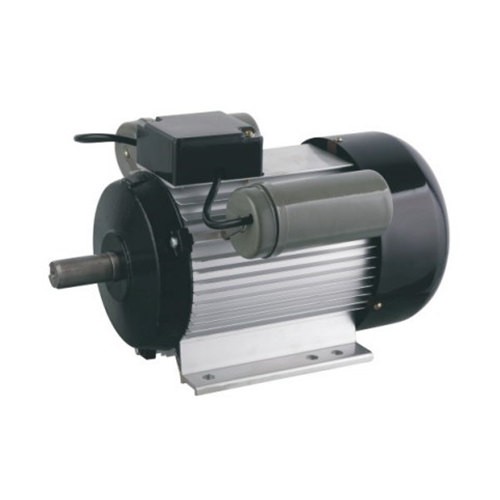
At our company, we offer a wide range of Electric Motor for Air Compressor to meet different customer needs. Our motors are designed with high - quality materials and advanced technology to ensure reliable performance, energy efficiency, and long - term durability.
We have single - phase motors for small - scale and light - duty applications, as well as three - phase motors for industrial - grade compressors. Our technical team can provide professional advice on choosing the right motor horsepower based on your specific compressor type, air demand, and pressure requirements.
Contact Us for Purchase and Consultation
If you are in the market for an electric motor for your air compressor, we are here to help. Whether you need a small - horsepower motor for a home workshop or a high - horsepower motor for an industrial facility, we have the right solution for you.
Our team of experts can assist you in selecting the most suitable motor, providing detailed product information, and answering any questions you may have. We are committed to providing high - quality products and excellent customer service.
If you are interested in learning more about our products or would like to discuss your specific requirements, please feel free to reach out to us. We look forward to the opportunity to work with you and help you find the perfect electric motor for your air compressor.
References
- ASME (American Society of Mechanical Engineers) standards on air compressor performance and power requirements.
- Compressor manufacturer's technical manuals and performance data sheets.
- Textbooks on fluid mechanics and compressor engineering, such as "Compressor Technology Handbook" by Heinz P. Bloch.


