


Hey there! I'm a supplier of Oilless Air Compressors, and I've seen firsthand how these nifty machines can make a world of difference in various industries. But like any piece of equipment, they come with their own set of safety precautions. So, let's dive into what you should keep in mind when using an oilless air compressor.
Pre - Use Checks
Before you even think about firing up your oilless air compressor, there are a few things you need to do. First off, give the compressor a good visual inspection. Look for any signs of damage, like cracks in the tank, loose wires, or leaks in the hoses. If you spot anything funky, don't use the compressor until it's been fixed. A damaged compressor can be a real safety hazard, and it's not worth the risk.
Next, check the air filter. A clogged filter can reduce the efficiency of the compressor and even cause it to overheat. Make sure it's clean and in good condition. If it's dirty, clean or replace it according to the manufacturer's instructions.
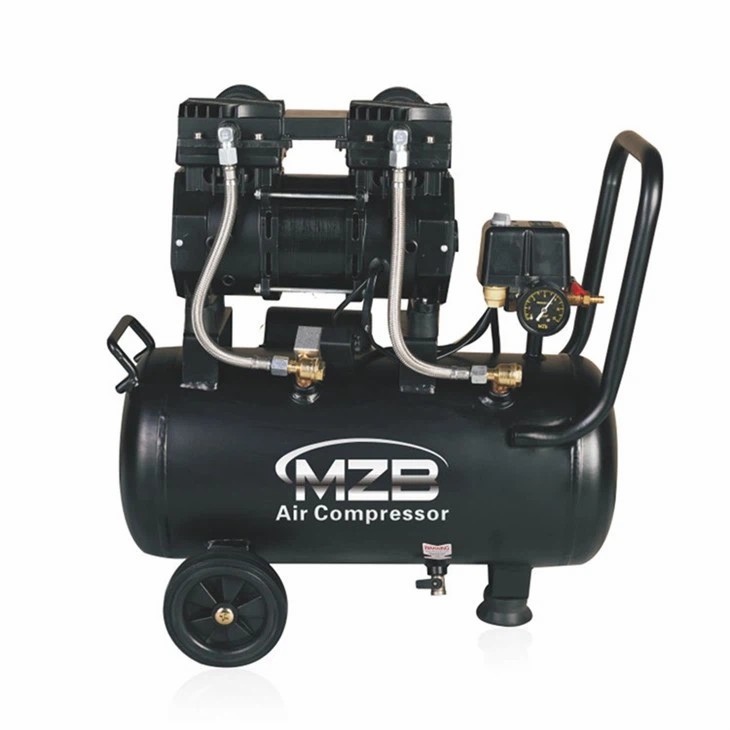
Also, take a look at the pressure relief valve. This valve is a crucial safety feature that releases excess pressure if it builds up inside the tank. Ensure it's working properly by testing it gently. If it doesn't seem to be functioning right, get it replaced immediately.
Installation and Placement
Where you set up your oilless air compressor matters a lot. It should be placed on a flat, stable surface. A wobbly or uneven surface can cause the compressor to tip over, which is obviously not good. Also, make sure there's plenty of ventilation around the compressor. It needs to breathe, just like we do! Adequate ventilation helps prevent overheating, which can lead to malfunctions or even fires.
Keep the compressor away from flammable materials. Oilless air compressors generate heat, and if they're too close to something that can catch fire, it's a recipe for disaster. And don't forget to leave enough space around the compressor for easy access. You'll need to be able to reach the controls, check the filters, and perform maintenance without any hassle.
Operating the Compressor
When you're ready to start the compressor, follow the startup procedure carefully. Don't just hit the on - button and hope for the best. Read the manual and do it step by step. This usually involves turning on the power switch, setting the desired pressure, and waiting for the compressor to build up pressure.
While the compressor is running, keep an eye on the pressure gauge. Don't let the pressure go above the recommended level. Over - pressurizing the tank can cause it to rupture, which is extremely dangerous. If the pressure seems to be rising too quickly or is getting close to the maximum limit, turn off the compressor immediately and check for any issues.
Also, avoid overloading the compressor. Each compressor has a specific capacity, and if you try to make it do more than it can handle, it'll wear out faster and could potentially break down. For example, if you're using tools that require a lot of air, make sure the compressor can supply enough. If not, you might need to upgrade to a more powerful model, like our Double Tank 24 Liter Oil Free Air Compressor.
Using Compressed Air
When using compressed air from the compressor, there are some important safety rules. Never point the air hose at yourself or anyone else. Compressed air can cause serious injuries, like eye damage or even internal injuries if it's forced into the body through a small opening.
Use the right accessories for the job. If you're using a blow gun, make sure it has a safety valve to prevent accidental discharge. And always wear appropriate personal protective equipment (PPE), such as safety glasses, gloves, and hearing protection. Compressed air can be noisy, and it can also kick up dust and debris, so you need to protect yourself.
Maintenance
Regular maintenance is key to keeping your oilless air compressor safe and running smoothly. Change the air filter regularly, as mentioned earlier. Also, drain the moisture from the tank frequently. Moisture can build up inside the tank over time, which can lead to rust and corrosion. Most compressors have a drain valve at the bottom of the tank. Just open it up and let the water out.
Check the hoses and connections for leaks. A leaky hose can reduce the efficiency of the compressor and also pose a safety risk. You can use a soapy water solution to check for leaks. If you see bubbles forming at a connection, it means there's a leak. Tighten the connection or replace the hose if necessary.
Lubricate the moving parts as recommended by the manufacturer. Even though it's an oilless compressor, some parts might still need a little bit of lubrication to work properly. This helps reduce friction and wear, which can extend the lifespan of the compressor.

Storage
If you're not going to use the compressor for a while, proper storage is essential. First, drain all the air from the tank and turn off the power. Then, clean the compressor thoroughly to remove any dirt, dust, or debris.
Store the compressor in a dry, cool place. Moisture can cause rust and damage the internal components. You might also want to cover the compressor with a protective cover to keep it clean and prevent any accidental damage.
Additional Safety Tips
Invest in a high - quality oilless air compressor. Cheaper models might seem like a good deal, but they often lack the safety features and durability of more expensive ones. Our Oilless Air Compressor is built to last and comes with all the necessary safety features.
Train anyone who will be using the compressor. Make sure they understand how to operate it safely and are aware of all the safety precautions. A little training can go a long way in preventing accidents.
Finally, if you have any questions or concerns about the safety of your oilless air compressor, don't hesitate to contact the manufacturer or a professional technician. It's better to be safe than sorry.
In conclusion, using an oilless air compressor can be a great addition to your workspace, but it's important to take the right safety precautions. By following these tips, you can ensure that you and your compressor stay safe. If you're in the market for a reliable oilless air compressor, we've got you covered. We offer a range of high - quality products, including our Super Silent Air Compressor, which is perfect for environments where noise is a concern.
If you're interested in purchasing an oilless air compressor or have any questions about our products, feel free to reach out to us. We're here to help you make the right choice and ensure that you get the most out of your compressor.
References
- Compressor Manufacturer's Manuals
- Industry Safety Standards and Guidelines


