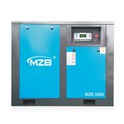

A heavy duty air compressor is a robust and powerful machine designed to meet the demanding requirements of industrial and commercial applications. These compressors are built to withstand high pressures and continuous use, making them essential for various sectors such as manufacturing, construction, and automotive repair. However, like any mechanical equipment, heavy duty air compressors can experience issues over time. The question then arises: Can a heavy duty air compressor be repaired? The answer is a resounding yes, and in this blog, we'll explore the ins and outs of repairing these workhorse machines.
As a heavy duty air compressor supplier, we've witnessed firsthand the durability and reliability of these units. Yet, even the most well - built compressors can face problems due to factors like wear and tear, improper maintenance, or unforeseen circumstances. Repairing a heavy duty air compressor is not only possible but often a cost - effective alternative to replacing it entirely.
Common Issues and Repairs
Air Leaks
One of the most common problems with air compressors is air leaks. These can occur in various parts of the compressor, such as the hoses, fittings, valves, or gaskets. A simple visual inspection can sometimes identify obvious leaks, where you might see hissing sounds or feel escaping air. To repair an air leak in a hose, you can cut out the damaged section and replace it with a new piece of hose. For leaks in fittings, tightening the connections might solve the problem. If the leak is coming from a gasket, replacing the gasket is usually the solution.
Motor Problems
The motor is the heart of the air compressor. Issues with the motor can range from electrical problems to mechanical failures. Electrical problems might include a blown fuse, a faulty capacitor, or a damaged wiring. A professional technician can use diagnostic tools to check the electrical components and replace the faulty parts. Mechanical motor failures, such as a seized bearing, may require more in - depth repair or even motor replacement. However, in many cases, early detection of motor issues can prevent more severe damage and costly repairs.
Pressure Switch Malfunctions
The pressure switch is responsible for turning the compressor on and off based on the air pressure in the tank. If the pressure switch malfunctions, the compressor may run continuously or not start at all. This can be due to a faulty pressure sensor, a stuck switch, or incorrect calibration. Repairing a pressure switch often involves cleaning or replacing the sensor, adjusting the switch settings, or replacing the entire pressure switch if necessary.
Compressor Pump Failures
The compressor pump is where the actual compression of air takes place. Over time, the pump can experience problems such as worn pistons, damaged valves, or low oil levels. Low oil levels can cause excessive friction and heat, leading to premature wear of the pump components. Regularly checking and maintaining the proper oil level is crucial for the longevity of the pump. If the pistons or valves are worn, they can be replaced. However, in some severe cases, a complete pump replacement might be required.
The Importance of Professional Repair
While some minor repairs can be done by the end - user with basic mechanical skills, many heavy duty air compressor repairs are best left to professionals. Professional technicians have the knowledge, experience, and specialized tools to diagnose and fix complex problems accurately. They are also familiar with the safety procedures involved in working on these high - pressure machines.
When you choose a professional repair service, you can expect a thorough inspection of the compressor. The technician will identify all the issues, provide a detailed repair plan, and estimate the cost and time required for the repairs. This ensures that the compressor is repaired correctly the first time, reducing the risk of future breakdowns.


Cost - Benefit Analysis of Repair vs. Replacement
When faced with a malfunctioning heavy duty air compressor, it's essential to conduct a cost - benefit analysis of repairing versus replacing the unit. The cost of repair depends on the extent of the damage, the parts needed, and the labor involved. On the other hand, the cost of a new compressor includes the purchase price, installation fees, and potentially additional costs for training and setup.
In many cases, if the compressor is relatively new and the repair cost is significantly lower than the cost of a new unit, repair is the more economical choice. However, if the compressor is old, has multiple recurring problems, or the repair cost approaches a significant percentage of the new compressor price, replacement might be the better option.
Our Product Range and Support
As a heavy duty air compressor supplier, we offer a wide range of high - quality products. Our Heavy Duty Air Compressor is designed to provide reliable performance in the most demanding environments. We also have High Pressure Compressor with Lubricating Oil, which is suitable for applications that require high - pressure air and proper lubrication. For industrial settings that require three - phase power, our Three Phase High Pressure Compressor is an excellent choice.
In addition to supplying top - notch compressors, we also offer comprehensive after - sales support. Our team of experts can assist you with installation, maintenance, and repair services. We understand that downtime can be costly for your business, so we strive to provide prompt and efficient service to get your compressor up and running as quickly as possible.
Contact Us for Your Compressor Needs
Whether you need a new heavy duty air compressor, have questions about repairs, or require maintenance services, we're here to help. Our commitment to quality products and excellent customer service has made us a trusted name in the industry. Don't hesitate to reach out to us for all your air compressor requirements. We look forward to discussing your specific needs and providing the best solutions for your business.
References
- Compressed Air Systems Handbook, by Compressed Air and Gas Institute
- Industrial Air Compressor Maintenance Guide, published by leading compressor manufacturers