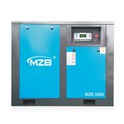

When it comes to equipping a dental practice, one of the crucial considerations is the air compressor. A quiet dental air compressor has become a popular choice for many dental professionals due to its ability to operate with minimal noise, which is highly beneficial in a clinical environment. However, a common question that arises is whether these quiet dental air compressors require special installation conditions. As a supplier of Quiet Dental Air Compressor, I am here to shed light on this topic.
Understanding the Basics of Quiet Dental Air Compressors
Before delving into the installation conditions, it is essential to understand what makes a dental air compressor quiet. These compressors are designed with advanced noise - reduction technologies. For instance, they often feature sound - insulating materials in their construction. The internal components, such as the motor and the pump, are engineered to operate smoothly and with less vibration, which in turn reduces the noise output.
Quiet dental air compressors are also available in different types, including oil - free models. Medical Oil Free Air Compressor is a great example. Oil - free compressors are not only quieter but also more hygienic as they do not produce oil mist that could contaminate the dental instruments and the air in the treatment area.
General Installation Requirements
Like any other equipment, quiet dental air compressors have some basic installation requirements. First and foremost, they need to be installed in a well - ventilated area. This is because the compressor generates heat during operation. If the heat is not dissipated properly, it can lead to overheating, which may damage the compressor and reduce its lifespan. A well - ventilated space allows the hot air to escape and fresh air to circulate around the compressor.
The installation area should also be clean and dry. Dust, dirt, and moisture can all have a negative impact on the compressor's performance. Dust can clog the air filters, reducing the airflow and increasing the load on the compressor. Moisture can cause corrosion of the metal parts inside the compressor. Therefore, it is recommended to install the compressor in an area where it is protected from these elements.


Special Installation Conditions
Now, let's address the question of whether quiet dental air compressors require special installation conditions. In most cases, the answer is yes, although the degree of specialization may vary depending on the model and its features.
Vibration Isolation
One of the key features of a quiet dental air compressor is its low - vibration operation. However, to fully realize this benefit, proper vibration isolation is necessary during installation. Vibration can travel through the floor and walls, causing additional noise in the dental office. To prevent this, the compressor should be installed on a vibration - isolating platform or rubber pads. These materials absorb the vibrations generated by the compressor, preventing them from being transmitted to the surrounding structures.
Electrical Requirements
Quiet dental air compressors, especially those with advanced features, may have specific electrical requirements. For example, some high - performance models, like the 8 Bar High Pressure Oil Free Air Compressor, may require a dedicated electrical circuit. This is to ensure that the compressor receives a stable power supply and to prevent electrical interference with other equipment in the dental office.
It is also important to ensure that the electrical connections are made correctly. Loose or improper connections can lead to electrical problems, such as short circuits or power surges, which can damage the compressor. Therefore, it is recommended to have a qualified electrician handle the electrical installation of the compressor.
Air Piping
The air piping system is another aspect that may require special attention during installation. The piping should be properly sized to ensure adequate airflow to the dental instruments. If the pipes are too small, the air pressure may drop, affecting the performance of the dental tools. On the other hand, if the pipes are too large, it can lead to unnecessary energy consumption.
The air piping should also be installed in a way that minimizes bends and turns. Sharp bends can cause pressure drops and increase the resistance to airflow. Additionally, the piping should be properly sealed to prevent air leaks, which can waste energy and reduce the efficiency of the compressor.
Maintenance and Installation Relationship
Proper installation is closely related to the maintenance of the quiet dental air compressor. When the compressor is installed correctly, it is easier to perform routine maintenance tasks. For example, if the compressor is installed in a well - accessible area, it is easier to change the air filters, check the oil level (if applicable), and inspect the internal components.
Regular maintenance is essential for the long - term performance of the compressor. It helps to keep the compressor running smoothly, reduces the risk of breakdowns, and extends its lifespan. Therefore, during the installation process, it is important to consider the ease of maintenance.
Importance of Professional Installation
Given the special installation conditions and requirements of quiet dental air compressors, it is highly recommended to have them installed by a professional. A professional installer has the knowledge and experience to ensure that the compressor is installed correctly, following all the manufacturer's guidelines.
Professional installers are also familiar with the local electrical and plumbing codes. They can ensure that the installation meets all the regulatory requirements, which is important for the safety and compliance of the dental practice.
Conclusion
In conclusion, quiet dental air compressors do require special installation conditions. These conditions are necessary to ensure the optimal performance, longevity, and noise - reduction benefits of the compressor. From vibration isolation and electrical requirements to proper air piping installation, every aspect plays a crucial role in the successful operation of the compressor.
As a supplier of Quiet Dental Air Compressor, we are committed to providing high - quality products and comprehensive support. If you are considering purchasing a quiet dental air compressor for your dental practice, we encourage you to reach out to us for more information. Our team of experts can assist you in selecting the right model and ensuring its proper installation. Whether you have questions about the installation process, maintenance, or any other aspect of the compressor, we are here to help. Contact us today to start the procurement discussion and take your dental practice to the next level.
References
- Compressor Installation Guide, Manufacturer's Manual
- Dental Equipment Standards and Regulations, Local Regulatory Bodies
- Best Practices for Dental Air Compressor Maintenance, Industry Publications