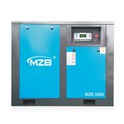

As a supplier of Super Silent Air Compressors, I often encounter questions from customers regarding the maintenance of these remarkable machines. One of the most frequently asked questions is whether super silent air compressors need regular filter replacement. In this blog post, I'll delve into this topic, providing you with a comprehensive understanding of the importance of filter replacement and how it impacts the performance and longevity of your air compressor.
The Function of Filters in Air Compressors
Before we discuss the necessity of regular filter replacement, it's essential to understand the role that filters play in air compressors. Filters are crucial components that serve multiple functions to ensure the efficient and safe operation of the compressor.


- Air Intake Filters: These filters are responsible for preventing dust, dirt, debris, and other contaminants from entering the compressor. By removing these impurities, air intake filters protect the internal components of the compressor, such as the pistons, cylinders, and valves, from wear and damage. Contaminants can cause abrasion, corrosion, and clogging, which can lead to reduced performance, decreased efficiency, and even premature failure of the compressor.
- Oil Filters (if applicable): In oil-lubricated air compressors, oil filters are used to remove contaminants from the lubricating oil. Clean oil is essential for proper lubrication, cooling, and sealing of the compressor's moving parts. Over time, the oil can become contaminated with dirt, metal particles, and other debris, which can reduce its effectiveness and cause damage to the compressor. Oil filters help to maintain the cleanliness of the oil, ensuring optimal performance and extending the life of the compressor.
- Aftercooler Filters: Aftercoolers are used to cool the compressed air after it leaves the compressor. Aftercooler filters are designed to remove moisture, oil, and other contaminants from the compressed air, ensuring that it is clean and dry before it is used in downstream applications. Moisture and contaminants in the compressed air can cause corrosion, rust, and damage to pneumatic tools, equipment, and processes. Aftercooler filters help to protect these components and ensure the quality of the compressed air.
The Importance of Regular Filter Replacement
Regular filter replacement is essential for maintaining the performance, efficiency, and longevity of your super silent air compressor. Here are some key reasons why you should replace your filters on a regular basis:
- Prevent Contamination: As mentioned earlier, filters are designed to remove contaminants from the air and oil. Over time, these filters become clogged with dirt, debris, and other impurities, reducing their effectiveness. A clogged filter can restrict the flow of air or oil, causing the compressor to work harder and consume more energy. It can also allow contaminants to bypass the filter and enter the compressor, leading to damage and premature failure. By replacing the filters regularly, you can ensure that they are functioning properly and preventing contamination from entering the compressor.
- Improve Efficiency: A clean filter allows for unrestricted airflow, which improves the efficiency of the compressor. When the filter is clogged, the compressor has to work harder to draw in air, which increases energy consumption and reduces performance. By replacing the filters regularly, you can ensure that the compressor is operating at its peak efficiency, saving you money on energy costs and reducing your carbon footprint.
- Extend the Life of the Compressor: Regular filter replacement helps to protect the internal components of the compressor from wear and damage. By preventing contaminants from entering the compressor, you can reduce the risk of abrasion, corrosion, and clogging, which can lead to premature failure of the compressor. Replacing the filters regularly can also help to maintain the proper lubrication and cooling of the compressor's moving parts, ensuring optimal performance and extending the life of the compressor.
- Ensure the Quality of the Compressed Air: In applications where clean, dry compressed air is required, such as in the food and beverage industry, pharmaceuticals, and electronics manufacturing, regular filter replacement is essential for ensuring the quality of the compressed air. Aftercooler filters help to remove moisture, oil, and other contaminants from the compressed air, ensuring that it is clean and dry before it is used in downstream applications. By replacing the filters regularly, you can ensure that the compressed air meets the required quality standards and prevents damage to pneumatic tools, equipment, and processes.
How Often Should You Replace the Filters?
The frequency of filter replacement depends on several factors, including the type of compressor, the operating conditions, and the quality of the air and oil. Here are some general guidelines to help you determine how often you should replace the filters in your super silent air compressor:
- Air Intake Filters: Air intake filters should be replaced every 6 to 12 months, or more frequently if the compressor is operating in a dusty or dirty environment. You can also monitor the pressure drop across the filter using a pressure gauge. If the pressure drop exceeds the manufacturer's recommended limit, it's time to replace the filter.
- Oil Filters (if applicable): Oil filters should be replaced every 3 to 6 months, or more frequently if the compressor is operating under heavy load or in a dirty environment. You can also monitor the oil quality using an oil analysis kit. If the oil analysis indicates that the oil is contaminated or has reached the end of its useful life, it's time to replace the oil filter and change the oil.
- Aftercooler Filters: Aftercooler filters should be replaced every 6 to 12 months, or more frequently if the compressor is operating in a humid or dirty environment. You can also monitor the pressure drop across the filter using a pressure gauge. If the pressure drop exceeds the manufacturer's recommended limit, it's time to replace the filter.
It's important to note that these are just general guidelines, and the actual frequency of filter replacement may vary depending on the specific compressor and operating conditions. Always refer to the manufacturer's recommendations for the specific filter replacement intervals for your super silent air compressor.
Conclusion
In conclusion, regular filter replacement is essential for maintaining the performance, efficiency, and longevity of your super silent air compressor. By preventing contamination, improving efficiency, extending the life of the compressor, and ensuring the quality of the compressed air, regular filter replacement can save you money on energy costs, reduce the risk of downtime and repairs, and improve the overall reliability of your compressor.
As a supplier of Super Silent Air Compressors, we offer a wide range of high-quality filters for all of our models, including 3 Cylinder Oil Free Air Compressor, 8 Bar High Pressure Oil Free Air Compressor, and Double Tank 24 Liter Oil Free Air Compressor. Our filters are designed to meet or exceed the manufacturer's specifications and are available at competitive prices.
If you have any questions about filter replacement or need assistance in selecting the right filters for your super silent air compressor, please don't hesitate to contact us. Our team of experts is here to help you ensure the optimal performance and reliability of your compressor. We look forward to discussing your requirements and assisting you with your procurement needs.
References
- Compressed Air and Gas Institute (CAGI). (n.d.). Air Compressor Maintenance Guide. Retrieved from [CAGI Website]
- Ingersoll Rand. (n.d.). Air Compressor Maintenance Best Practices. Retrieved from [Ingersoll Rand Website]
- Quincy Compressor. (n.d.). Filter Replacement Guide. Retrieved from [Quincy Compressor Website]