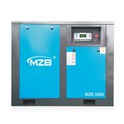

Hey there! As a supplier of Medical Oil Free Air Compressors, I've seen firsthand how various factors can impact these vital machines. One often - overlooked factor is humidity. In this blog, I'll break down how humidity affects a medical oil - free air compressor and why it's crucial to keep an eye on it.
What is Humidity and Why Does it Matter?
First off, let's get on the same page about what humidity is. Humidity refers to the amount of water vapor present in the air. There are two main types: absolute humidity and relative humidity. Absolute humidity is the actual amount of water vapor in the air, while relative humidity is the ratio of the current amount of water vapor to the maximum amount the air could hold at a given temperature.
Now, you might be wondering why humidity matters for a medical oil - free air compressor. Well, these compressors are used in a wide range of medical applications, from powering dental tools to providing clean air for respiratory equipment. Any issues with the compressor can directly impact patient safety and the effectiveness of medical procedures.

How Humidity Affects the Compressor's Performance
1. Corrosion and Rust
High humidity means there's more water in the air. When this moist air is compressed by the medical oil - free air compressor, the water vapor can condense inside the compressor. This condensed water can lead to corrosion and rust on the internal components of the compressor. For example, the metal parts like the cylinders and valves are particularly vulnerable. Over time, corrosion can weaken these parts, leading to leaks, reduced efficiency, and even complete failure of the compressor.
2. Reduced Efficiency
Humidity can also reduce the efficiency of the compressor. When water vapor is present in the air being compressed, the compressor has to work harder to achieve the same level of pressure. This is because water is much denser than air, and compressing it requires additional energy. As a result, the compressor may consume more power, leading to higher operating costs. Moreover, the increased workload can cause the compressor to overheat, which can further damage the components and reduce its lifespan.
3. Contamination of the Air Supply
In medical applications, it's crucial to have a clean and dry air supply. High humidity can lead to the growth of bacteria and mold in the compressor. The condensed water provides a perfect breeding ground for these microorganisms. When the contaminated air is delivered to the medical equipment, it can pose a significant risk to patients. For instance, in a dental office, contaminated air can contaminate dental instruments, potentially leading to infections in patients.
4. Freezing in Cold Conditions
In cold environments, the water vapor in the compressed air can freeze. This can cause blockages in the air lines and valves of the compressor. For example, if the air lines freeze, the flow of compressed air to the medical equipment will be disrupted. This can be a serious problem, especially in emergency medical situations where a continuous supply of compressed air is essential.
Dealing with Humidity in Medical Oil - Free Air Compressors
1. Air Dryers
One of the most effective ways to deal with humidity is to use an air dryer. Air dryers remove the moisture from the compressed air before it is delivered to the medical equipment. There are different types of air dryers, such as refrigerated dryers and desiccant dryers. Refrigerated dryers cool the compressed air, causing the water vapor to condense and be removed. Desiccant dryers use a desiccant material to absorb the moisture from the air.
2. Regular Maintenance
Regular maintenance is also crucial in dealing with the effects of humidity. This includes checking for signs of corrosion, cleaning the internal components, and replacing any damaged parts. For example, the air filters should be replaced regularly to prevent the growth of bacteria and mold. Additionally, the condensate drains should be checked and emptied to ensure that the condensed water is removed from the compressor.
3. Proper Installation
Proper installation of the compressor is also important. The compressor should be installed in a well - ventilated area with low humidity. Avoid installing the compressor in areas prone to water leaks or high humidity, such as basements or near water sources.
Our Product Range and How They Handle Humidity
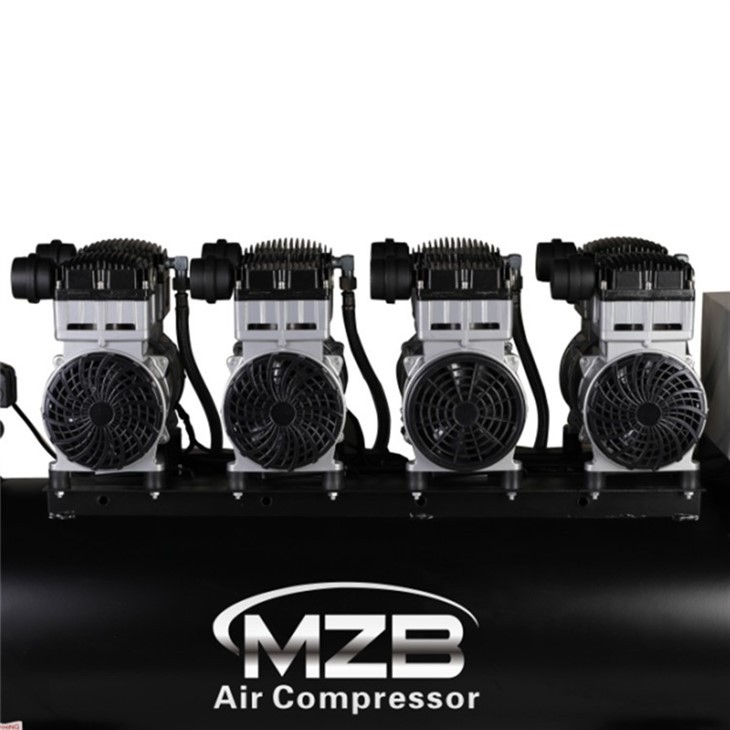
At our company, we offer a wide range of medical oil - free air compressors that are designed to handle different humidity conditions. For example, our 3 Cylinder Oil Free Air Compressor is equipped with advanced air drying technology. It has a built - in refrigerated dryer that effectively removes moisture from the compressed air, ensuring a clean and dry air supply.
Our Super Silent Air Compressor is also designed with humidity in mind. It has a sealed design that reduces the entry of moist air into the compressor. Additionally, it comes with a high - efficiency air filter that helps to prevent the growth of bacteria and mold.
If you're looking for a high - quality and reliable compressor, our 3 Cylinder Oil Free Air Compressor from the factory is a great choice. It is built with durable materials that are resistant to corrosion, even in high - humidity environments.
Conclusion
Humidity can have a significant impact on the performance and lifespan of a medical oil - free air compressor. It can cause corrosion, reduce efficiency, contaminate the air supply, and lead to freezing in cold conditions. However, by using air dryers, performing regular maintenance, and ensuring proper installation, these issues can be effectively managed.
If you're in the market for a medical oil - free air compressor, don't hesitate to contact us. We're here to help you choose the right compressor for your specific needs and ensure that it performs optimally, even in challenging humidity conditions. Whether you're a dental office, a hospital, or a medical equipment manufacturer, we have the expertise and products to meet your requirements. So, let's start a conversation and find the perfect solution for you!
References
- ASHRAE Handbook - HVAC Systems and Equipment. American Society of Heating, Refrigerating and Air - Conditioning Engineers.
- Compressed Air and Gas Handbook. Ingersoll Rand.
- Medical Gas Pipeline Systems: Design, Installation, and Maintenance. Healthcare Facilities Accreditation Program.