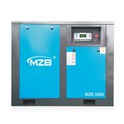

As a supplier of gasoline engine air compressors, I often get asked by customers, "How often should I service my gasoline engine air compressor?" This is a crucial question because proper maintenance not only ensures the longevity of your equipment but also its optimal performance. In this blog, I'll share some insights based on my experience in the industry to help you understand the service intervals for your gasoline engine air compressor.
Understanding the Basics of Gasoline Engine Air Compressors
Before diving into the service intervals, it's essential to understand how gasoline engine air compressors work. These compressors are powered by gasoline engines, which drive the compressor pump to draw in air and compress it into a storage tank. The compressed air can then be used for various applications, such as powering pneumatic tools, inflating tires, and more.
Gasoline engine air compressors are popular for their portability and versatility, making them a great choice for both professional and DIY users. However, like any other mechanical equipment, they require regular maintenance to keep them running smoothly.


Factors Affecting Service Intervals
The frequency of servicing your gasoline engine air compressor depends on several factors, including:
Usage Frequency
If you use your compressor frequently, it will naturally require more frequent servicing. For example, if you're a professional contractor who uses the compressor daily for extended periods, you'll need to service it more often than a homeowner who only uses it occasionally for small projects.
Operating Conditions
The environment in which you operate your compressor can also impact its service intervals. If you use the compressor in dusty or dirty conditions, the air filter will clog more quickly, and the engine may require more frequent oil changes. Similarly, if you operate the compressor in extreme temperatures, it can put additional stress on the engine and other components, necessitating more frequent maintenance.
Manufacturer's Recommendations
The manufacturer's recommendations are the most important factor to consider when determining the service intervals for your compressor. Each compressor model is designed differently, and the manufacturer will provide specific guidelines on how often to service the equipment. It's crucial to follow these recommendations to ensure the warranty remains valid and to avoid any potential damage to the compressor.
General Service Intervals
Based on the factors mentioned above, here are some general service intervals for gasoline engine air compressors:
Daily or Weekly Checks
- Visual Inspection: Before each use, visually inspect the compressor for any signs of damage, such as leaks, loose connections, or worn parts. Check the oil level in the engine and the air filter for dirt or debris.
- Air Filter Cleaning: If you're using the compressor in a dusty environment, clean the air filter daily or weekly. A clogged air filter can restrict airflow to the engine, reducing its performance and increasing fuel consumption.
- Oil Level Check: Check the oil level in the engine before each use. If the oil level is low, add the recommended type of oil to the engine.
Monthly Checks
- Air Filter Replacement: Replace the air filter every month or as recommended by the manufacturer. A dirty air filter can cause the engine to run poorly and may even damage the engine over time.
- Oil Change: Change the oil in the engine every month or after every 25 hours of operation, whichever comes first. Fresh oil helps lubricate the engine components and prevents wear and tear.
- Spark Plug Inspection: Inspect the spark plug for signs of wear or damage. If the spark plug is dirty or worn, replace it with a new one. A faulty spark plug can cause the engine to misfire or not start at all.
Quarterly Checks
- Belt Tension: Check the tension of the drive belt every quarter. A loose belt can slip, reducing the compressor's performance and causing the engine to work harder. If the belt is loose, adjust the tension according to the manufacturer's instructions.
- Valve Inspection: Inspect the intake and exhaust valves for wear or damage. If the valves are not sealing properly, it can cause a loss of compression and reduce the compressor's performance. If necessary, have the valves serviced or replaced by a qualified technician.
- Cooling System Inspection: Check the cooling system for any signs of leaks or blockages. The cooling system is essential for keeping the engine from overheating, especially during extended use. If you notice any issues with the cooling system, have it repaired immediately.
Annual Checks
- Complete Service: Have the compressor serviced by a qualified technician once a year or after every 200 hours of operation, whichever comes first. A complete service includes a thorough inspection of all components, including the engine, compressor pump, valves, and electrical system. The technician will also perform any necessary repairs or adjustments to ensure the compressor is running at its best.
Importance of Regular Servicing
Regular servicing of your gasoline engine air compressor offers several benefits, including:
Improved Performance
A well-maintained compressor will perform better and more efficiently. By keeping the engine, air filter, and other components clean and in good condition, you can ensure that the compressor delivers the required amount of compressed air at the right pressure.
Extended Lifespan
Proper maintenance can significantly extend the lifespan of your compressor. By replacing worn parts, changing the oil regularly, and keeping the engine clean, you can prevent premature wear and tear on the components and avoid costly repairs or replacements.
Safety
A properly maintained compressor is safer to use. Regular inspections can help identify any potential safety hazards, such as leaks or loose connections, and allow you to address them before they cause an accident.
Conclusion
In conclusion, the frequency of servicing your gasoline engine air compressor depends on several factors, including usage frequency, operating conditions, and the manufacturer's recommendations. By following the general service intervals outlined in this blog and performing regular checks and maintenance, you can ensure that your compressor runs smoothly, performs optimally, and lasts for many years.
If you're in the market for a high-quality Gasoline Powered Portable Air Compressor, we have a wide range of options to suit your needs. Our compressors are built to last and are backed by our commitment to quality and customer service.
If you have any questions about our products or need assistance with maintenance and servicing, please don't hesitate to contact us. We're here to help you make the right choice and ensure that your compressor operates at its best.
References
- Manufacturer's manuals for gasoline engine air compressors
- Industry best practices for compressor maintenance