
Hey there! As a supplier of oilless air compressors, I've seen firsthand how crucial it is to get these machines adjusted just right, especially for low-pressure applications. In this blog, I'll walk you through the steps to adjust your oilless air compressor for those low-pressure needs.
Understanding Low-Pressure Applications
First off, let's talk about what low-pressure applications are. These are situations where you don't need a high amount of pressure to get the job done. Think of things like inflating tires at a relatively low PSI, powering small pneumatic tools like nail guns that don't require a huge amount of force, or even some light painting jobs where a gentle stream of air is sufficient.
The advantage of using an oilless air compressor for these tasks is that they're clean, low-maintenance, and generally more portable. They're also great for environments where oil contamination could be a problem, like in food processing or medical settings.
Why Adjustment Matters
You might be wondering, "Why do I need to adjust my compressor for low-pressure applications?" Well, running your compressor at a higher pressure than necessary can waste energy, increase wear and tear on the machine, and even pose a safety risk. On the other hand, if the pressure is too low, your tools might not work properly. So, getting the right adjustment is key.

Tools You'll Need
Before you start adjusting your oilless air compressor, you'll need a few tools. You'll definitely need a pressure gauge to measure the output pressure accurately. A screwdriver is also handy for making adjustments to the pressure settings. And if you're doing any more in-depth work, like adjusting the belt tension or checking the valves, you might need some wrenches and pliers.
Step-by-Step Adjustment Process
1. Safety First
Before you start working on your compressor, make sure it's turned off and unplugged. This might seem obvious, but it's an important step to avoid any accidents. Also, let the compressor cool down if it's been running recently.
2. Locate the Pressure Regulator
The pressure regulator is usually located on the side of the compressor near the air outlet. It's a small device with a knob or a screw that you can turn to adjust the pressure.

3. Set the Desired Pressure
Using your pressure gauge, determine the pressure you need for your specific application. For example, if you're inflating a bicycle tire, you might need around 30 - 60 PSI. Once you know the desired pressure, turn the knob or screw on the pressure regulator slowly. Turn it clockwise to increase the pressure and counterclockwise to decrease it. Keep an eye on the pressure gauge as you make the adjustments.
4. Test the Pressure
After you've set the pressure, it's time to test it. Connect your tool or equipment to the compressor and turn it on. Check if the pressure is right for the job. If it's too high or too low, make small adjustments to the pressure regulator until you get the desired pressure.

5. Check for Leaks
While the compressor is running, check for any air leaks. You can do this by listening for hissing sounds or using a soapy water solution. Apply the solution to the connections and look for bubbles. If you find any leaks, tighten the connections or replace any damaged parts.
Special Considerations for Different Types of Oilless Air Compressors
8 Bar High Pressure Oil Free Air Compressor
The 8 Bar High Pressure Oil Free Air Compressor is a powerful machine that can handle a wide range of applications. When adjusting it for low-pressure applications, you need to be extra careful not to over-adjust the pressure regulator. These compressors are designed to operate at high pressures, so make sure you don't set the pressure too low, as it might cause the compressor to cycle on and off too frequently, which can lead to premature wear.
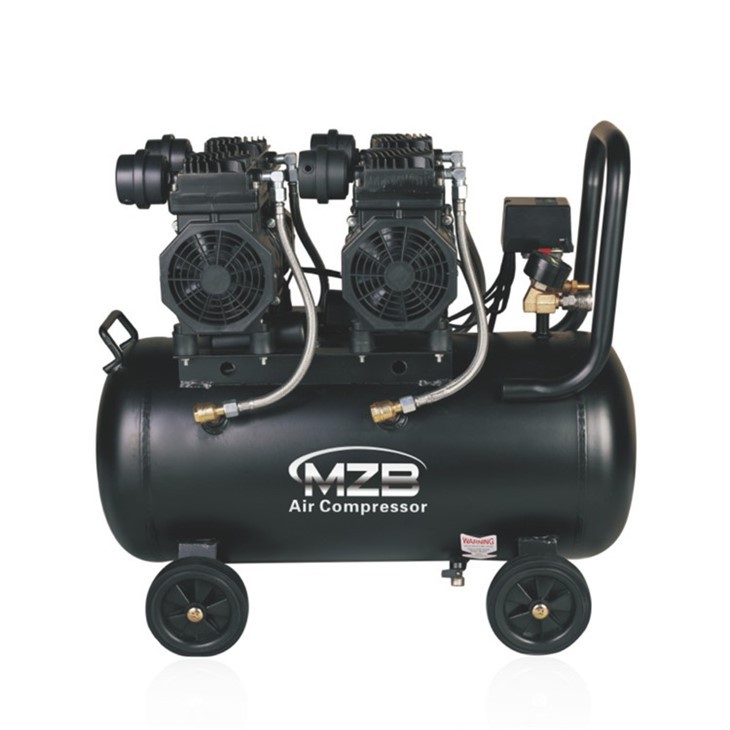
Oil Free Portable Air Compressor
The Oil Free Portable Air Compressor is great for on-the-go low-pressure tasks. Since it's portable, it might have a slightly different pressure adjustment mechanism. Some portable compressors have a simple dial that you can turn to set the pressure. Make sure you read the user manual carefully to understand how to adjust the pressure correctly.
Medical Oil Free Air Compressor
The Medical Oil Free Air Compressor is used in sensitive medical environments, so accuracy and reliability are crucial. When adjusting the pressure for medical applications, follow the manufacturer's guidelines closely. These compressors often have strict pressure requirements to ensure the safety and effectiveness of the medical equipment they're powering.
Maintenance Tips for Low-Pressure Operation
Once you've adjusted your oilless air compressor for low-pressure applications, it's important to keep it well-maintained. Here are some tips:
- Regularly check the air filter: A dirty air filter can restrict airflow and cause the compressor to work harder. Replace the air filter according to the manufacturer's recommendations.
- Inspect the belts and hoses: Make sure the belts are properly tensioned and the hoses are in good condition. Replace any worn or damaged parts.
- Drain the moisture: Over time, moisture can build up in the compressor tank. Drain the moisture regularly to prevent corrosion and damage to the compressor.
Conclusion
Adjusting your oilless air compressor for low-pressure applications is not as complicated as it might seem. By following the steps outlined in this blog, you can ensure that your compressor is running efficiently and safely. Whether you're using a 8 Bar High Pressure Oil Free Air Compressor, an Oil Free Portable Air Compressor, or a Medical Oil Free Air Compressor, getting the right pressure adjustment is key to getting the most out of your machine.
If you're in the market for an oilless air compressor or have any questions about adjusting or maintaining your existing one, don't hesitate to reach out. We're here to help you find the perfect solution for your low-pressure needs. Let's start a conversation and see how we can work together!
References
- Manufacturer's manuals for oilless air compressors
- Industry standards for low-pressure air compressor applications