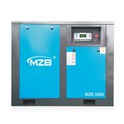

Hey there! As a supplier of Vertical Tank Air Compressors, I've seen all sorts of models out there. And let me tell you, comparing different models can be a real head - scratcher if you don't know what you're looking for. In this blog, I'll share some tips on how to compare different models of vertical tank air compressors.
1. Performance Specs
The first thing you gotta look at are the performance specifications. This includes things like the horsepower (HP), cubic feet per minute (CFM), and pounds per square inch (PSI).
-
Horsepower (HP): It's a measure of the motor's power. A higher HP generally means the compressor can handle more demanding tasks. For light - duty jobs like inflating tires or powering small pneumatic tools, a 1 - 2 HP compressor might be enough. But if you're looking to run heavy - duty tools like sandblasters or large impact wrenches, you'll need a compressor with 5 HP or more.
-
Cubic Feet per Minute (CFM): CFM tells you how much air the compressor can deliver. Different tools require different CFM ratings. For example, a nail gun might need around 1 - 2 CFM, while a paint sprayer could need 4 - 6 CFM. Make sure the compressor you choose can supply enough CFM for the tools you plan to use. You can check the tool's manual for the required CFM.
-
Pounds per Square Inch (PSI): PSI is the pressure at which the air is delivered. Most pneumatic tools work well within a range of 70 - 120 PSI. Some specialized tools might need higher PSI. Check the PSI requirements of your tools and make sure the compressor can meet them.
2. Tank Size
The size of the vertical tank matters a lot. A larger tank can store more air, which means the compressor doesn't have to run as often. This can lead to less wear and tear on the motor and a longer lifespan for the compressor.
If you have tasks that require a continuous supply of air, like sanding or painting for an extended period, a larger tank (say, 20 - 60 gallons) is a good choice. On the other hand, if you only have occasional, short - term jobs, a smaller tank (5 - 10 gallons) might be sufficient.
3. Drive Type
There are two main drive types for vertical tank air compressors: belt - driven and direct - driven.
-
Belt - Driven: Belt - driven compressors are generally more durable and quieter. The belt helps to absorb some of the vibrations, which reduces noise and stress on the motor. They're also easier to maintain because you can replace the belt if it wears out. However, they're usually more expensive than direct - driven compressors.
-
Direct - Driven: Direct - driven compressors are more compact and less expensive. They have fewer moving parts, which means there's less to go wrong. But they can be noisier and may not last as long as belt - driven compressors. If you're on a budget and don't mind a bit of noise, a Direct Driven Vertical Tank Air Compressor might be a good option for you.
4. Efficiency
Efficiency is a big deal when it comes to air compressors. An efficient compressor will use less energy, which can save you money in the long run.


Look for compressors with features like energy - saving motors or variable - speed drives. These features allow the compressor to adjust its speed and power consumption based on the demand. For an Efficient Vertical Tank Air Compressor, you can check out our website.
5. Noise Level
If you're going to be using the compressor in a residential area or a small workshop, noise can be a major concern.
Belt - driven compressors are usually quieter than direct - driven ones. Some compressors also come with noise - reducing features like sound - insulated enclosures. Check the decibel (dB) rating of the compressor before you buy it. A compressor with a rating of 70 dB or less is considered relatively quiet.
6. Build Quality and Durability
You want a compressor that's built to last. Look for compressors made from high - quality materials like cast iron or steel. These materials are more durable and can withstand the wear and tear of regular use.
Check the construction of the compressor, including the frame, the motor, and the pump. A well - built compressor will have a sturdy frame to support the components and prevent vibrations. The motor should be reliable and have good heat dissipation. The pump should be made from high - quality materials and have a long lifespan.
7. Brand and Warranty
The brand of the compressor can say a lot about its quality. Well - known brands often have a reputation for producing reliable and high - quality products. They also usually offer better customer support and after - sales service.
Make sure to check the warranty offered by the manufacturer. A longer warranty period indicates that the manufacturer has confidence in their product. Look for a warranty that covers both parts and labor for at least a year.
8. Price
Of course, price is an important factor. You want to get the best value for your money. Compare the prices of different models based on their features and performance.
Don't just go for the cheapest option, though. A low - cost compressor might not have the features or durability you need. On the other hand, an expensive compressor might have features you don't really need. Find a balance between price and performance.
Conclusion
Comparing different models of vertical tank air compressors can be a complex task, but by considering the factors above, you can make an informed decision. Whether you're a DIY enthusiast or a professional contractor, choosing the right compressor is crucial for getting the job done efficiently.
If you're interested in our vertical tank air compressors or have any questions, feel free to reach out to us. We're here to help you find the perfect compressor for your needs. Let's start a conversation about your requirements and see how we can assist you in your procurement process.
References
- Compressed Air and Gas Institute (CAGI) standards and guidelines.
- Manufacturer's product manuals and specifications.