

Hey there! As a supplier of motors for air compressors, I've seen firsthand how crucial it is to have a motor with high power density. A motor with high power density can deliver more power in a smaller and lighter package, which is super important for air compressors. It can lead to more compact and efficient air compressor designs, saving space and reducing costs. So, in this blog, I'm gonna share some tips on how to improve the power density of a motor for an air compressor.
1. Optimize the Motor Design
The first step in improving power density is to optimize the motor design. This involves a few key aspects.
Magnetic Circuit Design
The magnetic circuit is the heart of the motor. By using high - performance magnetic materials, we can enhance the magnetic field strength. For example, rare - earth magnets like neodymium - iron - boron (NdFeB) have excellent magnetic properties. They can produce a stronger magnetic field compared to traditional ferrite magnets. This stronger magnetic field allows the motor to generate more torque and power, thus increasing the power density.
When designing the magnetic circuit, we also need to pay attention to the shape and size of the magnetic core. A well - designed core can reduce magnetic leakage and improve the efficiency of the magnetic field utilization. We can use computer - aided design (CAD) software to simulate different core designs and select the one that offers the best performance.
Winding Design
The winding design also plays a vital role. Using a high - conductivity copper wire can reduce the resistance of the winding. Lower resistance means less power loss in the form of heat, which is a win - win situation. We can also increase the number of turns in the winding to enhance the magnetic field generated by the current flowing through it. However, we need to balance this with the space available in the motor.
Another option is to use a multi - layer winding design. This can increase the packing factor of the winding, which is the ratio of the conductor area to the available slot area. A higher packing factor means more conductors can be placed in the same space, resulting in more power output.
2. Improve Cooling Systems
Overheating is one of the main factors that limit the power density of a motor. If a motor gets too hot, its performance will degrade, and it may even get damaged. So, having an effective cooling system is essential.
Air Cooling
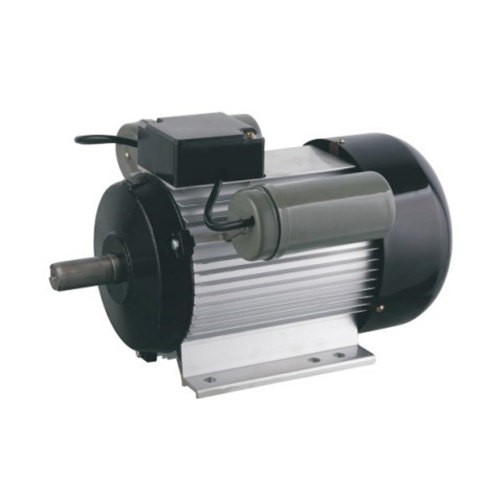
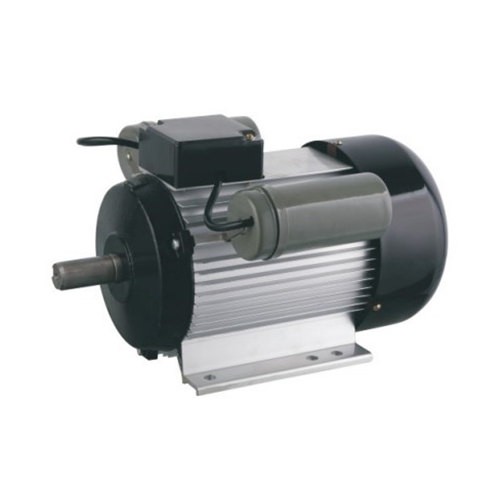
Air cooling is a common and cost - effective method. We can install fans on the motor to increase the airflow around it. The fans can be either internal or external. Internal fans are usually mounted on the motor shaft and rotate with it, while external fans are separate units.
To improve the efficiency of air cooling, we can design the motor casing with fins. These fins increase the surface area of the motor, allowing more heat to be dissipated into the air. The shape and arrangement of the fins also matter. For example, using a pin - fin design can provide a larger surface area compared to a straight - fin design.
Liquid Cooling
For motors that require even better cooling performance, liquid cooling is a great option. We can use a coolant, such as water or a special coolant mixture, to absorb the heat from the motor. The coolant is circulated through channels in the motor casing or around the windings.
Liquid cooling can remove heat more efficiently than air cooling because liquids have a higher specific heat capacity. This means they can absorb more heat per unit mass. However, liquid cooling systems are more complex and expensive to install and maintain.
3. Use Advanced Control Strategies
Advanced control strategies can also help improve the power density of a motor.
Variable Frequency Drive (VFD)
A variable frequency drive is a device that can adjust the frequency and voltage supplied to the motor. By changing the frequency, we can control the speed of the motor. This allows the motor to operate at its optimal speed and load conditions, which can significantly improve its efficiency.
For example, when the air compressor doesn't need to run at full speed, the VFD can reduce the frequency and voltage supplied to the motor, reducing its power consumption. When more power is needed, the VFD can increase the frequency and voltage to meet the demand. This not only saves energy but also allows the motor to deliver more power when required, effectively increasing the power density.
Sensor - based Control
Using sensors to monitor the motor's operating conditions, such as temperature, current, and speed, can help us optimize its performance. For example, if the temperature sensor detects that the motor is getting too hot, the control system can adjust the power output or activate the cooling system to prevent overheating.
We can also use sensors to detect the load on the motor and adjust the control parameters accordingly. This ensures that the motor is always operating at its most efficient point, increasing the power density.
4. Select the Right Motor Type
Different types of motors have different power density characteristics. As a supplier, we offer a variety of motors for air compressors, including Electric Motor for Air Compressor, Single Phase Motor for Air Compressor, and Three Phase Motor for Screw Air Compressor.
Permanent Magnet Synchronous Motors (PMSM)
Permanent magnet synchronous motors have high power density due to the use of permanent magnets. These motors can generate high torque and power with a relatively small size. They also have high efficiency, which is an added bonus. PMSMs are suitable for applications where high power density and efficiency are required, such as in industrial air compressors.
Induction Motors
Induction motors are more common and cost - effective. They are reliable and easy to maintain. However, their power density is generally lower than that of PMSMs. But with proper design and control, we can still improve their power density to meet the requirements of many air compressor applications.
5. Reduce Mechanical Losses
Mechanical losses in a motor, such as friction and windage losses, can also affect the power density.
Bearing Selection
Using high - quality bearings can reduce friction losses. Bearings with low friction coefficients can minimize the energy wasted in the form of heat due to friction. We should also ensure that the bearings are properly lubricated to further reduce friction.
Rotor Design
The design of the rotor can also impact the windage losses. A smooth and aerodynamic rotor design can reduce the air resistance as the rotor rotates. This can save energy and increase the power density of the motor.
In conclusion, improving the power density of a motor for an air compressor involves a combination of optimizing the motor design, improving the cooling system, using advanced control strategies, selecting the right motor type, and reducing mechanical losses. As a supplier of motors for air compressors, we are constantly working on these aspects to provide our customers with motors that offer high power density and excellent performance.
If you're in the market for a motor for your air compressor and want to learn more about how we can help you improve the power density of your motor, feel free to reach out to us. We'd be more than happy to have a chat with you and discuss your specific needs. Let's work together to find the best motor solution for your air compressor!
References
- Chapman, S. J. (2012). Electric Machinery Fundamentals. McGraw - Hill Education.
- Fitzgerald, A. E., Kingsley, C., & Umans, S. D. (2003). Electric Machinery. McGraw - Hill Education.
- Nasar, S. A., & Boldea, I. (1997). Electric Motor Drives: Modeling, Analysis, and Control. CRC Press.