


When it comes to air compressors, the electric motor is the heart of the system, driving the compression process and ensuring efficient operation. As a leading supplier of Electric Motor for Air Compressor, I understand the importance of accurately measuring the performance of these motors. In this blog post, I'll share some key methods and metrics to help you evaluate the performance of an electric motor for an air compressor.
Understanding the Basics of Electric Motors in Air Compressors
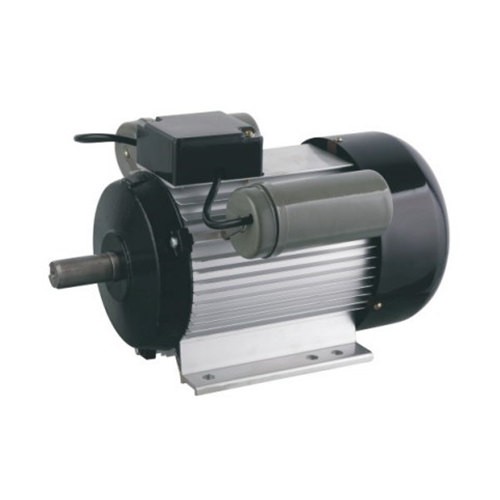
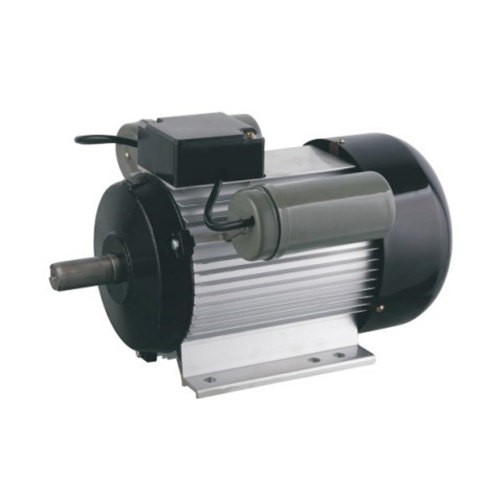
Before delving into performance measurement, it's essential to understand the role of electric motors in air compressors. Electric motors convert electrical energy into mechanical energy, which is then used to drive the compressor pump. There are two main types of electric motors commonly used in air compressors: Single Phase Motor for Air Compressor and Three Phase Motor for Screw Air Compressor.
Single-phase motors are typically used in smaller air compressors and are suitable for residential and light commercial applications. They are relatively simple and cost-effective but may have limited power output. On the other hand, three-phase motors are more commonly used in larger industrial air compressors. They offer higher efficiency, smoother operation, and greater power capacity, making them ideal for heavy-duty applications.
Key Performance Metrics
To accurately measure the performance of an electric motor for an air compressor, several key metrics need to be considered. These metrics provide valuable insights into the motor's efficiency, power consumption, and overall reliability.
1. Power Output
Power output is one of the most critical performance metrics for an electric motor. It refers to the amount of mechanical power the motor can deliver to the compressor pump. Power output is typically measured in horsepower (HP) or kilowatts (kW).
To calculate the power output of an electric motor, you can use the following formula:
Power (kW) = Voltage (V) x Current (A) x Power Factor / 1000
The power factor is a measure of how effectively the motor converts electrical power into mechanical power. A higher power factor indicates better efficiency.
2. Efficiency
Efficiency is another crucial metric that measures how effectively the motor converts electrical energy into mechanical energy. It is expressed as a percentage and represents the ratio of the motor's output power to its input power.
Efficiency (%) = (Output Power / Input Power) x 100
A more efficient motor will consume less electrical energy to produce the same amount of mechanical power, resulting in lower operating costs and reduced energy consumption.
3. Torque
Torque is the rotational force produced by the motor and is essential for starting and driving the compressor pump. It is typically measured in pound-feet (lb-ft) or Newton-meters (N-m).
The torque requirements of an air compressor motor depend on various factors, such as the compressor's size, type, and operating conditions. A motor with sufficient torque is necessary to ensure smooth and reliable operation, especially during startup and high-load conditions.
4. Speed
The speed of an electric motor is measured in revolutions per minute (RPM) and determines how fast the compressor pump operates. The speed of the motor should be carefully selected to match the requirements of the air compressor.
Most air compressor motors operate at a constant speed, which is determined by the motor's design and the frequency of the electrical supply. However, some modern motors may feature variable speed drives (VSDs), which allow for precise control of the motor's speed and power output, resulting in improved efficiency and energy savings.
5. Temperature Rise
Temperature rise is an important indicator of the motor's thermal performance. It refers to the increase in the motor's temperature above the ambient temperature during operation.
Excessive temperature rise can lead to premature motor failure, reduced efficiency, and increased energy consumption. Therefore, it is essential to monitor the motor's temperature and ensure that it operates within the recommended temperature range.
6. Power Factor
As mentioned earlier, the power factor is a measure of how effectively the motor uses electrical power. A low power factor can result in increased energy consumption and higher electricity bills.
Most modern electric motors are designed to have a high power factor, typically above 0.9. However, it is still important to measure the power factor and take steps to improve it if necessary.
Measurement Methods
Now that we've discussed the key performance metrics, let's explore some common methods for measuring the performance of an electric motor for an air compressor.
1. Direct Measurement
Direct measurement involves using specialized instruments to measure the motor's electrical parameters, such as voltage, current, power, and power factor. These measurements can be taken using a multimeter, power analyzer, or other electrical testing equipment.
To measure the power output of the motor, you can use a dynamometer, which is a device that measures the torque and speed of the motor and calculates the power output based on these measurements.
2. Indirect Measurement
Indirect measurement involves measuring other parameters, such as the compressor's air flow rate, pressure, and temperature, and using these measurements to calculate the motor's performance.
For example, you can measure the air flow rate and pressure of the compressor using a flow meter and a pressure gauge, respectively. By knowing the compressor's efficiency and the required power to compress the air, you can estimate the motor's power output and efficiency.
3. Monitoring and Data Logging
Monitoring and data logging involve continuously monitoring the motor's performance over time and recording the data for analysis. This can be done using sensors and data loggers, which can be installed on the motor or the air compressor system.
By analyzing the data, you can identify trends, detect potential problems, and make informed decisions about maintenance and optimization.
Importance of Performance Measurement
Accurately measuring the performance of an electric motor for an air compressor is essential for several reasons:
1. Energy Efficiency
By measuring the motor's efficiency and power consumption, you can identify opportunities to improve energy efficiency and reduce operating costs. This can include upgrading to a more efficient motor, implementing energy-saving measures, or optimizing the motor's operation.
2. Reliability and Maintenance
Monitoring the motor's performance can help you detect potential problems early and take proactive measures to prevent breakdowns and reduce maintenance costs. This can include monitoring the motor's temperature, vibration, and other parameters and performing regular maintenance and inspections.
3. Compliance
In some industries, there may be regulatory requirements or standards that specify the minimum performance requirements for electric motors. By measuring the motor's performance, you can ensure that it complies with these requirements and avoid potential penalties or fines.
Conclusion
In conclusion, measuring the performance of an electric motor for an air compressor is crucial for ensuring efficient operation, reducing energy consumption, and maximizing the motor's lifespan. By understanding the key performance metrics, using appropriate measurement methods, and monitoring the motor's performance over time, you can make informed decisions about motor selection, maintenance, and optimization.
As a trusted supplier of Electric Motor for Air Compressor, we are committed to providing high-quality motors that meet the highest standards of performance and reliability. If you have any questions or need assistance with measuring the performance of your electric motor, or if you are interested in purchasing a new motor for your air compressor, please don't hesitate to contact us. We look forward to working with you to find the best solution for your needs.
References
- Electric Motors and Drives: Fundamentals, Types, and Applications, Fourth Edition by Austin Hughes and Bill Drury
- Handbook of Electric Motors by Irving L. Kosow
- IEEE Standard 112 - Test Procedures for Polyphase Induction Motors and Generators


