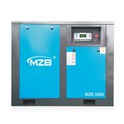

Hey there! As a supplier of Direct Driven Air Compressors, I've seen my fair share of air compressor issues, and one of the most common problems is air leakage. It can be frustrating, but don't worry, I'm here to walk you through how to fix a direct driven air compressor that leaks air.
Step 1: Identify the Leak
The first thing you need to do is figure out where the air is leaking from. There are a few common places where leaks can occur:
- Hoses and Fittings: Check all the hoses and fittings connected to the compressor. Look for any visible cracks, holes, or loose connections. You can use a soapy water solution to help identify leaks. Just spray the solution on the hoses and fittings, and if you see bubbles forming, that's a sign of a leak.
- Valves: The intake and discharge valves can also be a source of leaks. Inspect the valves for any damage or wear. If you notice any issues, you may need to replace the valves.
- Gaskets and Seals: Gaskets and seals are used to prevent air from leaking out of the compressor. Over time, these gaskets and seals can wear out or become damaged. Check the gaskets and seals around the compressor head, tank, and other components. If you find any damaged gaskets or seals, replace them.
- Tank: The air compressor tank can also develop leaks. Look for any signs of corrosion, dents, or cracks on the tank. If you find a leak in the tank, it's important to address it immediately. Depending on the severity of the leak, you may be able to repair the tank or you may need to replace it.
Step 2: Gather the Necessary Tools and Parts
Once you've identified the source of the leak, you'll need to gather the necessary tools and parts to fix it. Here are some common tools and parts you may need:


- Wrenches: You'll need a set of wrenches to loosen and tighten the nuts and bolts on the compressor.
- Screwdrivers: A set of screwdrivers will come in handy for removing and installing covers and other components.
- Replacement Parts: Depending on the source of the leak, you may need to replace some parts. This could include hoses, fittings, valves, gaskets, seals, or even the tank. Make sure you have the correct replacement parts on hand before you start the repair.
Step 3: Fix the Leak
Now that you have the necessary tools and parts, it's time to fix the leak. Here are some general steps to follow:
- Turn off the Compressor: Before you start working on the compressor, make sure it's turned off and unplugged. This will prevent any accidents or injuries.
- Release the Pressure: If there's any pressure in the compressor tank, you'll need to release it before you start working on the compressor. You can do this by opening the drain valve at the bottom of the tank.
- Remove the Damaged Parts: Use the wrenches and screwdrivers to remove the damaged parts. Be careful not to damage any other components while you're doing this.
- Install the Replacement Parts: Once you've removed the damaged parts, install the replacement parts. Make sure you follow the manufacturer's instructions when installing the replacement parts.
- Tighten the Nuts and Bolts: Use the wrenches to tighten the nuts and bolts on the compressor. Make sure you don't overtighten the nuts and bolts, as this can damage the compressor.
- Test the Compressor: Once you've installed the replacement parts and tightened the nuts and bolts, it's time to test the compressor. Plug in the compressor and turn it on. Check for any leaks by spraying the soapy water solution on the hoses, fittings, valves, gaskets, and seals. If you don't see any bubbles forming, the leak has been fixed.
Step 4: Prevent Future Leaks
To prevent future leaks, it's important to take good care of your air compressor. Here are some tips to help you keep your air compressor in good condition:
- Regular Maintenance: Perform regular maintenance on your air compressor, including changing the oil, filters, and gaskets. This will help keep the compressor running smoothly and prevent leaks.
- Check the Hoses and Fittings: Regularly inspect the hoses and fittings for any signs of wear or damage. Replace any damaged hoses or fittings as soon as possible.
- Keep the Compressor Clean: Keep the compressor clean and free of debris. This will help prevent corrosion and other damage to the compressor.
- Use the Right Oil: Make sure you use the right type of oil for your air compressor. Using the wrong type of oil can cause damage to the compressor and lead to leaks.
Conclusion
Fixing a direct driven air compressor that leaks air isn't as difficult as it may seem. By following these steps, you can identify the source of the leak, gather the necessary tools and parts, fix the leak, and prevent future leaks. If you're not comfortable working on your air compressor, you can always hire a professional to do the job for you.
If you're in the market for a new direct driven air compressor, be sure to check out our Portable Direct Driven Air Compressor and Efficient Direct Driven Air Compressor. We also offer an Air Compressor With Lubricating Oil for those who need it.
If you have any questions or need further assistance, please don't hesitate to contact us. We're here to help you find the right air compressor for your needs and provide you with the support you need to keep it running smoothly.
References
- Compressor Handbook, various editions
- Manufacturer's manuals for direct driven air compressors