


As a supplier of C Type Piston Air Compressors, I understand the importance of safe operation. These compressors are widely used in various industries due to their reliability and efficiency. However, improper operation can lead to serious accidents and equipment damage. In this blog, I will share some essential guidelines on how to operate a C Type Piston Air Compressor safely.
Pre - operation Checks
Before starting the C Type Piston Air Compressor, a series of pre - operation checks should be carried out. First, visually inspect the compressor for any signs of physical damage such as cracks in the housing, loose fittings, or damaged hoses. Any damaged components should be replaced immediately to prevent potential leaks or malfunctions.
Check the oil level in the compressor. The oil is crucial for lubricating the moving parts and reducing friction. Refer to the manufacturer's manual to determine the correct oil level. If the oil is low, add the recommended type of oil. Also, examine the oil for any signs of contamination, such as water or debris. Contaminated oil can cause premature wear and tear of the compressor's internal components.
Inspect the air intake filter. A clogged air intake filter restricts the airflow into the compressor, which can lead to overheating and reduced efficiency. Clean or replace the filter if it is dirty. You can find more information about our C Type Piston Air Compressor and its maintenance requirements on our website.
Ensure that all electrical connections are secure. Loose electrical connections can cause short - circuits or electrical shocks. Check the power cord for any signs of damage, and make sure the compressor is properly grounded. This is especially important to prevent electrical hazards.
Starting the Compressor
Once the pre - operation checks are completed, it's time to start the C Type Piston Air Compressor. First, make sure that all valves on the compressor are in the correct position. The intake valve should be open to allow air to enter the compressor, and the discharge valve should be closed until the compressor reaches the appropriate pressure.
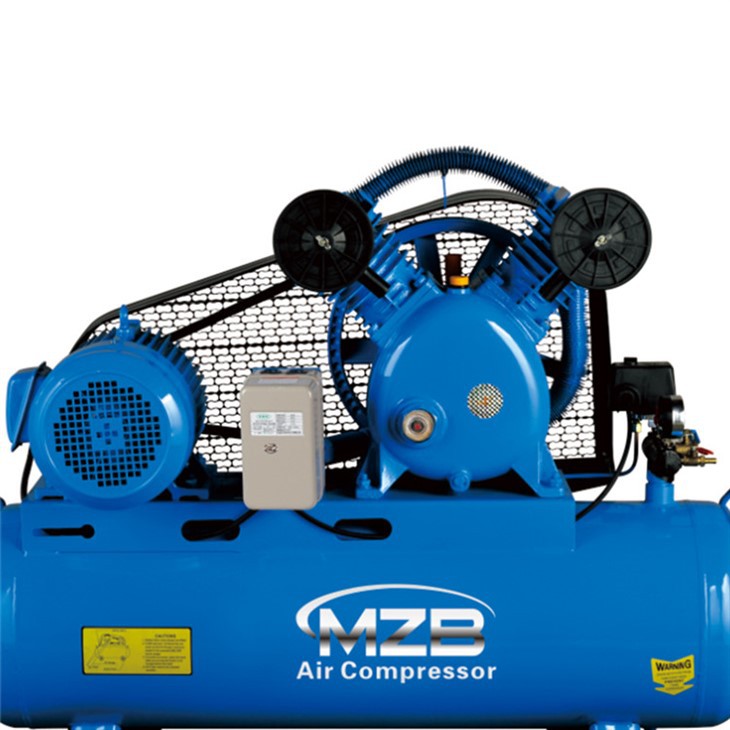

Turn on the power switch. The compressor will start to run, and you should hear the normal sound of the motor and the pistons moving. Monitor the pressure gauge on the compressor. As the compressor runs, the pressure will gradually increase. Do not leave the compressor unattended during the start - up process.
If the compressor fails to start or makes unusual noises, immediately turn off the power and check for problems. It could be due to a variety of issues such as a blown fuse, a malfunctioning motor, or a blocked air passage. Refer to the troubleshooting section of the manufacturer's manual or contact our technical support team for assistance.
During Operation
During the operation of the C Type Piston Air Compressor, continuous monitoring is essential. Keep an eye on the pressure gauge. Do not allow the pressure to exceed the maximum rated pressure of the compressor. Over - pressurization can cause the compressor to malfunction, damage the components, or even lead to an explosion.
Regularly check the temperature of the compressor. Overheating is a common problem that can be caused by factors such as a blocked air intake, insufficient lubrication, or a malfunctioning cooling system. If the compressor becomes too hot, shut it down immediately and allow it to cool down. Check for the root cause of the overheating and take appropriate measures to fix it.
Listen for any abnormal noises coming from the compressor. Unusual rattling, knocking, or hissing sounds could indicate a problem with the internal components. If you notice any such noises, stop the compressor and inspect it.
Ensure that the compressor is properly ventilated. Adequate ventilation helps to dissipate heat and prevent the build - up of harmful gases. Do not place the compressor in a confined space without proper ventilation.
Shutting Down the Compressor
When you are finished using the C Type Piston Air Compressor, it is important to shut it down properly. First, close the intake valve to stop the flow of air into the compressor. Then, open the discharge valve slowly to release the compressed air from the system. This will reduce the pressure inside the compressor.
Turn off the power switch. After the compressor has stopped running, wait for a few minutes to allow the internal components to cool down. Drain any condensed water from the compressor's air tank. Condensed water can cause corrosion inside the tank, which can reduce the lifespan of the compressor.
Maintenance and Safety Precautions
Regular maintenance is key to the safe and efficient operation of the C Type Piston Air Compressor. Follow the maintenance schedule recommended by the manufacturer. This includes changing the oil at regular intervals, replacing the air filters, and inspecting the belts and hoses.
Use only genuine replacement parts for the compressor. Non - genuine parts may not fit properly or meet the required quality standards, which can lead to safety issues. You can purchase high - quality replacement parts for our C Type Piston Air Compressor from our authorized dealers.
Train all operators on the proper use and safety procedures of the compressor. Make sure they understand the potential hazards associated with the compressor and how to avoid them. Provide safety training manuals and conduct regular safety drills.
Store the compressor in a dry and clean environment. Moisture and dirt can cause damage to the compressor's components. Cover the compressor when it is not in use to protect it from dust and debris.
Conclusion
Operating a C Type Piston Air Compressor safely requires careful pre - operation checks, proper start - up and shut - down procedures, continuous monitoring during operation, and regular maintenance. By following these guidelines, you can ensure the safe and efficient operation of your compressor, reduce the risk of accidents, and extend the lifespan of the equipment.
If you are interested in purchasing a C Type Piston Air Compressor or have any questions about its operation and maintenance, please feel free to contact us. We are committed to providing high - quality products and excellent customer service. Our team of experts is ready to assist you with all your air compressor needs.
References
- Manufacturer's Manual of C Type Piston Air Compressor
- Industry Standards for Air Compressor Safety


