


Operating the control panel of a gasoline engine air compressor is a crucial skill for users, whether they are professionals in industrial settings or DIY enthusiasts working on home projects. As a trusted supplier of Gasoline Powered Portable Air Compressor, I'm here to provide you with a comprehensive guide on how to operate the control panel of our gasoline engine air compressors effectively and safely.
Understanding the Components of the Control Panel
Before you start operating the control panel, it's essential to familiarize yourself with its various components. The control panel of our gasoline engine air compressors typically includes the following elements:
1. Start/Stop Switch
This is the most basic and important component of the control panel. The start/stop switch allows you to initiate and halt the operation of the gasoline engine and the air compressor. Usually, it is clearly labeled, with the "Start" position to begin the engine and the "Stop" position to shut it down.
2. Throttle Control
The throttle control is used to adjust the speed of the gasoline engine. By increasing the throttle, you can make the engine run faster, which in turn increases the air output of the compressor. Conversely, reducing the throttle slows down the engine and decreases the air output. This feature is useful when you need to adjust the air pressure and flow rate according to your specific application.
3. Pressure Gauge
The pressure gauge provides real - time information about the air pressure inside the compressor's tank. It is crucial to monitor the pressure gauge to ensure that the air pressure remains within the safe and recommended range. Over - pressurizing the tank can be dangerous and may lead to equipment failure or even explosion.
4. Pressure Relief Valve
The pressure relief valve is a safety device designed to prevent the tank from over - pressurizing. If the air pressure inside the tank exceeds the pre - set limit, the pressure relief valve will automatically open and release the excess air. This valve should be checked regularly to ensure it is functioning properly.
5. Oil Level Indicator
The oil level indicator shows the amount of oil in the gasoline engine. Adequate oil levels are essential for the smooth operation and longevity of the engine. Before starting the compressor, always check the oil level and add oil if necessary.

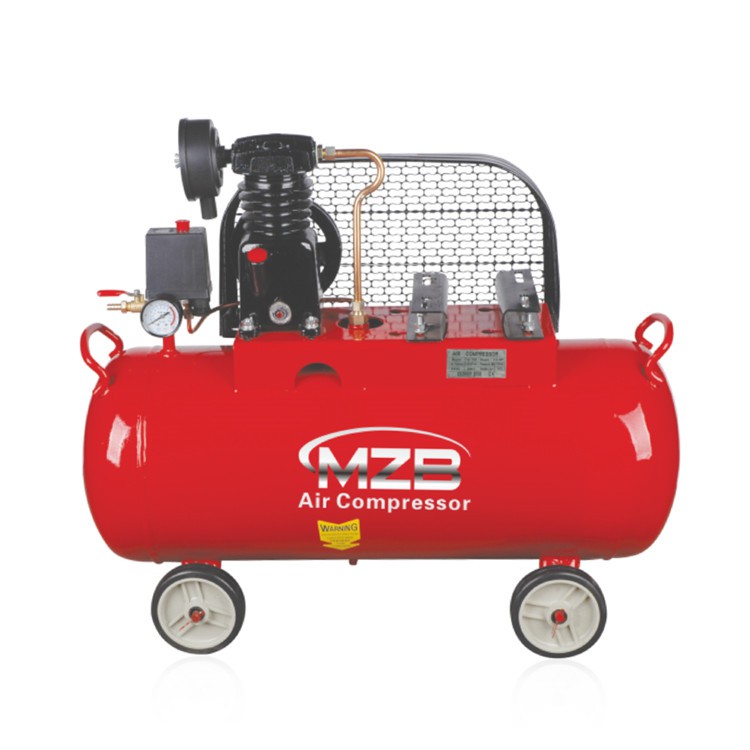
6. Fuel Gauge
The fuel gauge indicates the amount of gasoline in the engine's fuel tank. Running the engine out of fuel can cause damage, so it's important to keep an eye on the fuel level and refuel as needed.
Pre - operation Checks
Before operating the control panel and starting the air compressor, you must perform a series of pre - operation checks to ensure safety and optimal performance:
1. Visual Inspection
Inspect the compressor for any visible damage, such as cracks in the tank, loose connections, or frayed wires. Check the hoses and fittings for leaks or signs of wear. If you notice any issues, do not operate the compressor until the problems are resolved.
2. Oil Check
Locate the oil level indicator on the control panel or the engine. Remove the dipstick, wipe it clean, and then re - insert it. Pull the dipstick out again and check the oil level. The oil should be between the minimum and maximum marks on the dipstick. If the oil level is low, add the recommended type of oil.
3. Fuel Check
Check the fuel gauge to ensure there is enough gasoline in the tank. If the fuel level is low, refill the tank with fresh, clean gasoline. Make sure to follow the safety guidelines when refueling, such as turning off the engine and avoiding spills.
4. Air Filter Check
A clean air filter is essential for the proper operation of the gasoline engine. Check the air filter and clean or replace it if it is dirty or clogged. A dirty air filter can restrict airflow to the engine, reducing its performance and efficiency.
Starting the Compressor
Once you have completed the pre - operation checks, you can start the compressor using the control panel:
1. Set the Throttle
Turn the throttle control to the "Low" or "Idle" position. This setting allows the engine to start smoothly without overloading.
2. Turn on the Start/Stop Switch
Move the start/stop switch to the "Start" position. If the engine is cold, you may need to pull the starter cord several times until the engine starts. Some compressors are equipped with an electric starter, in which case you simply press the start button.
3. Adjust the Throttle
After the engine has started, gradually increase the throttle to the desired speed. Monitor the pressure gauge to ensure that the air pressure is building up steadily.
Operating the Compressor
During the operation of the compressor, you need to pay attention to the following points:
1. Monitor the Pressure Gauge
Keep an eye on the pressure gauge to ensure that the air pressure does not exceed the maximum allowable limit. If the pressure approaches the limit, you can reduce the throttle or turn off the compressor to prevent over - pressurization.
2. Check for Leaks
Regularly inspect the hoses, fittings, and connections for any signs of air leaks. A leak can reduce the efficiency of the compressor and waste energy. If you detect a leak, tighten the fittings or replace the damaged parts.
3. Listen for Unusual Noises
Pay attention to the sound of the engine and the compressor. Unusual noises, such as knocking, rattling, or hissing, may indicate a problem with the equipment. If you hear any abnormal noises, stop the compressor immediately and investigate the cause.
Stopping the Compressor
When you have finished using the compressor, follow these steps to stop it safely:
1. Reduce the Throttle
Gradually turn the throttle control to the "Low" or "Idle" position. This allows the engine to cool down gradually and prevents sudden shutdowns.
2. Turn off the Start/Stop Switch
Move the start/stop switch to the "Stop" position. This will shut down the gasoline engine and stop the operation of the compressor.
3. Release the Air Pressure
Open the drain valve on the compressor tank to release the remaining air pressure. This helps to prevent corrosion and extends the life of the tank.
Maintenance and Troubleshooting
Regular maintenance is essential to keep your gasoline engine air compressor in good working condition. Here are some maintenance tips:
1. Change the Oil Regularly
Follow the manufacturer's recommendations for oil change intervals. Regular oil changes help to lubricate the engine and prevent wear and tear.
2. Clean or Replace the Air Filter
Clean or replace the air filter as needed to ensure proper airflow to the engine.
3. Check the Spark Plug
Inspect the spark plug regularly and replace it if it is worn or dirty. A faulty spark plug can cause starting problems and poor engine performance.
If you encounter any problems with the control panel or the compressor, here are some common troubleshooting steps:
1. Engine Won't Start
Check the fuel level, oil level, and spark plug. Make sure the throttle is set correctly and the start/stop switch is in the "Start" position.
2. Low Air Pressure
Check for air leaks in the hoses and fittings. Make sure the throttle is set high enough to generate sufficient air pressure.
3. Over - pressurization
Check the pressure relief valve to ensure it is functioning properly. If the valve is stuck or damaged, replace it immediately.
Conclusion
Operating the control panel of a gasoline engine air compressor is not difficult if you understand the components and follow the proper procedures. As a supplier of Gasoline Powered Portable Air Compressor, we are committed to providing you with high - quality products and comprehensive technical support. If you have any questions or need further assistance in operating or maintaining your air compressor, please feel free to contact us for procurement and negotiation. We look forward to serving you and meeting your air compressor needs.
References
- Manufacturer's user manual for gasoline engine air compressors
- Industry standards and guidelines for air compressor operation and safety


