


Optimizing the energy consumption of a motor for an air compressor is a crucial aspect that not only helps in reducing operational costs but also contributes to environmental sustainability. As a supplier of motors for air compressors, I understand the significance of this issue and have gained extensive knowledge and experience in this field. In this blog, I will share some effective strategies to optimize the energy consumption of air compressor motors.
Understanding the Basics of Air Compressor Motors
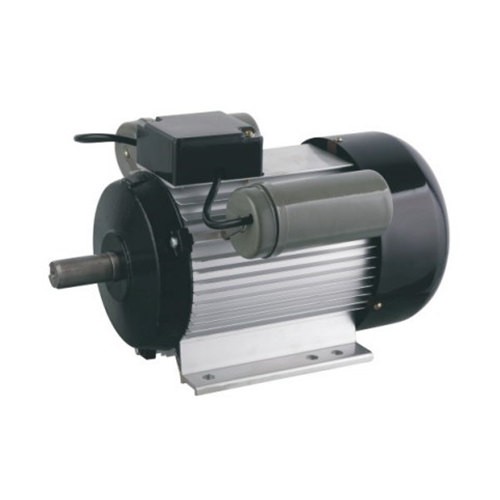
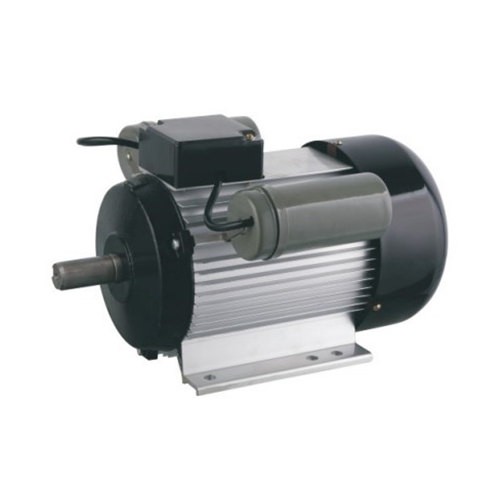
Before delving into the optimization strategies, it's essential to understand the different types of motors used in air compressors. We offer a variety of motors, including Three Phase Motor for Screw Air Compressor, Single Phase Motor for Air Compressor, and Electric Motor for Air Compressor. Each type has its own characteristics and is suitable for different applications.
Three-phase motors are commonly used in industrial air compressors due to their high efficiency, reliability, and ability to handle heavy loads. They are designed to operate on a three-phase power supply, which provides a more balanced and efficient power distribution compared to single-phase motors. Single-phase motors, on the other hand, are typically used in smaller air compressors for residential or light commercial applications. They are simpler in design and more affordable but may have lower efficiency and power output.
Electric motors are the most common type of motors used in air compressors. They convert electrical energy into mechanical energy to drive the compressor. The efficiency of an electric motor depends on several factors, including its design, size, and operating conditions.
Factors Affecting Energy Consumption
Several factors can affect the energy consumption of an air compressor motor. Understanding these factors is the first step in optimizing energy efficiency.
Motor Efficiency
The efficiency of the motor itself is a critical factor. High-efficiency motors are designed to convert a larger percentage of electrical energy into mechanical energy, resulting in less energy waste. When selecting a motor for an air compressor, it's important to choose a motor with a high efficiency rating. Look for motors that meet or exceed the industry standards for energy efficiency, such as the NEMA Premium efficiency standards in the United States.
Compressor Load
The load on the compressor also affects energy consumption. Air compressors often operate at varying loads depending on the demand for compressed air. When the compressor is operating at a low load, the motor may still consume a significant amount of energy. This is known as "idling" or "unloaded" operation. To reduce energy consumption during low-load periods, consider using a variable speed drive (VSD) or a multi-stage compressor.
System Pressure
The pressure at which the air compressor operates can also impact energy consumption. Higher system pressures require more energy to compress the air. Therefore, it's important to set the system pressure at the lowest level that still meets the requirements of the application. Avoid over-pressurizing the system, as this can lead to unnecessary energy waste.
Leakage
Air leaks in the compressed air system can cause a significant loss of energy. Even small leaks can add up over time and result in increased energy consumption. Regularly inspect the compressed air system for leaks and repair them promptly. Use leak detection tools, such as ultrasonic leak detectors, to identify and locate leaks.
Maintenance
Proper maintenance of the air compressor and its motor is essential for optimal energy efficiency. Regular maintenance tasks include lubricating the motor, cleaning the air filters, and checking the belt tension. A well-maintained motor will operate more efficiently and have a longer lifespan.
Optimization Strategies
Now that we understand the factors affecting energy consumption, let's explore some strategies to optimize the energy consumption of an air compressor motor.
Select the Right Motor
Choosing the right motor for the air compressor is crucial. Consider the size, type, and efficiency of the motor based on the specific requirements of the application. As mentioned earlier, high-efficiency motors can significantly reduce energy consumption. When selecting a motor, look for motors with a high power factor and a low slip. A high power factor indicates that the motor is using electrical energy more efficiently, while a low slip means that the motor is operating closer to its synchronous speed, resulting in less energy loss.
Use a Variable Speed Drive (VSD)
A variable speed drive (VSD) is a device that can adjust the speed of the motor based on the demand for compressed air. By varying the motor speed, the VSD can match the compressor output to the actual demand, reducing energy consumption during low-load periods. VSDs are particularly effective in applications where the compressed air demand varies frequently. They can also help to reduce wear and tear on the compressor and motor, resulting in longer equipment lifespan.
Implement a Compressor Control System
A compressor control system can help to optimize the operation of the air compressor and reduce energy consumption. There are several types of compressor control systems available, including start/stop control, load/unload control, and modulation control. Start/stop control simply turns the compressor on and off based on the pressure in the air tank. Load/unload control allows the compressor to run continuously but unloads the compressor when the demand for compressed air is low. Modulation control adjusts the compressor output continuously to match the demand.
Optimize the Compressed Air System
In addition to optimizing the motor and compressor, it's important to optimize the entire compressed air system. This includes reducing air leaks, improving system layout, and using energy-efficient accessories. As mentioned earlier, air leaks can cause a significant loss of energy, so it's important to repair them promptly. Improving the system layout can reduce pressure drops and improve the overall efficiency of the system. Using energy-efficient accessories, such as air dryers and filters, can also help to reduce energy consumption.
Monitor and Analyze Energy Consumption
Monitoring and analyzing the energy consumption of the air compressor motor is essential for identifying areas for improvement. Use energy monitoring devices to track the energy consumption of the motor and the entire compressed air system. Analyze the data to identify trends and patterns, such as peak demand periods and energy-intensive operations. Based on the analysis, implement targeted energy-saving measures.
Conclusion
Optimizing the energy consumption of an air compressor motor is a complex but achievable goal. By understanding the factors affecting energy consumption and implementing the strategies outlined in this blog, you can significantly reduce the energy consumption of your air compressor system. As a supplier of motors for air compressors, we are committed to providing our customers with high-quality, energy-efficient motors and solutions. If you have any questions or need assistance in optimizing the energy consumption of your air compressor motor, please feel free to contact us for a consultation. We look forward to working with you to achieve your energy-saving goals.
References
- "Energy Efficiency in Compressed Air Systems," Compressed Air and Gas Institute.
- "Motor Efficiency and Power Factor," National Electrical Manufacturers Association (NEMA).
- "Variable Speed Drives for Compressors," International Energy Agency (IEA).


