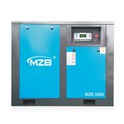

As a supplier of Quiet Dental Air Compressors, I've often been asked about the various components of these essential machines, and one question that comes up frequently is: What is the purpose of the safety valve in a quiet dental air compressor? In this blog post, I'll delve into the importance of safety valves in these compressors and why they are a critical feature for both the equipment and the dental practice.
Understanding the Basics of a Dental Air Compressor
Before we discuss the safety valve, let's briefly understand how a dental air compressor works. A dental air compressor is a device that pressurizes air to be used in dental tools such as drills, air syringes, and other pneumatic instruments. These compressors need to maintain a consistent and reliable supply of compressed air at the right pressure to ensure the proper functioning of dental equipment.
Quiet dental air compressors, in particular, are designed to operate with minimal noise, which is crucial in a dental setting where patients need to feel comfortable. They often use advanced technology and insulation to reduce the sound levels produced during operation.
The Role of the Safety Valve
The safety valve in a dental air compressor is a critical component that serves as a fail - safe mechanism. Its primary purpose is to protect the compressor and the entire dental air system from over - pressurization.
Over - pressurization Risks
When a dental air compressor is operating, there is a risk that the pressure inside the compressor tank can exceed the recommended levels. This can happen due to various reasons, such as a malfunction in the pressure control system, a blockage in the air outlet, or a problem with the compressor pump.
If the pressure inside the tank gets too high, it can lead to serious consequences. For example, it can cause damage to the compressor tank itself, leading to leaks or even a catastrophic failure. A ruptured compressor tank can be extremely dangerous, as it can release a large amount of compressed air and debris at high speed, potentially causing injury to dental staff and patients.
How the Safety Valve Works
The safety valve is designed to open automatically when the pressure inside the compressor tank reaches a pre - set limit. This limit is typically set by the manufacturer based on the maximum safe operating pressure of the compressor.


When the pressure exceeds the set limit, the safety valve opens, allowing the excess air to escape from the tank. This reduces the pressure inside the tank back to a safe level. Once the pressure drops below the set limit, the safety valve closes again, and the compressor can continue to operate normally.
For example, in our 8 Bar High Pressure Oil Free Air Compressor, the safety valve is carefully calibrated to open at the appropriate pressure to ensure the safety of the equipment and the users.
Types of Safety Valves
There are different types of safety valves used in dental air compressors, each with its own advantages and applications.
Spring - Loaded Safety Valves
Spring - loaded safety valves are the most common type used in dental air compressors. They consist of a valve disc that is held in place by a spring. When the pressure inside the tank exceeds the force exerted by the spring, the valve disc is pushed open, allowing the excess air to escape.
The advantage of spring - loaded safety valves is that they are relatively simple in design and easy to maintain. They can also be adjusted to set the opening pressure accurately.
Pilot - Operated Safety Valves
Pilot - operated safety valves are more complex but offer higher precision and reliability. They use a pilot valve to sense the pressure and control the opening and closing of the main valve.
These valves are often used in high - pressure applications or in compressors where a very accurate pressure control is required. Our 3 Cylinder Oil Free Air Compressor and 3 Cylinder Oil Free Air Compressor may use pilot - operated safety valves in some models to ensure optimal performance and safety.
Maintenance and Inspection of the Safety Valve
Regular maintenance and inspection of the safety valve are essential to ensure its proper functioning. Dental practices should follow the manufacturer's guidelines for maintenance, which typically include periodic checks of the valve's operation and calibration.
Visual Inspection
A visual inspection of the safety valve can reveal signs of damage or wear. Look for any signs of corrosion, leaks, or physical damage to the valve body or the valve disc. If any damage is detected, the valve should be replaced immediately.
Function Testing
Function testing of the safety valve should be performed at regular intervals. This can be done by slowly increasing the pressure inside the compressor tank until the safety valve opens. The opening pressure should be within the specified range. If the valve does not open at the correct pressure or if it fails to close properly after the pressure is reduced, it needs to be repaired or replaced.
Importance of Safety Valves for Dental Practices
For dental practices, having a properly functioning safety valve in their air compressors is not only a matter of safety but also of compliance. Many regulatory bodies and industry standards require dental equipment to meet certain safety requirements, including the use of reliable safety valves.
A dental practice that uses a compressor without a working safety valve is at risk of facing legal issues in case of an accident. Additionally, it can damage the reputation of the practice, as patients and staff will not feel safe if they know that the equipment is not properly protected.
Conclusion
In conclusion, the safety valve in a quiet dental air compressor is an essential component that plays a vital role in protecting the compressor, the dental air system, and the people using it. It serves as a crucial safeguard against over - pressurization, which can lead to serious damage and safety hazards.
As a supplier of Quiet Dental Air Compressors, we understand the importance of providing high - quality safety valves in our products. Our 8 Bar High Pressure Oil Free Air Compressor and 3 Cylinder Oil Free Air Compressor are designed with top - notch safety valves to ensure the safety and reliability of your dental air system.
If you are in the market for a new dental air compressor or need to upgrade your existing one, we encourage you to contact us for more information. Our team of experts can help you choose the right compressor for your dental practice and provide you with all the necessary support for installation, maintenance, and operation.
References
- ASME Boiler and Pressure Vessel Code
- Dental Equipment Manufacturer's Guides
- Industry Standards for Dental Air Compressors