


Hey there! As a supplier of Gasoline Engine Air Compressors, I've seen firsthand how humidity can wreak havoc on these machines. Moisture in the air can lead to all sorts of problems, from rust and corrosion to electrical issues and reduced performance. But don't worry, I'm here to share some tips on how to protect your gasoline engine air compressor from humidity damage.
Understanding the Impact of Humidity
Before we dive into the solutions, let's take a quick look at why humidity is such a big deal for air compressors. When the air is humid, it contains a lot of water vapor. This water vapor can condense inside the compressor, especially in areas where the temperature is lower. Over time, this condensed water can cause rust and corrosion on the metal parts of the compressor, such as the tank, valves, and pistons. Rust can weaken these parts, leading to leaks, reduced efficiency, and even complete failure.
In addition to rust, humidity can also cause electrical problems. Moisture can get into the electrical components of the compressor, such as the motor, switches, and wiring. This can lead to short circuits, electrical malfunctions, and even fires. Humidity can also affect the lubrication system of the compressor. Water can mix with the oil, reducing its effectiveness and causing increased wear and tear on the moving parts.
Tips for Protecting Your Compressor from Humidity
Now that we understand the problem, let's talk about some solutions. Here are some tips to help you protect your gasoline engine air compressor from humidity damage:

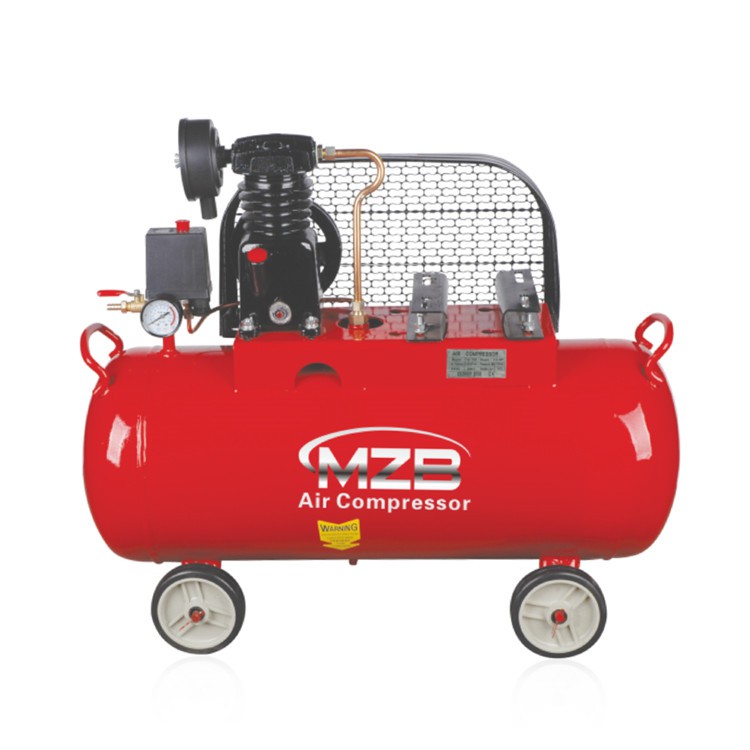
1. Store Your Compressor in a Dry Place
The first and most important step is to store your compressor in a dry place. If possible, keep it indoors in a climate-controlled environment. This will help to keep the humidity levels low and prevent moisture from condensing inside the compressor. If you don't have access to indoor storage, you can use a weatherproof cover to protect the compressor from the elements. Make sure the cover is breathable to allow air to circulate and prevent moisture from building up.
2. Use a Dehumidifier
If you're storing your compressor in an area with high humidity, consider using a dehumidifier. A dehumidifier will remove the excess moisture from the air, helping to keep the humidity levels low. This can be especially useful in basements, garages, or other areas where humidity tends to be higher. Make sure to place the dehumidifier near the compressor and run it regularly to keep the air dry.
3. Drain the Condensate Regularly
Most air compressors have a condensate drain valve that allows you to remove the condensed water from the tank. It's important to drain the condensate regularly to prevent it from building up and causing rust and corrosion. Check the manufacturer's instructions for the recommended frequency of draining. In general, it's a good idea to drain the condensate after each use or at least once a week if the compressor is used infrequently.
4. Keep the Compressor Clean
Regular cleaning is essential for maintaining the performance and longevity of your compressor. Make sure to clean the exterior of the compressor regularly to remove any dirt, dust, or debris. Use a soft cloth or brush to clean the surfaces, and avoid using abrasive cleaners that could damage the paint or finish. You should also clean the air intake filter regularly to prevent it from becoming clogged with dirt and debris. A clogged filter can reduce the airflow to the compressor, leading to increased wear and tear and reduced performance.
5. Use a Rust Inhibitor
Applying a rust inhibitor to the metal parts of the compressor can help to prevent rust and corrosion. There are many different types of rust inhibitors available on the market, so make sure to choose one that is specifically designed for use on air compressors. Follow the manufacturer's instructions for applying the rust inhibitor, and make sure to cover all the exposed metal surfaces.
6. Inspect the Compressor Regularly
Regular inspections are important for detecting any signs of humidity damage early on. Check the compressor for any signs of rust, corrosion, or water damage. Look for leaks around the valves, fittings, and hoses, and make sure the electrical connections are tight and free of moisture. If you notice any problems, make sure to address them immediately to prevent further damage.
Additional Considerations
In addition to the tips above, there are a few other things to keep in mind when it comes to protecting your gasoline engine air compressor from humidity damage:
1. Use the Right Oil
Using the right oil is essential for maintaining the performance and longevity of your compressor. Make sure to use an oil that is specifically designed for use on air compressors and that is suitable for the operating conditions. Check the manufacturer's instructions for the recommended oil type and viscosity, and make sure to change the oil regularly.
2. Follow the Manufacturer's Instructions
The manufacturer's instructions are your best source of information when it comes to operating and maintaining your compressor. Make sure to read the instructions carefully and follow them closely. This will help to ensure that you are using the compressor correctly and that you are taking the necessary steps to protect it from humidity damage.
3. Consider Upgrading Your Compressor
If you live in an area with high humidity or if you use your compressor in a particularly harsh environment, you may want to consider upgrading to a compressor that is designed to be more resistant to humidity damage. Look for a compressor that has a corrosion-resistant coating on the tank and other metal parts, and that has a sealed electrical system to prevent moisture from getting in.
Conclusion
Protecting your gasoline engine air compressor from humidity damage is essential for maintaining its performance and longevity. By following the tips above, you can help to prevent rust, corrosion, and other problems caused by moisture. Remember to store your compressor in a dry place, use a dehumidifier if necessary, drain the condensate regularly, keep the compressor clean, use a rust inhibitor, and inspect the compressor regularly. If you have any questions or need further advice, don't hesitate to contact us. We're here to help you keep your compressor running smoothly for years to come.
If you're in the market for a new Gasoline Powered Portable Air Compressor, we have a wide range of high-quality options to choose from. Our compressors are designed to be reliable, efficient, and durable, and they come with a range of features to meet your specific needs. Whether you're a professional contractor or a DIY enthusiast, we have the perfect compressor for you.
So, what are you waiting for? Contact us today to learn more about our products and to discuss your specific requirements. We look forward to working with you!
References
- Compressor Handbook, various authors
- Manufacturer's manuals for gasoline engine air compressors


