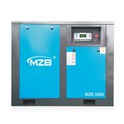

Is it easy to install a heavy duty air compressor? This is a question that many potential buyers and users often ask. As a supplier of Heavy Duty Air Compressors, I'd like to share some insights on this topic.
Understanding Heavy Duty Air Compressors
Before delving into the installation process, it's essential to understand what heavy duty air compressors are. Heavy duty air compressors are designed to handle large - scale, continuous, and demanding applications. They are commonly used in industrial settings such as manufacturing plants, automotive repair shops, and construction sites. These compressors are built to deliver high volumes of compressed air at relatively high pressures, which makes them significantly different from smaller, household - grade air compressors.
Heavy duty air compressors come in various types, including reciprocating piston compressors, rotary screw compressors, and centrifugal compressors. Each type has its own unique features, performance characteristics, and installation requirements.
Factors Affecting the Installation Difficulty
1. Size and Weight
Heavy duty air compressors are usually large and heavy. Their size and weight can pose significant challenges during installation. Moving a large compressor into the desired location requires proper equipment such as forklifts or hoists. Improper handling can not only damage the compressor but also pose a safety risk to the installation team. For example, a large reciprocating piston heavy duty air compressor can weigh several hundred kilograms or even more, and maneuvering it through narrow doorways or up staircases can be extremely difficult.
2. Electrical Requirements
Most heavy duty air compressors require a three - phase electrical supply. Installing a three - phase electrical system is more complex than a single - phase system. It involves working with high - voltage electricity, which requires the expertise of a qualified electrician. Incorrect electrical installation can lead to electrical failures, damage to the compressor, and even pose a fire hazard. Additionally, the compressor may need a dedicated electrical circuit to ensure stable power supply.
If you are interested in a Three Phase High Pressure Compressor, you need to be well - prepared for the electrical installation challenges.
3. Ventilation and Cooling
Heavy duty air compressors generate a significant amount of heat during operation. Adequate ventilation and cooling are crucial to ensure the compressor's proper functioning and longevity. The installation location must have proper ventilation systems to remove the hot air generated by the compressor. This may involve installing exhaust fans, ductwork, or ensuring sufficient open space around the compressor. In some cases, additional cooling systems such as water - cooled condensers may be required, which adds to the complexity of the installation.
4. Piping and Connections
Connecting the compressor to the air distribution system is another critical aspect of the installation. Heavy duty air compressors require large - diameter pipes to handle the high volume of compressed air. Proper piping installation involves cutting, threading, and sealing the pipes to prevent air leaks. The pipes also need to be properly supported to avoid vibration - related issues. Moreover, the compressor may have multiple connections for air intake, air outlet, oil lines (if it is an oil - lubricated compressor), and control lines, all of which need to be correctly installed.
For instance, if you choose a High Pressure Compressor with Lubricating Oil, the installation of the oil lines and ensuring proper oil circulation is an important part of the process.
The Installation Process
1. Site Preparation
The first step in installing a heavy duty air compressor is site preparation. This includes cleaning the installation area, ensuring a level surface, and making sure there is enough space for the compressor and its associated equipment. The site should also be free from any potential hazards such as flammable materials or excessive dust.
2. Moving and Positioning the Compressor
Once the site is prepared, the compressor needs to be moved into place. As mentioned earlier, this may require the use of appropriate lifting equipment. The compressor should be positioned in a way that allows easy access for maintenance and inspection. It should also be close to the electrical supply and the air distribution system to minimize the length of the piping and wiring.
3. Electrical Installation
A qualified electrician should handle the electrical installation. The electrician will connect the compressor to the three - phase electrical supply, install the necessary circuit breakers and switches, and ensure proper grounding. They will also test the electrical system to make sure it is functioning correctly before powering on the compressor.
4. Piping Installation
The piping installation involves measuring, cutting, and connecting the pipes. The pipes should be installed in a way that minimizes bends and restrictions to ensure smooth air flow. After the pipes are connected, they need to be pressure - tested to check for any leaks.
5. Testing and Commissioning
Once the installation is complete, the compressor needs to be tested and commissioned. This includes checking all the connections, filling the compressor with oil (if applicable), and running the compressor at a low load to check for any abnormal noises or vibrations. The air pressure, temperature, and other operating parameters should be monitored to ensure the compressor is working within the specified range.
Is it Easy?
In conclusion, installing a heavy duty air compressor is not an easy task. It requires specialized knowledge, skills, and equipment. The process involves dealing with heavy machinery, high - voltage electricity, and complex piping systems. However, with the right team of professionals, including experienced installers and electricians, the installation can be carried out safely and efficiently.
As a supplier of Heavy Duty Air Compressors, we understand the challenges associated with installation. We offer comprehensive support to our customers, including providing installation guidelines, recommending qualified installation teams, and offering after - sales service.
If you are considering purchasing a heavy duty air compressor for your business, we encourage you to contact us for more information. Our team of experts can help you choose the right compressor for your needs and guide you through the installation process. We are committed to providing high - quality products and excellent customer service. Let's work together to ensure your air compression system meets your requirements and operates smoothly.


References
- Compressed Air and Gas Handbook, 4th Edition
- Industrial Air Compressor Installation and Maintenance Guidebooks