


In the world of industrial equipment, air compressors play a crucial role in a wide range of applications, from powering pneumatic tools to supporting complex manufacturing processes. Among the various types of air compressors available, C Type Piston Air Compressors are well - known for their reliability and efficiency. As a C Type Piston Air Compressor supplier, I often get questions about the differences between single - stage and two - stage C Type Piston Air Compressors. In this blog post, I'll delve into these differences to help you make an informed decision when choosing the right compressor for your needs.
Basic Working Principle of C Type Piston Air Compressors
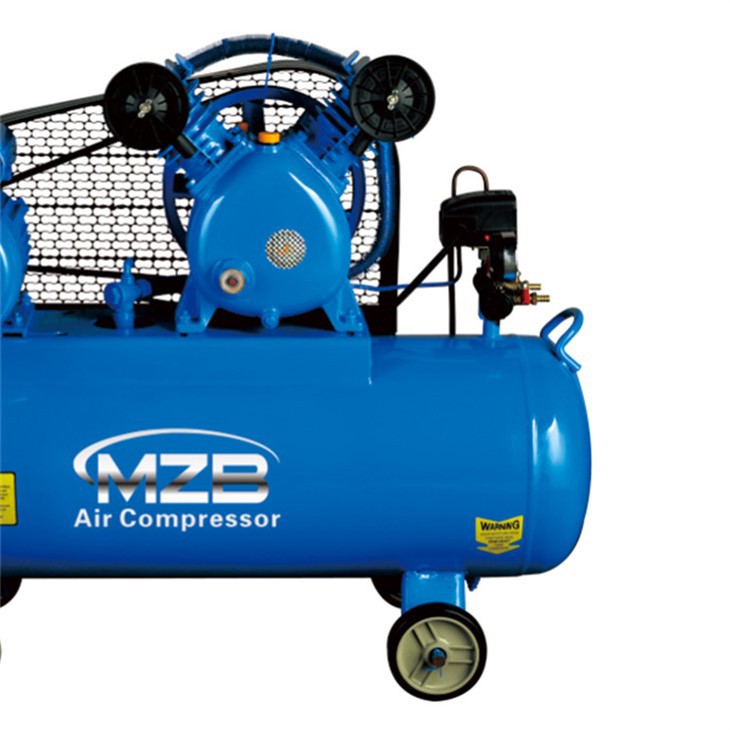
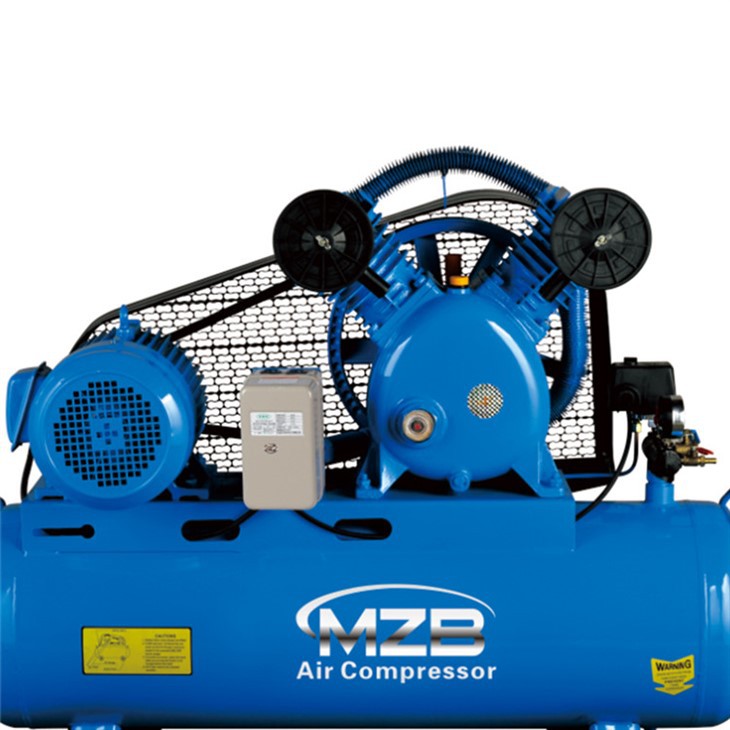
Before we explore the differences between single - stage and two - stage compressors, let's briefly understand the basic working principle of C Type Piston Air Compressors. These compressors use a piston - cylinder mechanism to draw in air, compress it, and then discharge it at a higher pressure. The C - type design typically offers a compact and efficient structure, making it suitable for both industrial and commercial applications. You can learn more about C Type Piston Air Compressor on our website.
Single - Stage C Type Piston Air Compressors
Compression Process
A single - stage C Type Piston Air Compressor compresses air in one stroke of the piston. The piston moves down to draw air into the cylinder through an intake valve. As the piston moves back up, it compresses the air in the cylinder and then discharges it through an outlet valve. This simple compression process is relatively straightforward and easy to understand.
Pressure Output
Single - stage compressors are generally capable of producing pressures up to around 125 - 150 psi (pounds per square inch). This pressure range is suitable for many light - to medium - duty applications such as powering small pneumatic tools like nail guns, staplers, and some paint sprayers.
Efficiency
In terms of efficiency, single - stage compressors are less efficient compared to their two - stage counterparts when it comes to producing higher pressures. The compression process generates a significant amount of heat, which can lead to energy losses. Additionally, the single - stage design may not be able to maintain a consistent pressure under heavy - load conditions.
Cost
One of the main advantages of single - stage C Type Piston Air Compressors is their lower cost. They have a simpler design with fewer components, which makes them more affordable to purchase and maintain. This makes them an attractive option for small businesses or DIY enthusiasts on a budget.
Two - Stage C Type Piston Air Compressors
Compression Process
A two - stage C Type Piston Air Compressor, on the other hand, compresses air in two stages. In the first stage, the piston draws in air and compresses it to an intermediate pressure. The compressed air is then sent to a cooler, where it is cooled down to reduce the heat generated during the first - stage compression. In the second stage, the cooled air is further compressed to the final desired pressure.
Pressure Output
Two - stage compressors can produce much higher pressures, typically ranging from 175 - 200 psi or even higher in some industrial models. This higher pressure output makes them suitable for heavy - duty applications such as powering large pneumatic tools, operating in industrial manufacturing processes, and running air - powered machinery that requires a consistent high - pressure supply.
Efficiency
The two - stage compression process is more efficient because the cooling between the two stages reduces the volume of the air, making it easier to compress in the second stage. This results in less energy consumption and less heat generation compared to single - stage compressors. Moreover, two - stage compressors can maintain a more consistent pressure output, even under heavy - load conditions.
Cost
Two - stage C Type Piston Air Compressors are more expensive than single - stage ones. Their more complex design with additional components such as intercoolers and multiple cylinders increases the manufacturing cost. Additionally, the maintenance of two - stage compressors may also be more costly due to the increased number of parts that need to be serviced.
Performance Comparison
Power and Capacity
When it comes to power and capacity, two - stage compressors have a clear advantage. They can handle larger volumes of air at higher pressures, which means they can support more demanding applications. Single - stage compressors, while sufficient for lighter tasks, may struggle to keep up with the air demand of heavy - duty equipment.
Durability
Two - stage compressors are generally more durable. The two - stage compression process reduces the stress on the components, as the air is compressed in smaller increments. This results in less wear and tear on the pistons, valves, and other moving parts, extending the lifespan of the compressor. Single - stage compressors, especially when used for continuous high - pressure applications, may experience more frequent breakdowns and require more frequent maintenance.
Noise Level
Single - stage compressors tend to be noisier. The rapid compression process in a single stroke generates more vibration and noise. Two - stage compressors, with their more gradual compression process and better - engineered design, often operate more quietly. This can be an important factor, especially in environments where noise pollution needs to be minimized.
Application Considerations
Small - Scale Applications
For small - scale applications such as home workshops, small garages, or light - duty construction sites, a single - stage C Type Piston Air Compressor is usually sufficient. These applications typically require lower pressures and intermittent use of pneumatic tools. The lower cost and simplicity of single - stage compressors make them a practical choice.
Industrial and Heavy - Duty Applications
In industrial settings, such as automotive manufacturing plants, large construction sites, and heavy - machinery workshops, two - stage C Type Piston Air Compressors are the preferred option. The high - pressure output and consistent performance of two - stage compressors are essential for powering large - scale pneumatic equipment and ensuring smooth operation of industrial processes.
Conclusion
In summary, the main differences between single - stage and two - stage C Type Piston Air Compressors lie in their compression processes, pressure outputs, efficiencies, costs, and performance characteristics. Single - stage compressors are more affordable and suitable for light - to medium - duty applications, while two - stage compressors offer higher pressures, better efficiency, and greater durability for heavy - duty use.
As a C Type Piston Air Compressor supplier, we understand that choosing the right compressor is crucial for your business. Whether you need a single - stage compressor for a small project or a two - stage compressor for an industrial application, we can provide you with the best solutions. If you have any questions or would like to discuss your specific requirements, please feel free to contact us. We look forward to working with you to find the perfect air compressor for your needs.
References
- Compressed Air and Gas Handbook, 4th Edition
- Industrial Pneumatic Systems: Design, Installation, and Troubleshooting
- Principles of Air Compression and Applications in Industry


