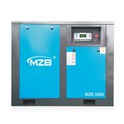

Operating a C Type Piston Air Compressor in extreme temperatures can be a real challenge, but with the right know - how, you can keep it running smoothly. As a supplier of C Type Piston Air Compressors, I've seen firsthand the issues that extreme temperatures can cause and the solutions that work.
First off, let's talk about what extreme temperatures mean. Extreme cold can make the lubricating oil in the compressor thicken, which makes it harder for the moving parts to work properly. On the flip side, extreme heat can cause the oil to thin out and lose its lubricating properties. Plus, high temperatures can also lead to overheating of the compressor components, which can result in damage and a shorter lifespan for the machine.
Operating in Extreme Cold
When it comes to cold weather, preparation is key. Before starting the C Type Piston Air Compressor, you need to make sure that the lubricating oil is suitable for low - temperature operation. Using the wrong oil can cause serious problems. For example, if the oil is too thick, it won't flow properly to lubricate the pistons and other moving parts. This can lead to increased friction, wear, and even seizure of the compressor.
I recommend using a synthetic lubricating oil that is specifically designed for cold - weather use. These oils have a lower pour point, which means they can flow at lower temperatures. You can usually find this information on the oil's label. Another important step is to pre - heat the compressor. You can do this by using a heating blanket or keeping the compressor in a heated area before starting it. This will help warm up the oil and make it easier for the compressor to start.
Once the compressor is running, keep an eye on the pressure gauges. In cold weather, the air density is higher, which can cause the compressor to build up pressure more quickly. You may need to adjust the pressure settings to prevent over - pressurization. Also, check the hoses and connections regularly for signs of cracking or brittleness. Cold temperatures can make rubber and plastic materials more prone to damage.
Operating in Extreme Heat
In hot weather, the main concern is overheating. The C Type Piston Air Compressor generates a lot of heat during operation, and in high - temperature environments, this heat can build up quickly. To prevent overheating, make sure the compressor is located in a well - ventilated area. Good ventilation helps dissipate the heat and keeps the compressor cool.
You can also install additional cooling fans or heat exchangers to help with the cooling process. These devices can significantly reduce the temperature of the compressor and its components. Another important thing is to monitor the oil temperature. If the oil gets too hot, it will lose its ability to lubricate effectively. You can use an oil temperature gauge to keep track of the oil temperature. If it starts to get too high, you may need to stop the compressor and let it cool down.
Just like in cold weather, the lubricating oil is crucial. In hot temperatures, you need to use an oil with a higher viscosity index. This means the oil will maintain its thickness and lubricating properties even at high temperatures. Regularly check the oil level and quality. High temperatures can cause the oil to break down more quickly, so you may need to change the oil more frequently.
Maintenance Tips for Extreme Temperatures
Regardless of whether it's extremely cold or hot, regular maintenance is essential. In extreme temperatures, the wear and tear on the C Type Piston Air Compressor can be accelerated. So, you need to be extra vigilant about maintenance.
Check the air filters regularly. Clogged air filters can restrict the airflow, which can lead to overheating in hot weather and increased energy consumption in cold weather. Replace the filters as needed to ensure proper airflow. Also, inspect the belts and pulleys. Extreme temperatures can cause the belts to stretch or become brittle, so make sure they are in good condition and properly tensioned.
The valves in the compressor are also critical components. In extreme temperatures, the valves can become sticky or damaged. Regularly clean and inspect the valves to ensure they are working properly. If you notice any signs of valve failure, such as abnormal noise or reduced performance, replace the valves immediately.
Conclusion
Operating a C Type Piston Air Compressor in extreme temperatures is definitely a challenge, but by following these tips, you can keep your compressor running efficiently and extend its lifespan. Whether it's cold or hot outside, proper preparation, the right lubricating oil, and regular maintenance are the keys to success.


If you're in the market for a reliable C Type Piston Air Compressor, or if you have any questions about operating your existing compressor in extreme temperatures, don't hesitate to reach out. You can learn more about our C Type Piston Air Compressor and C Type Piston Air Compressor on our website. We're here to help you make the most of your compressor, no matter what the weather is like.
References
- Compressor Handbook: A Guide to Compressor Operation and Maintenance
- Lubrication Technology for Air Compressors
- Manufacturer's Manual for C Type Piston Air Compressors