
As a supplier of C Type Piston Air Compressors, I often encounter inquiries from customers regarding the maximum pressure these compressors can reach. Understanding the maximum pressure capability is crucial for various industrial and commercial applications, as it directly impacts the compressor's performance and suitability for specific tasks. In this blog post, I will delve into the factors that influence the maximum pressure of a C Type Piston Air Compressor and provide insights into its practical implications.
Understanding C Type Piston Air Compressors
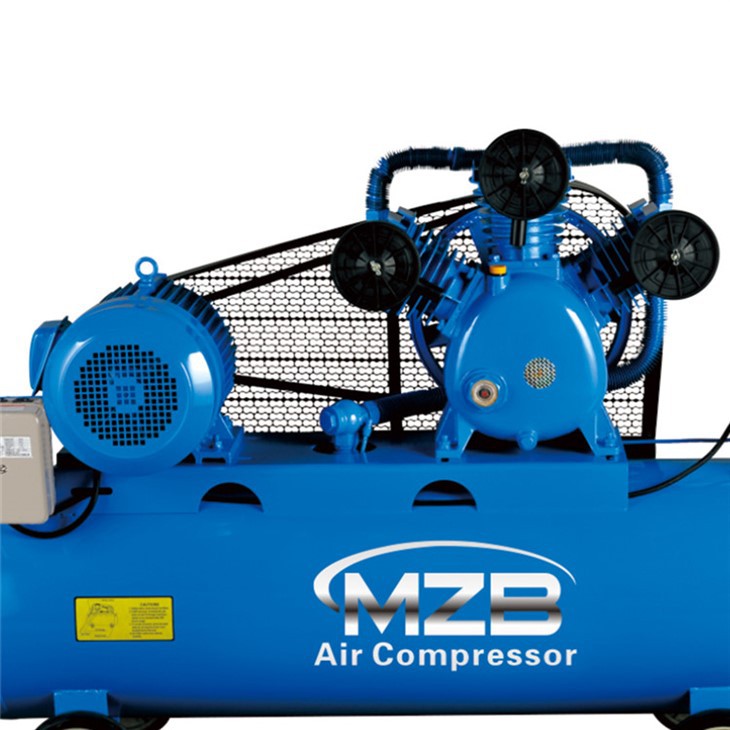
Before discussing the maximum pressure, it is essential to have a basic understanding of C Type Piston Air Compressors. These compressors are positive displacement machines that use a piston within a cylinder to compress air. The C Type design refers to the configuration of the cylinders and pistons, which are arranged in a specific geometric pattern to optimize the compression process.
C Type Piston Air Compressors are known for their reliability, durability, and efficiency. They are commonly used in a wide range of applications, including manufacturing, automotive, construction, and agriculture. These compressors can provide a continuous supply of compressed air at various pressures, making them suitable for different types of pneumatic tools and equipment.
Factors Affecting the Maximum Pressure
The maximum pressure a C Type Piston Air Compressor can reach is influenced by several factors, including the compressor's design, construction, and operating conditions. Here are some of the key factors:
Compressor Design
The design of the compressor plays a significant role in determining its maximum pressure capability. Factors such as the number of cylinders, piston diameter, stroke length, and compression ratio all affect the compressor's ability to compress air to high pressures. Compressors with more cylinders and a higher compression ratio generally have a greater maximum pressure capacity.
Construction Materials
The materials used in the construction of the compressor also impact its maximum pressure capability. High-quality materials, such as cast iron or steel, are commonly used for the cylinders, pistons, and connecting rods to withstand the high pressures and forces generated during the compression process. The use of durable materials ensures the compressor's reliability and longevity, even at high operating pressures.
Cooling System
Efficient cooling is essential for maintaining the compressor's performance and preventing overheating. Compressors with effective cooling systems, such as air-cooled or water-cooled designs, can operate at higher pressures without experiencing significant temperature increases. Cooling helps to reduce the risk of component failure and ensures the compressor's long-term reliability.
Operating Conditions
The operating conditions, such as ambient temperature, humidity, and altitude, can also affect the maximum pressure of a C Type Piston Air Compressor. Higher ambient temperatures and humidity levels can reduce the compressor's efficiency and limit its maximum pressure capability. Similarly, operating at high altitudes can decrease the air density, which may require the compressor to work harder to achieve the same pressure.
Typical Maximum Pressure Range
The maximum pressure a C Type Piston Air Compressor can reach typically ranges from 100 to 200 psi (pounds per square inch). However, some industrial-grade compressors can achieve pressures of up to 300 psi or higher. The specific maximum pressure of a compressor depends on its design, size, and intended application.
For general industrial applications, compressors with a maximum pressure of 100 to 150 psi are commonly used. These compressors are suitable for powering pneumatic tools, such as drills, impact wrenches, and spray guns. For more demanding applications, such as high-pressure cleaning or industrial processes that require compressed air at higher pressures, compressors with a maximum pressure of 150 to 200 psi or higher may be necessary.
Practical Implications of Maximum Pressure
Understanding the maximum pressure of a C Type Piston Air Compressor is essential for selecting the right compressor for your specific application. Here are some practical implications of the maximum pressure:
Pneumatic Tool Performance
The maximum pressure of the compressor directly affects the performance of pneumatic tools. Different tools require different operating pressures to function optimally. Using a compressor with a maximum pressure that is too low may result in reduced tool performance, while using a compressor with a maximum pressure that is too high can damage the tools.
System Efficiency
Operating a compressor at its maximum pressure can improve the efficiency of the compressed air system. Higher pressures allow for the use of smaller-diameter pipes and hoses, which can reduce pressure losses and energy consumption. However, it is important to ensure that the system components, such as valves, fittings, and regulators, are rated for the maximum pressure to prevent leaks and failures.
Safety Considerations
Working with compressed air at high pressures can be dangerous if proper safety precautions are not taken. It is important to follow all safety guidelines and regulations when operating a C Type Piston Air Compressor. This includes using appropriate personal protective equipment, such as safety glasses and gloves, and ensuring that the compressor is installed and maintained correctly.
Conclusion
In conclusion, the maximum pressure a C Type Piston Air Compressor can reach is influenced by several factors, including the compressor's design, construction, and operating conditions. Understanding the maximum pressure capability is crucial for selecting the right compressor for your specific application and ensuring its safe and efficient operation.
As a supplier of C Type Piston Air Compressors, we offer a wide range of compressors with different maximum pressure ratings to meet the diverse needs of our customers. Our compressors are designed and manufactured to the highest standards of quality and reliability, ensuring optimal performance and long-term durability.
If you are in the market for a C Type Piston Air Compressor or have any questions about our products, please feel free to contact us for more information. Our team of experts is available to assist you in selecting the right compressor for your application and providing you with the support you need to ensure its successful operation.

References
- Compressed Air and Gas Handbook, 4th Edition, by George F. Bloch and Ismet Cetegen
- Pneumatic Systems Design and Application, 3rd Edition, by John C. Schulz
- Air Compressor Handbook, 2nd Edition, by Heinz P. Bloch and Fred K. Geitner