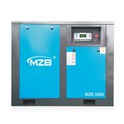

As a supplier of Medical Oil Free Air Compressors, I often encounter inquiries from customers about the performance and limitations of our products. One of the most frequently asked questions is: "What is the maximum temperature a medical oil - free air compressor can withstand?" In this blog post, I will delve into this topic and provide some valuable insights.
Understanding the Basics of Medical Oil - Free Air Compressors
Medical oil - free air compressors are designed to provide clean, oil - free compressed air for various medical applications. These applications range from dental equipment to respiratory devices, where the quality of the compressed air is of utmost importance. Unlike traditional air compressors that use oil for lubrication, oil - free air compressors rely on alternative methods such as dry piston or diaphragm technology to compress air without introducing oil contaminants.
The absence of oil in these compressors offers several advantages. Firstly, it eliminates the risk of oil contamination in the compressed air, which is crucial for medical applications where purity is essential. Secondly, oil - free compressors generally require less maintenance since there is no need to change oil or deal with oil - related issues.
Factors Affecting the Maximum Temperature Tolerance
The maximum temperature a medical oil - free air compressor can withstand is influenced by several factors.
Material Selection
The materials used in the construction of the compressor play a significant role in determining its temperature tolerance. For example, the pistons, cylinders, and valves are often made from high - temperature - resistant materials such as special alloys or heat - treated steels. These materials can withstand elevated temperatures without deforming or losing their mechanical properties. Additionally, the gaskets and seals used in the compressor must also be able to tolerate high temperatures to prevent air leaks.
Cooling System
A proper cooling system is essential for maintaining the temperature of the compressor within acceptable limits. Most medical oil - free air compressors are equipped with either air - cooled or water - cooled systems. Air - cooled compressors use fans to blow air over the compressor components, dissipating heat into the surrounding environment. Water - cooled compressors, on the other hand, circulate water through a cooling jacket around the compressor to absorb and carry away heat. The efficiency of the cooling system directly affects the compressor's ability to handle high temperatures.
Compression Ratio
The compression ratio of the compressor, which is the ratio of the discharge pressure to the suction pressure, also impacts the temperature rise during the compression process. A higher compression ratio generally leads to a greater temperature increase. Therefore, compressors with higher compression ratios need to be designed with better cooling systems or made from more heat - resistant materials to withstand the resulting high temperatures.
Typical Maximum Temperature Tolerances
In general, most medical oil - free air compressors are designed to operate within a temperature range of 40°C to 60°C (104°F to 140°F). However, some high - performance models can tolerate temperatures up to 80°C (176°F) or even higher under certain conditions.
It is important to note that operating the compressor at or near its maximum temperature tolerance for extended periods can have a negative impact on its performance and lifespan. High temperatures can cause accelerated wear and tear on the compressor components, reduce the efficiency of the cooling system, and increase the risk of mechanical failures.
Importance of Staying within the Temperature Limits
Maintaining the compressor within its recommended temperature range is crucial for several reasons.
Product Performance
Excessive temperatures can lead to a decrease in the compressor's performance. For example, the compression efficiency may be reduced, resulting in lower air output or higher energy consumption. Additionally, high temperatures can cause the air to expand, leading to inaccurate pressure regulation and potentially affecting the operation of the medical equipment connected to the compressor.
Product Lifespan
Prolonged exposure to high temperatures can significantly shorten the lifespan of the compressor. Components such as seals, gaskets, and bearings may degrade more quickly, leading to leaks, increased friction, and ultimately, mechanical failures. By keeping the compressor within the recommended temperature range, you can ensure its long - term reliability and reduce the need for costly repairs or replacements.


Safety
Operating the compressor beyond its maximum temperature tolerance can pose a safety risk. Overheating can cause the compressor to malfunction, leading to potential hazards such as fires or explosions. Therefore, it is essential to follow the manufacturer's guidelines regarding temperature limits to ensure the safe operation of the compressor.
Our Product Range
At our company, we offer a wide range of medical oil - free air compressors to meet the diverse needs of our customers. Our product portfolio includes Oilless Air Compressor, which are suitable for general medical applications and provide reliable and clean compressed air. We also have Oil Free Portable Air Compressor, which are ideal for situations where mobility is required. For applications that demand higher pressure, our 8 Bar High Pressure Oil Free Air Compressor can deliver the necessary performance.
All of our compressors are designed with high - quality materials and advanced cooling systems to ensure optimal performance and temperature tolerance. We conduct rigorous testing on our products to guarantee that they meet the highest standards of quality and reliability.
Contact Us for Purchase and Consultation
If you are in the market for a medical oil - free air compressor, we invite you to contact us for purchase and consultation. Our team of experts is ready to assist you in selecting the right compressor for your specific needs. Whether you have questions about the maximum temperature tolerance, the performance of our products, or any other technical details, we are here to provide you with the information you need.
We understand that every customer's requirements are unique, and we are committed to providing personalized solutions. By choosing our medical oil - free air compressors, you can be confident that you are getting a high - quality product that will meet your medical compressed air needs effectively and safely.
References
- Compressor Handbook, Third Edition, by Heinz P. Bloch and Fred K. Geitner
- ASME PTC 9 - 2004, Performance Test Code on Compressors and Exhausters
- ISO 8573 - 1:2010, Compressed air -- Part 1: Contaminants and purity classes