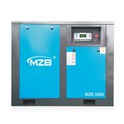

Hey there! As a supplier of Electric Motor for Air Compressor, I've seen firsthand how important thermal protection is for these motors. In this blog, I'll break down what thermal protection is, why it's crucial, and how it works in the context of air compressor motors.
What is Thermal Protection?
Let's start with the basics. Thermal protection, in simple terms, is a safety feature designed to prevent an electric motor from overheating. You see, when an electric motor runs, it generates heat. That's just the nature of the beast. The electrical current flowing through the motor's windings creates resistance, and according to the laws of physics, that resistance produces heat.
Now, a little heat is normal. Motors are built to handle a certain amount of it. But if the temperature gets too high, it can cause some serious problems. The insulation on the motor's windings can start to break down, which can lead to short circuits. Over time, excessive heat can also damage the motor's bearings and other components, reducing its lifespan and potentially causing it to fail completely.
Thermal protection is like a safety net for the motor. It monitors the temperature of the motor and takes action if it gets too hot. This action can vary, but it usually involves shutting off the power to the motor to prevent further overheating.
Why is Thermal Protection Crucial for Air Compressor Motors?
Air compressor motors are under a lot of stress. They have to work hard to compress air, which requires a significant amount of energy. This energy consumption leads to more heat generation compared to some other types of motors.
For example, in a screw air compressor, the motor has to drive the rotors to compress the air. This continuous operation can cause the motor to heat up quickly, especially if the compressor is running at high loads or in a hot environment. Without proper thermal protection, the motor could overheat and fail, leaving you with a non - functioning air compressor and potentially costly repairs or replacements.
Another reason thermal protection is crucial is that air compressors are often used in industrial settings where downtime can be extremely expensive. A motor failure due to overheating can halt production, leading to lost revenue and increased costs. By having effective thermal protection in place, you can reduce the risk of these costly breakdowns and keep your air compressor running smoothly.
How Does Thermal Protection Work in Air Compressor Motors?
There are a few different ways thermal protection can be implemented in air compressor motors. Let's take a look at some of the most common methods.
Built - in Thermal Switches
Many air compressor motors come with built - in thermal switches. These switches are usually located in the motor's windings or close to other heat - sensitive components. They are designed to open (break the electrical circuit) when the temperature reaches a certain threshold.
For example, a thermal switch might be set to open at 130°C (266°F). When the motor's temperature rises to this level, the switch will open, cutting off the power to the motor. Once the motor cools down, the switch will close again, allowing the motor to restart.
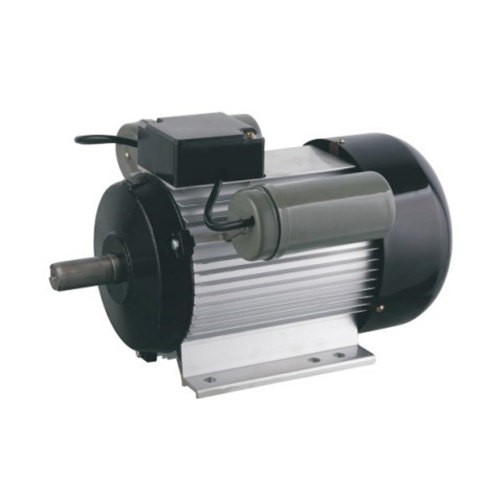
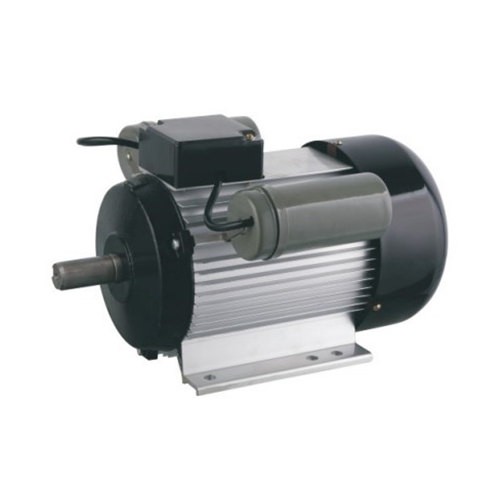
These thermal switches are relatively simple and cost - effective. They provide basic protection against overheating and are commonly used in smaller air compressor motors, such as those found in single - phase applications. You can check out our Single Phase Motor for Air Compressor for more information on these types of motors.
Electronic Thermal Protection
Electronic thermal protection is a more advanced method. It uses electronic sensors to monitor the motor's temperature and other parameters, such as current and voltage. These sensors send signals to an electronic control unit, which can then make more informed decisions about when to take action.
For instance, instead of just shutting off the motor when a fixed temperature is reached, an electronic thermal protection system can adjust the motor's operation based on the severity of the overheating. It might reduce the motor's speed or load to allow it to cool down gradually without completely shutting it off.
This type of protection is more accurate and flexible than built - in thermal switches. It's often used in larger, more complex air compressor motors, such as Three Phase Motor for Screw Air Compressor.
Thermistors
Thermistors are another type of temperature - sensing device used in thermal protection. A thermistor is a resistor whose resistance changes with temperature. By measuring the change in resistance, the motor's control system can determine the temperature of the motor.
Thermistors are often used in combination with other thermal protection methods. They can provide more precise temperature measurements, allowing for more accurate control of the motor's operation.
Factors Affecting Thermal Protection in Air Compressor Motors
There are several factors that can affect the effectiveness of thermal protection in air compressor motors.
Ambient Temperature
The temperature of the surrounding environment plays a big role. If the air compressor is located in a hot room or outdoors in the summer, the motor will have a harder time dissipating heat. This means that the motor may reach the overheating threshold more quickly, even if it's operating under normal loads.
Load Conditions
The load on the motor also matters. If the air compressor is constantly running at high loads, the motor will generate more heat. For example, if you're using the compressor to power multiple pneumatic tools simultaneously, the motor will have to work harder, increasing the risk of overheating.
Ventilation
Proper ventilation is essential for heat dissipation. If the motor's ventilation system is blocked or not working effectively, the heat will build up inside the motor. This could be due to dust, debris, or a malfunctioning fan.
Choosing the Right Electric Motor with Thermal Protection
When you're in the market for an Electric Motor for Air Compressor, it's important to consider the thermal protection features.
First, make sure the motor has some form of thermal protection. Whether it's a simple built - in thermal switch or a more advanced electronic system, having thermal protection is a must.
Second, consider the type of thermal protection based on your specific needs. If you have a small, residential air compressor, a built - in thermal switch might be sufficient. But if you're running a large industrial air compressor, you'll probably want a more advanced electronic thermal protection system.
Finally, look for a motor that is designed to handle the ambient temperature and load conditions of your application. A motor with a higher temperature rating and better heat dissipation capabilities will be more reliable in the long run.
Conclusion
Thermal protection is a vital feature for air compressor motors. It helps prevent overheating, extends the motor's lifespan, and reduces the risk of costly breakdowns. As a supplier of Electric Motor for Air Compressor, I understand the importance of providing motors with effective thermal protection.
If you're in the market for an air compressor motor, I encourage you to reach out to discuss your specific needs. We can help you choose the right motor with the appropriate thermal protection features for your application. Whether you need a single - phase motor for a small compressor or a three - phase motor for a large industrial screw compressor, we've got you covered. Let's work together to ensure your air compressor runs smoothly and efficiently.
References
- Electric Motor Handbook, various editions
- Air Compressor Technology Manuals
- Industry research papers on motor thermal protection