


When it comes to the use of medical oil - free air compressors, safety precautions are of utmost importance. As a supplier of Medical Oil Free Air Compressors, I understand the significance of ensuring that these devices are used safely in medical settings. In this blog, I will delve into the various safety precautions that should be taken when using a medical oil - free air compressor.
1. Pre - installation Safety Checks
Before installing a medical oil - free air compressor, it is essential to conduct a series of safety checks. First and foremost, the installation location should be carefully selected. The area should be well - ventilated to prevent the build - up of heat and moisture. A poorly ventilated space can cause the compressor to overheat, which not only reduces its efficiency but also poses a fire hazard.
The floor where the compressor will be placed must be level and sturdy. An uneven surface can cause the compressor to vibrate excessively during operation, leading to premature wear and tear of components and potentially causing the unit to tip over. Additionally, the installation area should be free from any flammable materials or sources of ignition.
It is also crucial to check the electrical supply. The power source should match the voltage and frequency requirements specified by the manufacturer. Using an incorrect electrical supply can damage the compressor and pose a serious electrical safety risk. Before connecting the compressor to the power supply, ensure that the electrical wiring is in good condition, without any exposed wires or signs of damage.
2. Installation Safety
During the installation process, it is important to follow the manufacturer's instructions precisely. If you are not experienced in installing air compressors, it is advisable to hire a professional technician. Incorrect installation can lead to a variety of problems, including leaks, improper operation, and safety hazards.
When installing the compressor, pay close attention to the connections. All pipes and hoses should be properly tightened to prevent air leaks. Leaking air can not only reduce the efficiency of the compressor but also create a tripping hazard if the air is blowing debris onto the floor.
The compressor should be grounded correctly. Grounding helps to protect against electrical shocks in case of a fault in the electrical system. Make sure that the grounding wire is connected securely to a proper grounding point.
3. Operational Safety
Once the medical oil - free air compressor is installed and ready for operation, there are several safety precautions to keep in mind. First, always operate the compressor within its specified operating parameters. Do not exceed the maximum pressure or flow rate recommended by the manufacturer. Overloading the compressor can cause it to malfunction, overheat, or even explode.
Regularly monitor the compressor's operation. Check the pressure gauges, temperature indicators, and other control panels frequently. Any abnormal readings, such as unusually high pressure or temperature, should be investigated immediately. If you notice any strange noises, vibrations, or odors during operation, stop the compressor and turn off the power supply. These could be signs of a serious problem.
Keep the compressor clean. Dust and debris can accumulate on the compressor's surfaces and in its intake filters, which can reduce its efficiency and cause overheating. Regularly clean the intake filters according to the manufacturer's recommendations. This will help to ensure that the compressor is taking in clean air, which is essential for its proper operation.
When using the compressor in a medical environment, ensure that the compressed air is clean and free from contaminants. Medical applications often require high - quality air, and any contaminants in the compressed air can pose a risk to patients. Use appropriate air treatment equipment, such as filters and dryers, to remove moisture, oil, and other impurities from the compressed air.
4. Maintenance Safety
Regular maintenance is essential for the safe and efficient operation of a medical oil - free air compressor. However, maintenance work should be carried out with caution. Before performing any maintenance tasks, always turn off the compressor and disconnect it from the power supply. This will prevent accidental start - up, which can cause serious injuries.
When replacing parts, use only genuine parts recommended by the manufacturer. Using non - genuine parts can affect the performance and safety of the compressor. Make sure that all replacement parts are installed correctly and securely.
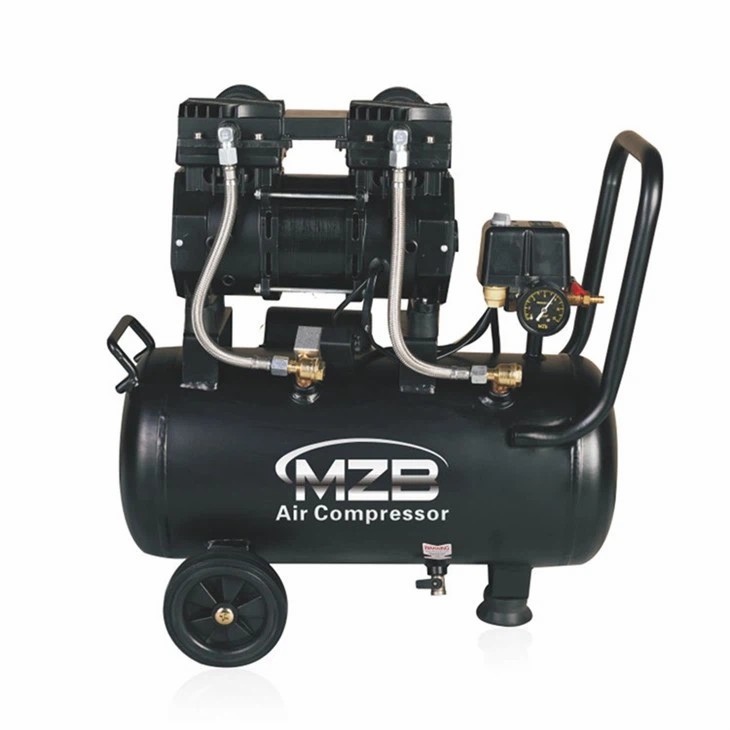

If you need to open the compressor for maintenance, be aware of the internal components. Some parts may be under pressure or contain sharp edges. Wear appropriate personal protective equipment, such as gloves and safety glasses, to protect yourself from potential injuries.
5. Storage Safety
If the medical oil - free air compressor needs to be stored for an extended period, there are also safety precautions to consider. First, clean the compressor thoroughly before storage. Remove any dirt, debris, and moisture from the unit. This will help to prevent corrosion and damage during storage.
Store the compressor in a dry, cool, and well - ventilated area. Avoid storing it in areas where it may be exposed to extreme temperatures, humidity, or direct sunlight. If possible, cover the compressor with a protective cover to prevent dust and debris from accumulating on it.
Before restarting the compressor after storage, perform a thorough inspection. Check all the components, pipes, and hoses for any signs of damage or deterioration. Make sure that the electrical system is still in good condition.
6. Training and Education
All personnel who will be operating or maintaining the medical oil - free air compressor should receive proper training. Training should cover the correct operation procedures, safety precautions, and maintenance requirements of the compressor. This will help to ensure that the compressor is used safely and efficiently.
In addition to initial training, regular refresher courses should be provided. This will keep the operators and maintenance staff up - to - date with the latest safety information and best practices.
7. Emergency Preparedness
Despite taking all the necessary safety precautions, emergencies can still occur. It is important to have an emergency plan in place. The plan should include procedures for dealing with fires, electrical shocks, and compressor malfunctions.
All personnel should be familiar with the emergency plan and know how to respond in case of an emergency. Fire extinguishers and first - aid kits should be readily available in the area where the compressor is located.
Conclusion
Using a medical oil - free air compressor safely requires a combination of proper installation, operation, maintenance, and emergency preparedness. By following these safety precautions, you can ensure the reliable and safe operation of the compressor, which is crucial for medical applications.
If you are in the market for a high - quality medical oil - free air compressor, we are here to help. Our products, such as the Quiet Dental Air Compressor and Oilless Air Compressor from our Oilless Air Compressor Factory, are designed with safety and performance in mind. Contact us for more information and to discuss your specific requirements.
References
- Manufacturer's manuals for medical oil - free air compressors
- Occupational Safety and Health Administration (OSHA) guidelines for air compressor safety
- Industry standards for medical air quality and compressor operation


