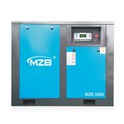

As a supplier of Screw Type Air Compressor, I've seen firsthand how crucial the unloading valve is in these machines. In this blog, I'll break down what the unloading valve does in a screw type air compressor and why it's so important.
What's a Screw Type Air Compressor?
Before we dive into the role of the unloading valve, let's quickly talk about screw type air compressors. These bad boys are widely used in various industries because they're efficient, reliable, and can handle high volumes of air. A Rotary Screw Air Compressor works by using two rotating screws to compress the air. As the screws turn, they trap air between the threads and gradually reduce the volume, increasing the air pressure. This compressed air can then be used for all sorts of things, like powering pneumatic tools, operating machinery, and even in some manufacturing processes.
The Basics of an Unloading Valve
So, what exactly is an unloading valve? Well, it's a key component in a screw type air compressor that helps regulate the pressure and flow of air. Think of it as a traffic cop for the compressed air. When the compressor reaches a certain pressure level, the unloading valve kicks in to control what happens next.
There are different types of unloading valves, but they all have the same basic function: to either release excess pressure or allow the compressor to run in an unloaded state. An unloaded state means the compressor is still running, but it's not actively compressing air. This is important for a few reasons, which we'll get into in a bit.
The Role of the Unloading Valve in Pressure Regulation
One of the main jobs of the unloading valve is to keep the pressure in the compressor within a safe and optimal range. When the compressor starts up, it begins compressing air, and the pressure in the system starts to rise. Once the pressure reaches a pre - set maximum level, the unloading valve opens.
When the valve opens, it allows some of the compressed air to be released back into the atmosphere or redirected to a storage tank. This helps prevent the pressure from getting too high, which could damage the compressor or other components in the system. For example, if the pressure gets too high, it could cause leaks in the pipes, damage seals, or even lead to a complete breakdown of the compressor.
On the other hand, when the pressure in the system drops below a certain level, the unloading valve closes. This allows the compressor to start compressing air again, bringing the pressure back up to the desired level. It's like a self - regulating system that keeps everything running smoothly.
Energy Savings with the Unloading Valve
Another big advantage of the unloading valve is that it helps save energy. As I mentioned earlier, when the compressor reaches the maximum pressure, it can enter an unloaded state. In this state, the compressor is still running, but it's not using as much energy because it's not actively compressing air.
Let's say you have an Industrial Use Screw Air Compressor that's used intermittently. Without an unloading valve, the compressor would have to keep running at full capacity all the time, even when there's no demand for compressed air. This would waste a lot of energy and increase your operating costs. But with an unloading valve, the compressor can switch to an unloaded state when the pressure is high, saving energy and reducing wear and tear on the machine.
Protecting the Compressor from Overloading
The unloading valve also plays a crucial role in protecting the compressor from overloading. When the compressor is running continuously at high pressure, it can put a lot of stress on the motor, the screws, and other components. This can lead to premature wear and tear, and eventually, the compressor might break down.
By allowing the compressor to enter an unloaded state, the unloading valve reduces the stress on the system. It gives the components a break, which extends their lifespan and reduces the need for frequent maintenance and repairs. This is especially important in industrial settings where downtime can be very costly.


How the Unloading Valve Affects System Performance
The performance of the entire compressed air system is also influenced by the unloading valve. A properly functioning unloading valve ensures that the compressed air is delivered at a consistent pressure and flow rate. This is essential for the proper operation of the equipment that uses the compressed air.
For example, if you're using pneumatic tools, they require a specific pressure and flow of air to work efficiently. If the pressure is too high or too low, the tools might not work properly, or they could even get damaged. The unloading valve helps maintain the right conditions for these tools to operate at their best.
Troubleshooting Unloading Valve Issues
Like any component in a machine, the unloading valve can sometimes experience problems. Common issues include the valve not opening or closing properly, leaks, or getting clogged. If you notice that your compressor is having pressure problems, is using more energy than usual, or if there are strange noises coming from the system, it could be a sign that the unloading valve is malfunctioning.
If you suspect an issue with the unloading valve, it's important to have it checked by a professional. They can diagnose the problem and either repair or replace the valve if necessary. Regular maintenance and inspections can also help prevent these issues from occurring in the first place.
Conclusion and Call to Action
In conclusion, the unloading valve is a vital part of a screw type air compressor. It helps regulate pressure, save energy, protect the compressor from overloading, and ensure the proper performance of the entire compressed air system. If you're in the market for a Screw Type Air Compressor, make sure to pay attention to the quality and functionality of the unloading valve.
As a supplier, we offer high - quality screw type air compressors with reliable unloading valves. If you're interested in learning more about our products or have any questions about how the unloading valve works, feel free to reach out to us. We're here to help you find the right compressor for your needs and ensure that it operates at its best. Whether you're a small business or a large industrial operation, we have the expertise and the products to meet your requirements. So, don't hesitate to contact us for a consultation and let's start a conversation about your compressed air needs.
References
- Compressed Air Systems Handbook
- Industrial Air Compressor Manuals
- Technical Papers on Screw Type Air Compressors