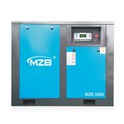

Hey there! As a supplier of Screw Type Air Compressors, I often get asked this question: Can a screw type air compressor be installed outdoors? Well, let's dig into this topic and find out.
First off, let's talk a bit about what a Screw Type Air Compressor is. These bad boys are pretty awesome. They work by using two meshing helical screws, also known as rotors, to compress the air. This design makes them efficient, reliable, and capable of delivering a continuous supply of compressed air. You'll often find them in industrial settings, workshops, and even some larger home setups.
Now, back to the main question - can they be installed outdoors? The short answer is, it depends. There are several factors to consider before you decide to place your compressor outside.
Advantages of Outdoor Installation
One of the biggest advantages of installing a screw type air compressor outdoors is the space. Indoor space can be limited, especially in smaller workshops or factories. By moving the compressor outside, you free up valuable indoor real estate that can be used for other important things, like storing equipment or expanding your production area.
Another benefit is the ventilation. Screw type air compressors generate a lot of heat during operation. When installed indoors, this heat can build up and cause the compressor to overheat, which can lead to reduced efficiency and even damage to the machine. Outdoors, the natural airflow helps to dissipate the heat more effectively, keeping the compressor running at a cooler temperature and potentially extending its lifespan.
Disadvantages of Outdoor Installation
However, there are also some downsides to outdoor installation. The first and most obvious one is the weather. Extreme temperatures, whether it's scorching hot or freezing cold, can have a negative impact on the performance of your compressor. In hot weather, the compressor may have to work harder to cool itself down, which can increase energy consumption and wear and tear on the components. In cold weather, the oil in the compressor can thicken, making it harder for the machine to operate smoothly.
Rain, snow, and humidity are also major concerns. Moisture can get into the compressor and cause corrosion, which can damage the internal parts and lead to costly repairs. Dust and debris are another issue. If the compressor is not properly protected, these particles can enter the intake and clog the filters, reducing the efficiency of the compressor and potentially causing it to break down.
Factors to Consider
If you're still thinking about installing your screw type air compressor outdoors, here are some important factors to keep in mind:
Temperature
As I mentioned earlier, temperature plays a crucial role in the performance of your compressor. You need to make sure that the outdoor temperature is within the operating range specified by the manufacturer. Most screw type air compressors are designed to operate in temperatures between 40°F (4°C) and 104°F (40°C). If the temperature in your area regularly goes outside of this range, you may need to consider installing a temperature control system, such as a heater or a cooler, to keep the compressor running smoothly.
Protection
To protect your compressor from the elements, you'll need to invest in a suitable enclosure. The enclosure should be made of a durable material, such as steel or aluminum, and should be weatherproof. It should also have proper ventilation to allow for the dissipation of heat and the intake of fresh air. Additionally, you may want to consider installing a dust filter to prevent dust and debris from entering the compressor.
Location
The location of your outdoor compressor is also important. You should choose a spot that is level, dry, and away from any sources of heat or moisture. It should also be easily accessible for maintenance and repairs. Avoid placing the compressor near any trees or shrubs, as these can shed leaves and branches that could clog the intake or damage the enclosure.
Noise
Screw type air compressors can be quite noisy when they're running. If you're installing the compressor outdoors, you need to make sure that the noise level is not going to be a nuisance to your neighbors. You may want to consider installing a noise-reducing enclosure or placing the compressor in a location that is far away from residential areas.
Different Types of Screw Type Air Compressors
There are two main types of screw type air compressors: oil-injected and oil-free. Rotary Screw Air Compressors are a common type of oil-injected compressor. They use oil to lubricate the rotors and seal the compression chamber, which helps to improve efficiency and reduce wear and tear. Oil-free rotary screw air compressors, on the other hand, do not use oil in the compression process. They are often used in applications where oil contamination is a concern, such as in the food and beverage industry or in pharmaceutical manufacturing.


The type of compressor you choose can also affect whether it can be installed outdoors. Oil-injected compressors are generally more tolerant of temperature variations and can handle a wider range of operating conditions. However, they do require regular oil changes and maintenance to keep them running smoothly. Oil-free compressors are more sensitive to temperature and humidity and may require more careful installation and maintenance if they are to be installed outdoors.
Conclusion
So, can a screw type air compressor be installed outdoors? The answer is yes, but it's not a decision that should be taken lightly. You need to carefully consider the advantages and disadvantages, as well as the specific factors that apply to your situation. If you do decide to install your compressor outdoors, make sure you take the necessary steps to protect it from the elements and ensure that it is installed in a suitable location.
If you're still not sure whether an outdoor installation is right for you, or if you have any other questions about Rotary Screw Air Compressors, don't hesitate to reach out. As a supplier, I'm here to help you make the best decision for your needs. Whether you're looking for a new compressor or need advice on maintenance and installation, I've got you covered.
So, if you're in the market for a screw type air compressor, or if you're thinking about upgrading your existing system, give me a shout. Let's have a chat and see how we can work together to find the perfect solution for your business.
References
- Compressed Air and Gas Institute (CAGI). "Screw Compressor Handbook."
- Manufacturer's manuals for various screw type air compressors.