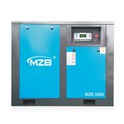

Hey there! As a supplier of Heavy Duty Air Compressors, I've seen firsthand how important it is to keep these machines running smoothly. One crucial aspect of maintaining a heavy-duty air compressor is installing a condensate drain. In this blog post, I'll walk you through the steps of installing a condensate drain on your heavy-duty air compressor, so you can keep your equipment in top shape.


Why You Need a Condensate Drain
Before we dive into the installation process, let's talk about why a condensate drain is so important. When air is compressed, it cools down, and water vapor in the air condenses into liquid water. This water can accumulate in the compressor tank and other parts of the system, leading to corrosion, reduced efficiency, and even damage to the compressor. A condensate drain helps remove this water from the system, preventing these issues and extending the life of your compressor.
Tools and Materials You'll Need
To install a condensate drain on your heavy-duty air compressor, you'll need the following tools and materials:
- Adjustable wrench
- Pipe cutter
- Teflon tape
- Condensate drain kit (make sure it's compatible with your compressor)
- Safety glasses and gloves
Step-by-Step Installation Guide
Step 1: Turn Off the Compressor and Release Pressure
Before you start working on your compressor, make sure it's turned off and the pressure in the tank is released. This will prevent any accidents or injuries during the installation process. You can release the pressure by opening the drain valve at the bottom of the tank.
Step 2: Locate the Drain Port
Next, you'll need to locate the drain port on your compressor. This is usually located at the bottom of the tank or on the side near the bottom. Refer to your compressor's manual if you're having trouble finding it.
Step 3: Cut the Pipe
Once you've located the drain port, use a pipe cutter to cut the pipe that leads to the drain port. Make sure the cut is clean and straight. You may need to remove any existing fittings or adapters from the pipe before cutting it.
Step 4: Apply Teflon Tape
Before installing the new condensate drain, apply Teflon tape to the threads of the drain port and the new drain fitting. This will help create a tight seal and prevent leaks. Wrap the tape around the threads in a clockwise direction, making sure to cover all the threads.
Step 5: Install the Condensate Drain
Now it's time to install the condensate drain. Carefully thread the new drain fitting onto the drain port, using an adjustable wrench to tighten it. Make sure it's tightened securely, but don't over-tighten it, as this could damage the threads.
Step 6: Connect the Drain Hose
Once the condensate drain is installed, connect the drain hose to the drain fitting. Make sure the hose is long enough to reach a suitable drainage area, such as a floor drain or a bucket. Secure the hose to the fitting using a hose clamp.
Step 7: Test the Drain
After installing the condensate drain, turn on the compressor and let it build up pressure. Then, open the drain valve on the condensate drain to check if water is draining properly. If you notice any leaks or issues, turn off the compressor and check the connections.
Tips for Maintaining Your Condensate Drain
- Regularly check the drain: Make sure the drain is working properly by checking it regularly. You can do this by opening the drain valve and seeing if water is draining out.
- Clean the drain: Over time, debris and sediment can build up in the drain, causing it to clog. Clean the drain periodically to prevent this from happening.
- Replace the drain if necessary: If the drain is damaged or not working properly, replace it as soon as possible to prevent water from accumulating in the compressor.
Conclusion
Installing a condensate drain on your heavy-duty air compressor is a relatively simple process that can have a big impact on the performance and longevity of your equipment. By following the steps outlined in this blog post, you can ensure that your compressor is properly maintained and running smoothly.
If you're in the market for a new heavy-duty air compressor, check out our Heavy Duty Air Compressor selection. We also offer High Pressure Compressor with Lubricating Oil and Three Phase High Pressure Compressor options to meet your specific needs.
If you have any questions or would like to discuss your air compressor requirements, feel free to reach out to us. We're here to help you find the right solution for your business.
References
- Compressor Manufacturer's Manual
- Industry Best Practices for Air Compressor Maintenance