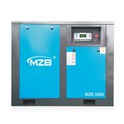

Maintaining a high-pressure air compressor is crucial for ensuring its longevity, efficiency, and safe operation. As a supplier of high-quality high-pressure air compressors, we understand the importance of proper maintenance. In this blog, we'll share some essential tips on how to maintain a high-pressure air compressor effectively.
Regular Inspection
Regular inspections are the cornerstone of maintaining a high-pressure air compressor. Start by visually inspecting the compressor for any signs of wear, damage, or leaks. Check the hoses, fittings, and connections for tightness and integrity. Look for any signs of oil or air leaks, as these can indicate potential problems.
Inspect the compressor's belts and pulleys for proper tension and alignment. Loose or misaligned belts can cause excessive wear and reduce the compressor's efficiency. If you notice any signs of wear or damage to the belts, replace them immediately.
Check the compressor's filters regularly. The intake filter prevents dirt and debris from entering the compressor, while the oil filter removes contaminants from the lubricating oil. Clogged filters can restrict airflow and reduce the compressor's performance. Replace the filters according to the manufacturer's recommendations.
Lubrication
Proper lubrication is essential for the smooth operation of a high-pressure air compressor. Most high-pressure air compressors use lubricating oil to reduce friction and wear between moving parts. Check the oil level regularly and add oil as needed. Use only the type of oil recommended by the manufacturer.
Change the oil at regular intervals to prevent the buildup of contaminants and ensure optimal performance. The frequency of oil changes depends on the compressor's usage and operating conditions. Refer to the manufacturer's manual for specific oil change intervals.
In addition to the lubricating oil, some high-pressure air compressors also require lubrication of other components, such as the valves and pistons. Follow the manufacturer's recommendations for lubricating these components to ensure proper operation.


Cooling
High-pressure air compressors generate a significant amount of heat during operation. Proper cooling is essential to prevent overheating and damage to the compressor. Most high-pressure air compressors are equipped with a cooling system, such as a radiator or a fan, to dissipate heat.
Check the cooling system regularly to ensure that it is functioning properly. Clean the radiator or fan to remove any dirt or debris that may be blocking the airflow. Make sure that the coolant level is within the recommended range and that there are no leaks in the cooling system.
If the compressor is operating in a hot environment, consider installing additional cooling equipment, such as a cooling tower or an air conditioner, to maintain the compressor's temperature within the recommended range.
Pressure Regulation
Maintaining the proper pressure is crucial for the safe and efficient operation of a high-pressure air compressor. Most high-pressure air compressors are equipped with a pressure regulator to control the output pressure. Set the pressure regulator to the desired pressure according to the requirements of your application.
Check the pressure gauge regularly to ensure that the compressor is operating at the correct pressure. If the pressure is too high or too low, adjust the pressure regulator accordingly. Avoid overpressurizing the compressor, as this can cause damage to the compressor and increase the risk of accidents.
Maintenance Schedule
Establishing a regular maintenance schedule is essential for ensuring the long-term performance and reliability of a high-pressure air compressor. Create a maintenance schedule based on the manufacturer's recommendations and the compressor's usage and operating conditions.
The maintenance schedule should include tasks such as regular inspections, lubrication, filter changes, oil changes, and pressure regulation. Make sure to keep a record of all maintenance activities, including the date, time, and type of maintenance performed.
By following a regular maintenance schedule, you can identify and address potential problems before they become major issues, reducing the risk of downtime and costly repairs.
Safety Precautions
When maintaining a high-pressure air compressor, it is important to follow all safety precautions to prevent accidents and injuries. Always wear appropriate personal protective equipment (PPE), such as safety glasses, gloves, and ear protection.
Before performing any maintenance tasks, make sure that the compressor is turned off and that the power supply is disconnected. Allow the compressor to cool down before performing any maintenance tasks to avoid burns.
When working on the compressor, make sure that all pressure is released from the system. Use a pressure relief valve or a bleed valve to release the pressure safely.
If you are unsure how to perform a particular maintenance task, refer to the manufacturer's manual or consult a qualified technician.
Conclusion
Maintaining a high-pressure air compressor is essential for ensuring its longevity, efficiency, and safe operation. By following the tips outlined in this blog, you can keep your high-pressure air compressor in top condition and avoid costly repairs and downtime.
At our company, we offer a wide range of high-quality high-pressure air compressors, including High Pressure Compressor with Lubricating Oil, Heavy Duty Air Compressor, and Three Phase High Pressure Compressor. Our compressors are designed to meet the needs of various industries and applications, and we provide comprehensive after-sales support to ensure that our customers get the most out of their compressors.
If you are interested in purchasing a high-pressure air compressor or have any questions about maintenance or operation, please contact us. Our team of experts will be happy to assist you.
References
- Manufacturer's manuals for high-pressure air compressors
- Industry standards and guidelines for air compressor maintenance
- Technical articles and publications on air compressor technology