
Hey there, dental pros! As a supplier of Quiet Dental Air Compressors, I know how crucial it is to have top - notch air quality in your dental practice. A quiet dental air compressor isn't just about reducing noise; it's also about delivering clean, high - quality air to ensure the best possible patient care. In this blog, I'm gonna share some tips on how to optimize the air quality output of your quiet dental air compressor.
Regular Maintenance
First things first, regular maintenance is the key to keeping your compressor running smoothly and producing clean air. Just like any other piece of equipment, your dental air compressor needs some TLC.
Filter Replacement
Filters are your first line of defense against contaminants. Over time, filters can get clogged with dust, debris, and oil. When this happens, they become less effective at trapping particles, and the air quality can take a nosedive. You should replace the intake filters at least every six months, or more frequently if you're operating in a dusty environment. Also, don't forget about the oil - separator filters. These filters are responsible for removing oil from the compressed air. If they're not changed regularly, oil can end up in your dental instruments, which is a big no - no.

Oil Changes
If your compressor uses oil, regular oil changes are a must. Old, dirty oil can break down and release contaminants into the air. Follow the manufacturer's recommendations for oil change intervals. Usually, it's every 500 - 1000 hours of operation. Fresh oil helps to lubricate the compressor's moving parts, reducing wear and tear and ensuring that the air remains clean.
Condensate Drainage
Moisture is another enemy of good air quality. Compressed air contains water vapor, which can condense inside the compressor and its lines. This water can carry bacteria and other contaminants. Make sure to drain the condensate regularly from the compressor tank and the air lines. Some compressors have automatic condensate drains, which are super convenient. If yours doesn't, set a reminder to do it manually at least once a day.
Proper Installation
Where you install your dental air compressor can have a big impact on air quality.
Ventilation
Your compressor needs good ventilation to operate efficiently and maintain air quality. Install it in a well - ventilated area, away from sources of heat and dust. Avoid placing it in a cramped closet or a corner where air circulation is poor. Adequate ventilation helps to dissipate heat and prevent the buildup of contaminants.
Location
Keep your compressor away from areas where there's a lot of foot traffic or where it might be exposed to chemicals or other pollutants. For example, don't install it near a storage area for cleaning supplies or in a room with a lot of dust - generating equipment. Also, make sure the compressor is installed on a level surface to prevent vibration, which can cause damage to the internal components and affect air quality.
Air Treatment Systems
Investing in air treatment systems can significantly improve the air quality output of your dental air compressor.
Dryers
Air dryers are essential for removing moisture from the compressed air. There are two main types of air dryers: refrigerated dryers and desiccant dryers. Refrigerated dryers work by cooling the compressed air, causing the water vapor to condense and be removed. Desiccant dryers use a desiccant material to absorb moisture. Depending on your specific needs and the humidity levels in your area, you can choose the type of dryer that's right for you.
Filters and Purifiers
In addition to the standard filters on the compressor, you can install additional filters and purifiers in the air lines. These can include activated - carbon filters, which are great for removing odors and volatile organic compounds (VOCs), and particulate filters, which can trap even the smallest particles. You can find some high - quality Medical Oil Free Air Compressor that come with advanced air treatment systems.
Monitoring and Testing
Regular monitoring and testing of the air quality are essential to ensure that your compressor is performing at its best.
Air Quality Testing
You can use air - quality testing kits to check the levels of contaminants in the compressed air. These kits are relatively easy to use and can give you a good idea of whether your air quality is up to par. Test the air at least once a year, or more frequently if you suspect a problem.
Pressure and Flow Monitoring
Keep an eye on the pressure and flow of the compressed air. Abnormal pressure or flow rates can indicate a problem with the compressor or the air lines. Use pressure gauges and flow meters to monitor these parameters. If you notice any significant changes, it's time to investigate and make the necessary adjustments.
Choosing the Right Compressor
Not all dental air compressors are created equal. When choosing a compressor, look for one that's designed to produce high - quality air.
Oil - Free Compressors
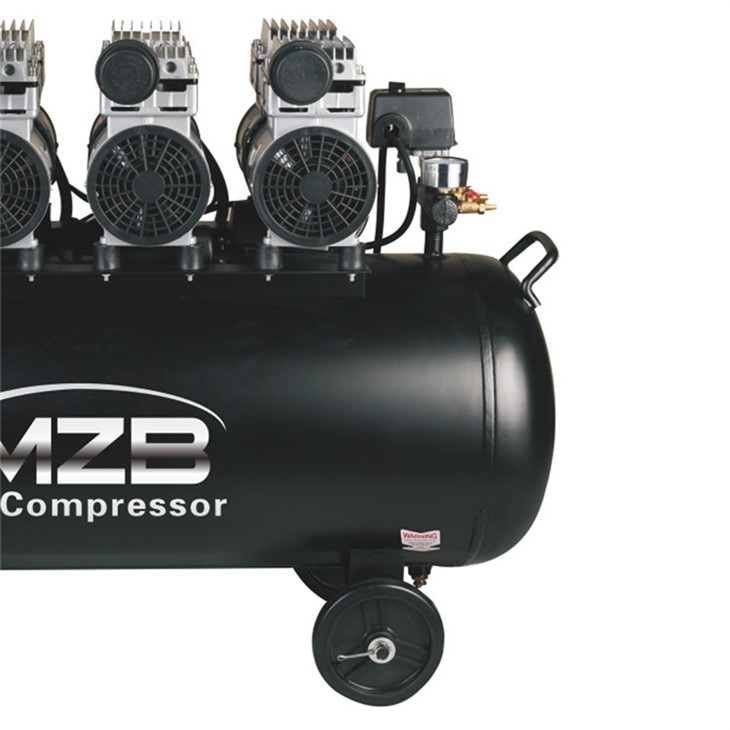
Oil - free compressors are a great option if you're concerned about oil contamination in the air. These compressors don't use oil for lubrication, so there's no risk of oil getting into your dental instruments. You can check out our Super Silent Air Compressor, which is not only quiet but also oil - free, ensuring clean air output.
High - Pressure Compressors
For some dental procedures, you need high - pressure air. A 8 Bar High Pressure Oil Free Air Compressor can provide the necessary pressure while maintaining good air quality. Make sure to choose a compressor with the right pressure rating for your specific needs.
In conclusion, optimizing the air quality output of your quiet dental air compressor is a multi - step process. It involves regular maintenance, proper installation, the use of air treatment systems, monitoring and testing, and choosing the right compressor. By following these tips, you can ensure that your patients are getting the cleanest, safest air possible during their dental procedures.
If you're in the market for a new quiet dental air compressor or need help with optimizing the air quality of your existing compressor, don't hesitate to reach out. We're here to help you find the best solutions for your dental practice. Let's talk about your needs and see how we can work together to improve your air quality and patient care.
References
- Compressed Air and Gas Institute (CAGI). Guidelines for Compressed Air Quality in Dental Applications.
- Dental Manufacturers of America (DMA). Best Practices for Dental Air Compressor Maintenance.
- International Organization for Standardization (ISO). ISO 7396 - 1:2016. Medical gas pipelines systems. Part 1: General requirements for pipeline systems for medical gases and vacuum.