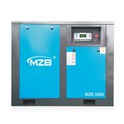

Hey there! As a supplier of screw air compressors, I often get asked about the typical warranty period for these machines. So, I thought I'd take a few minutes to chat about it and share some insights based on my experience in the industry.
First off, let's talk about what a screw air compressor is. A Screw Type Air Compressor is a type of positive displacement compressor that uses two meshing helical screws, known as rotors, to compress the air. These compressors are widely used in various industries, including manufacturing, automotive, and construction, because they're efficient, reliable, and can deliver a steady supply of compressed air.
There are different types of screw air compressors, like the Three Phase Screw Air Compressor and the Rotary Screw Air Compressor. Each type has its own features and benefits, but they all have one thing in common: they need to be well - maintained and protected by a good warranty.


Now, the typical warranty period for a screw air compressor can vary quite a bit. It usually ranges from 1 to 5 years, but in some cases, it could be even longer or shorter. A lot of factors come into play when determining the length of the warranty.
One of the main factors is the quality of the compressor itself. High - end, top - of - the - line screw air compressors often come with longer warranties. Manufacturers of these premium compressors are confident in the durability and reliability of their products, so they're willing to stand behind them for a longer time. For example, if a compressor is made with high - quality materials, advanced manufacturing techniques, and has undergone rigorous testing, the manufacturer can offer a 3 - 5 year warranty. On the other hand, more budget - friendly models might only come with a 1 - 2 year warranty.
The usage and application of the compressor also matter. If the compressor is going to be used in a harsh environment, like a construction site where there's a lot of dust, dirt, and vibrations, or in a high - demand industrial setting where it runs continuously, the warranty period might be shorter. The manufacturer knows that these conditions can put more stress on the compressor and increase the likelihood of wear and tear. In contrast, if the compressor is used in a clean, low - stress environment, such as a small workshop with intermittent use, a longer warranty might be offered.
Another factor is the brand and reputation of the manufacturer. Well - established and reputable brands tend to offer more generous warranties. They've built their name on providing high - quality products and good customer service, and a long warranty is a way to show their commitment to customer satisfaction. Lesser - known brands might offer shorter warranties either because they're trying to cut costs or because they're not as confident in the long - term performance of their products.
Let's break down what's usually covered under a warranty. Most warranties for screw air compressors cover defects in materials and workmanship. This means that if there's a problem with the compressor because of a faulty part or a mistake in the manufacturing process, the manufacturer will repair or replace the defective component at no cost to the customer. However, it's important to note that normal wear and tear is usually not covered. For example, if the compressor's filters need to be replaced regularly, that's considered normal maintenance and not something the warranty will cover.
Some warranties might also cover labor costs for repairs. This is a great benefit because labor can be a significant expense when it comes to fixing a compressor. But again, this varies from manufacturer to manufacturer. Some might only cover the cost of the parts, while others will cover both parts and labor.
It's also crucial to understand the terms and conditions of the warranty. There are often certain requirements that the customer has to meet to keep the warranty valid. For instance, regular maintenance is usually a must. The manufacturer might specify that the compressor needs to be serviced at certain intervals, using only approved parts and lubricants. If the customer fails to follow these maintenance guidelines, the warranty could be voided.
So, how can you make the most of the warranty? First, read the warranty document carefully. Make sure you understand what's covered, what's not, and what your responsibilities are. Keep all your maintenance records. This will not only help you prove that you've followed the maintenance schedule but also give you a good overview of the compressor's performance over time.
If you have any questions about the warranty or the compressor itself, don't hesitate to reach out to the manufacturer or your supplier. We're here to help you understand and make the best use of your investment.
As a supplier, I always recommend that customers choose a compressor with a warranty that suits their needs. If you're planning to use the compressor in a demanding environment or for a long - term project, it's worth investing in a model with a longer warranty. It might cost a bit more upfront, but it can save you a lot of money and headaches in the long run.
In conclusion, the typical warranty period for a screw air compressor is influenced by many factors, including the quality of the compressor, its usage, and the brand of the manufacturer. By understanding these factors and the terms of the warranty, you can make an informed decision when purchasing a screw air compressor.
If you're in the market for a screw air compressor, I'd love to have a chat with you. Whether you're looking for a Screw Type Air Compressor, a Three Phase Screw Air Compressor, or a Rotary Screw Air Compressor, I can help you find the right model with the best warranty for your needs. Just reach out, and we can start the conversation about your compressor requirements.
References:
- Industry knowledge and experience as a screw air compressor supplier.
- Various compressor manufacturer brochures and warranty documents.