


Hey there! As a supplier of Electric Motor for Air Compressor, I've been thinking a lot about the environmental impacts of these motors. In this blog, I'm gonna break down the good, the bad, and the ugly when it comes to how these motors affect our planet.
Let's start with the basics. Electric motors are the heart of air compressors, powering them to do all sorts of jobs, from inflating tires to running industrial machinery. They work by converting electrical energy into mechanical energy, which in turn drives the compressor. But how does this process stack up in terms of the environment?
Energy Efficiency
One of the biggest environmental benefits of electric motors for air compressors is their energy efficiency. Compared to traditional combustion engines, electric motors are generally more efficient at converting energy. This means they use less electricity to do the same amount of work, which translates to lower energy consumption and reduced greenhouse gas emissions.
Modern electric motors are designed with advanced technologies like variable frequency drives (VFDs) that allow them to adjust their speed based on the load requirements. This means they can operate at optimal efficiency, reducing energy waste. For example, if an air compressor only needs to run at half capacity, the electric motor can slow down, using less power. Over time, these small savings can add up to significant energy and cost savings, while also reducing the carbon footprint.
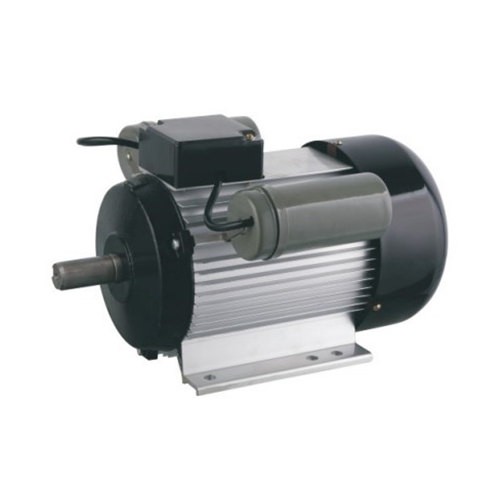
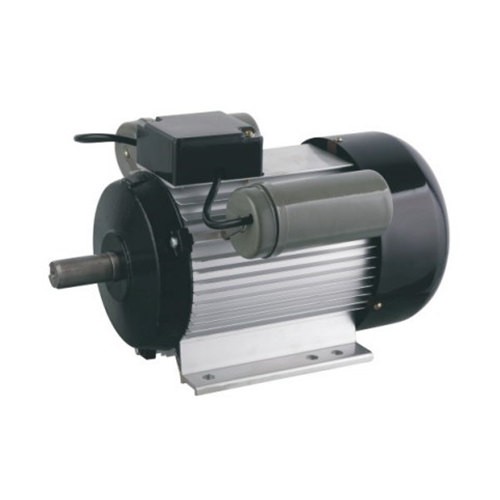
If you're in the market for an energy - efficient electric motor for your air compressor, check out our Electric Motor for Air Compressor.
Reduced Emissions
Another major plus is the lack of direct emissions. Unlike gasoline or diesel engines, electric motors don't burn fuel on - site, so they don't produce harmful pollutants like carbon monoxide, nitrogen oxides, and particulate matter. This is a huge win for air quality, especially in indoor environments where air compressors are commonly used.
In industrial settings, the use of electric motors for air compressors can contribute to a cleaner and healthier workplace. Workers are less likely to be exposed to toxic fumes, which can lead to respiratory problems and other health issues. And on a larger scale, widespread adoption of electric motors can help cities and regions meet their air quality targets.
Manufacturing and Disposal
However, it's not all sunshine and rainbows. The manufacturing process of electric motors for air compressors has its own environmental impacts. The production of raw materials like copper, aluminum, and rare - earth metals requires a significant amount of energy and can cause environmental damage. Mining operations can lead to deforestation, soil erosion, and water pollution.
When it comes to disposal, electric motors also pose a challenge. They contain various materials that need to be properly recycled or disposed of to prevent environmental contamination. If not handled correctly, the heavy metals and other toxic substances in the motors can leach into the soil and water, posing a threat to ecosystems and human health.
To mitigate these issues, some manufacturers are taking steps to improve the sustainability of their production processes. They're using recycled materials, reducing waste, and implementing more efficient manufacturing techniques. And when it comes to disposal, there are recycling programs in place to ensure that the valuable materials in the motors are recovered and reused.
Noise Pollution
Noise pollution is another aspect to consider. While electric motors are generally quieter than combustion engines, they still produce some level of noise. In industrial settings, the constant hum of air compressors can be a nuisance to workers and nearby residents. Prolonged exposure to high - level noise can cause hearing loss, stress, and other health problems.
To address this, manufacturers are designing quieter electric motors. They're using advanced insulation materials and better engineering techniques to reduce vibrations and noise levels. Some air compressors also come with sound - proof enclosures to further dampen the noise.
Impact on the Grid
The increased demand for electric motors for air compressors can also put a strain on the electrical grid. If a large number of air compressors are running simultaneously, it can lead to peak demand periods, which may require additional power generation. This can be a problem if the power is generated from fossil fuels, as it will increase greenhouse gas emissions.
However, with the growing adoption of renewable energy sources like solar and wind power, this issue can be mitigated. By using renewable energy to power electric motors for air compressors, we can further reduce the environmental impact and move towards a more sustainable future.
Types of Electric Motors and Their Environmental Impact
There are different types of electric motors used in air compressors, such as single - phase and three - phase motors.
Single Phase Motor for Air Compressor is commonly used in smaller air compressors, typically for home or light - commercial use. They're relatively simple and inexpensive, but they may not be as energy - efficient as three - phase motors.
On the other hand, Three Phase Motor for Screw Air Compressor is more commonly used in industrial applications. They're more powerful and efficient, especially for larger air compressors. Three - phase motors can handle higher loads and are better suited for continuous operation, which can lead to energy savings in the long run.
Conclusion
In conclusion, electric motors for air compressors have both positive and negative environmental impacts. On the one hand, they offer energy efficiency, reduced emissions, and quieter operation. On the other hand, their manufacturing, disposal, and impact on the grid are areas that need improvement.
As a supplier, we're committed to providing high - quality electric motors that are as environmentally friendly as possible. We're constantly looking for ways to improve our products and reduce their environmental footprint.
If you're interested in learning more about our electric motors for air compressors or have any questions about their environmental impact, feel free to reach out to us. We'd be happy to discuss your needs and help you find the right solution for your application. Whether you're a small business owner or an industrial giant, we've got the expertise and products to meet your requirements. Let's work together to make a positive impact on the environment while keeping your operations running smoothly.
References
- DOE. (Department of Energy). Energy Efficiency and Renewable Energy. "Motor Systems Market Assessment".
- EPA. (Environmental Protection Agency). "Air Quality and Industrial Emissions".
- IEEE. (Institute of Electrical and Electronics Engineers). "Research on Electric Motor Efficiency and Sustainability".


