


Hey there! As a supplier of motors for air compressors, I've been in the thick of it, dealing with all sorts of electrical supply requirements for these motors. It's a topic that's super important, and I'm stoked to share what I've learned with you.
First off, let's talk about the basics. Air compressors are used in a ton of different industries, from manufacturing to construction, and even in some home workshops. And the motor that powers the air compressor is the heart of the whole operation. So, getting the electrical supply right is crucial for the motor to work efficiently and last a long time.
Voltage Requirements
One of the most fundamental requirements for the electrical supply of a motor for an air compressor is the voltage. Motors come in different voltage ratings, and it's essential to match the motor's voltage requirement with the available electrical supply.
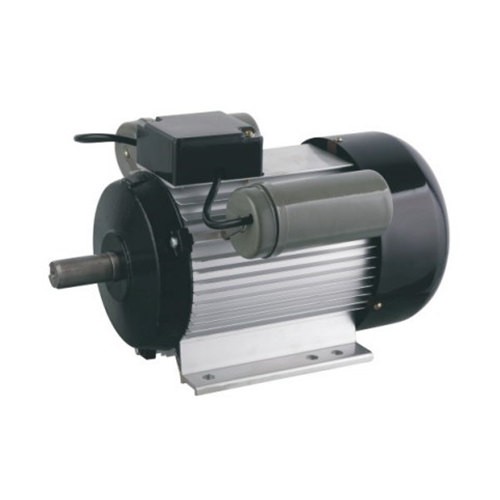
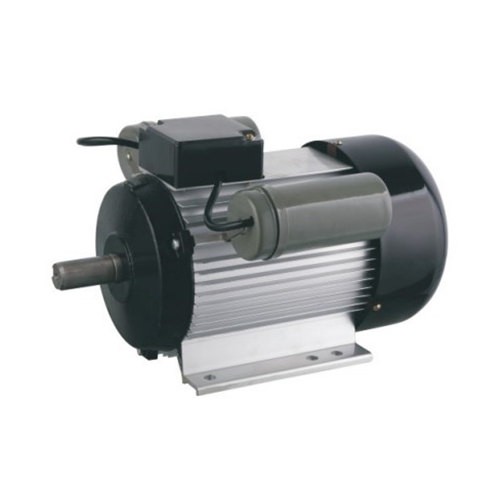
For smaller air compressors, especially those used in home settings or small workshops, single - phase motors are quite common. You can check out our Single Phase Motor for Air Compressor options. These motors typically operate on standard household voltages, like 110V or 220V. In North America, 110V is widely used for smaller appliances, while in many other parts of the world, 220V is the norm.
On the other hand, larger industrial air compressors often use three - phase motors. Our Three Phase Motor for Screw Air Compressor is a great example. Three - phase power is more efficient for high - power applications and is commonly available in industrial settings. The standard voltages for three - phase systems can be 208V, 230V, 460V, or even higher, depending on the region and the specific industrial setup.
It's really important to double - check the voltage requirements of the motor and make sure your electrical supply can provide the right voltage. Using the wrong voltage can lead to all sorts of problems, like the motor not starting properly, overheating, or even burning out.
Frequency
Another key factor is the frequency of the electrical supply. In most parts of the world, the standard frequency is either 50Hz or 60Hz. In the United States and a few other countries, 60Hz is the norm, while in many other countries, including most of Europe and Asia, 50Hz is used.
Motors are designed to operate at a specific frequency. If you try to run a motor designed for 60Hz on a 50Hz supply, or vice versa, it can cause issues. The motor might not run at the correct speed, which can affect the performance of the air compressor. For example, if a motor runs slower than it's supposed to, the air compressor might not be able to generate enough pressure.
So, when you're choosing a motor for your air compressor, make sure the frequency of the motor matches the frequency of your electrical supply. It's a simple thing, but it can make a huge difference in how well your air compressor works.
Power and Current
The power and current requirements of the motor are also super important. The power of a motor is usually measured in horsepower (HP) or kilowatts (kW). The power rating of the motor determines how much work it can do, and it needs to be sufficient to drive the air compressor.
When it comes to current, the motor draws a certain amount of current from the electrical supply to operate. You need to make sure that your electrical system can handle the current draw of the motor. If the electrical supply can't provide enough current, the motor might not start or might run inefficiently.
For example, if you have a large air compressor with a high - power motor, it will draw a significant amount of current when it starts up. This is called the inrush current. Your electrical system needs to be able to handle this inrush current without tripping the circuit breakers.
Our Electric Motor for Air Compressor comes in different power ratings, so you can choose the one that best suits your air compressor's needs.
Electrical Protection
Electrical protection is a must - have for the motor of an air compressor. There are several types of electrical protection devices that you should consider.
Overload protection is one of the most important. It prevents the motor from overheating due to excessive current draw. If the motor is overloaded, for example, if the air compressor is working too hard or there's a mechanical problem, the overload protection device will trip and cut off the power to the motor.
Short - circuit protection is also crucial. It protects the motor and the electrical system from damage in case of a short circuit. A short circuit can cause a huge surge of current, which can damage the motor and other components.
Ground fault protection is another important safety feature. It helps protect against electrical shocks in case there's a fault in the motor or the electrical system.
Power Quality
The quality of the electrical supply is often overlooked but can have a big impact on the performance and lifespan of the motor. Power quality issues like voltage sags, surges, and harmonics can cause problems for the motor.
Voltage sags are temporary drops in voltage, which can cause the motor to slow down or even stall. Voltage surges, on the other hand, are sudden increases in voltage that can damage the motor's insulation and other components.
Harmonics are distortions in the electrical waveform. They can be caused by non - linear loads in the electrical system, like electronic devices. Harmonics can cause the motor to overheat, increase energy consumption, and reduce the efficiency of the air compressor.
To deal with power quality issues, you might need to use power conditioning equipment, like voltage regulators or harmonic filters.
Starting Methods
The way the motor starts is also related to the electrical supply requirements. There are different starting methods for motors, and each has its own electrical requirements.
Direct - on - line (DOL) starting is the simplest method. In this method, the motor is connected directly to the electrical supply when it starts. However, this can cause a large inrush current, which might be a problem for some electrical systems.
Star - delta starting is another common method, especially for larger three - phase motors. In star - delta starting, the motor is initially connected in a star configuration, which reduces the starting current. Then, after a short time, it's switched to a delta configuration for normal operation.
Soft starters are also used to reduce the inrush current during motor starting. They gradually increase the voltage applied to the motor, which allows for a smoother start.
Conclusion
So, there you have it! The electrical supply requirements for a motor for an air compressor are quite complex, but they're all important for the proper operation and longevity of the motor. From voltage and frequency to power, current, protection, power quality, and starting methods, every aspect needs to be considered.
If you're in the market for a motor for your air compressor, we've got a wide range of options to choose from. Whether you need a single - phase motor for a small air compressor or a three - phase motor for an industrial application, we can help.
If you have any questions or want to discuss your specific requirements, don't hesitate to reach out. We're here to help you find the perfect motor for your air compressor and ensure that it works great with your electrical supply.
References
- Electrical Engineering textbooks on motor operation and power systems.
- Manufacturer's manuals for motors and air compressors.


