


Hey there! As a supplier of C Type Air Compressors, I'm super stoked to share with you how to install one of these bad boys. Whether you're a DIY enthusiast or a professional looking to get the job done right, this guide will walk you through the process step by step.
Before You Start
First things first, safety is key. Make sure you've got the right tools on hand. You'll need a socket set, a wrench, a level, and a grounding wire. It's also a good idea to wear safety goggles and gloves to protect yourself from any potential hazards.
Another important thing to consider is the location where you'll be installing the compressor. You want to pick a spot that's well-ventilated, dry, and away from any sources of heat or moisture. The compressor needs plenty of room to breathe, so make sure there's at least a foot of clearance around all sides.
Unpacking and Inspection
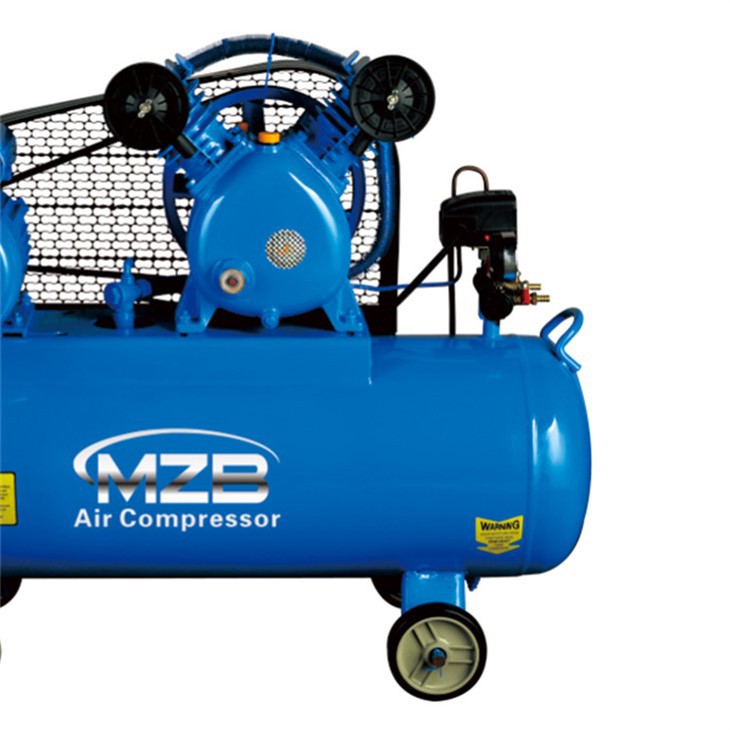
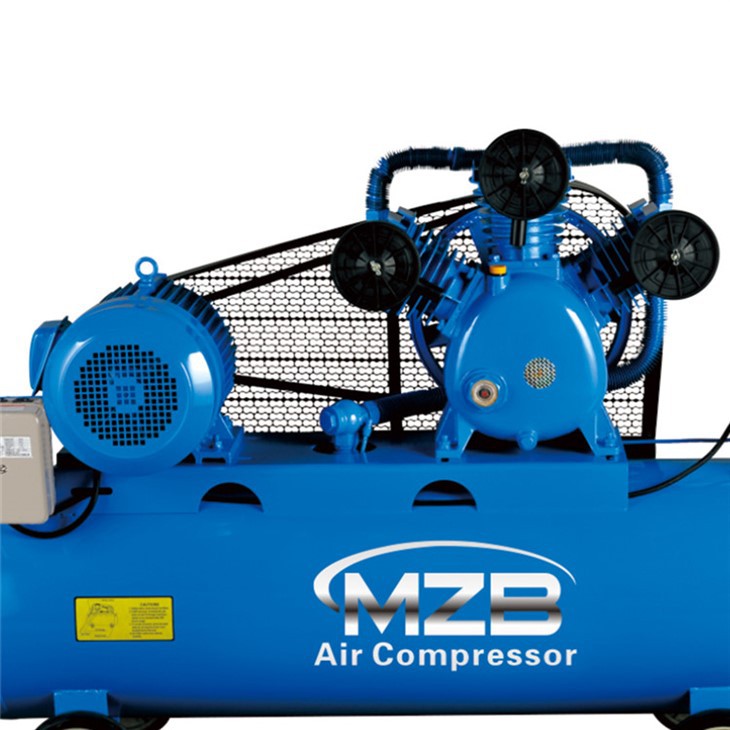
Once you've got your C Type Air Compressor delivered, it's time to unpack it and give it a good once-over. Carefully remove all the packaging materials and check for any signs of damage during shipping. Look for dents, scratches, or loose parts. If you find anything that looks off, don't hesitate to contact us right away. We're here to make sure you get a top-quality product.
Mounting the Compressor
Now, let's get to the actual installation. The first step is to mount the compressor on a stable surface. You can use a concrete floor or a sturdy platform. Make sure the surface is level using a level tool. If it's not level, the compressor might vibrate excessively, which can lead to premature wear and tear.
Use the mounting holes on the base of the compressor and the appropriate bolts to secure it in place. Tighten the bolts firmly, but be careful not to over-tighten them, as this could damage the compressor or the mounting surface.
Electrical Connection
Next up is the electrical connection. It's crucial to follow all the electrical codes and safety regulations in your area. The C Type Air Compressor usually comes with a detailed wiring diagram in the user manual. Make sure you read it carefully before you start wiring.
First, turn off the power supply to the area where you'll be working. Then, connect the grounding wire to the compressor's grounding terminal. This is an important safety measure that helps prevent electrical shocks.
After that, connect the power cord to the appropriate electrical outlet. Make sure the voltage and amperage of the outlet match the requirements of the compressor. If you're not sure, consult an electrician.
Air Intake and Exhaust
The air intake and exhaust are vital for the proper functioning of the compressor. The air intake should be located in a clean, dust-free area. You can use a filter to prevent dirt and debris from entering the compressor.
The exhaust needs to be directed outside or into a well-ventilated area. This helps remove the hot air generated by the compressor and keeps the temperature inside the compressor at a safe level.
Piping Installation
If you're planning to use the compressor with a pneumatic system, you'll need to install the piping. Start by choosing the right type of piping material. PVC or metal pipes are commonly used. Make sure the pipes are the right size and have the appropriate fittings.
Connect the pipes to the compressor's air outlet using the fittings. Tighten the connections securely to prevent air leaks. You can use Teflon tape on the threads of the fittings to ensure a better seal.
Testing the Compressor
Once you've completed all the installation steps, it's time to test the compressor. Turn on the power supply and let the compressor run for a few minutes. Listen for any unusual noises or vibrations. Check the pressure gauge to make sure the compressor is building up pressure properly.
If you notice any problems, such as air leaks, strange noises, or the compressor not starting, turn off the power immediately and check your installation. You can also refer to the user manual or contact our technical support team for assistance.
Maintenance Tips
To keep your C Type Air Compressor running smoothly for years to come, regular maintenance is essential. Here are some simple maintenance tips:
- Check the oil level regularly: If your compressor is oil-lubricated, make sure the oil level is within the recommended range. Change the oil according to the manufacturer's instructions.
- Clean the air filter: A dirty air filter can reduce the efficiency of the compressor. Clean or replace the air filter regularly.
- Inspect the belts and hoses: Check the belts and hoses for signs of wear and tear. Replace them if necessary.
- Drain the moisture: Condensation can build up in the compressor tank. Drain the moisture regularly to prevent rust and corrosion.
Conclusion
Installing a C Type Air Compressor might seem like a daunting task, but with the right tools, knowledge, and a little patience, you can do it yourself. Remember, if you have any questions or need further assistance, don't hesitate to reach out to us. We're a C Type Piston Air Compressor supplier dedicated to providing you with the best products and support.
If you're in the market for a high-quality C Type Air Compressor or looking to upgrade your existing one, check out our C Type Piston Air Compressor offerings. We've got a wide range of models to suit your needs and budget.
We'd love to hear from you and discuss your specific requirements. Whether you're a small business owner or a large industrial operation, we can help you find the perfect compressor for your application. So, don't wait any longer. Contact us today to start the procurement process and take your pneumatic system to the next level!
References
- Manufacturer's user manual for C Type Air Compressor
- Local electrical codes and safety regulations


