
Hey there! As a supplier of Oil Free Portable Air Compressors, I often get asked about the efficiency rating of these nifty machines. So, let's dive right in and break it down.
First off, what exactly is an oil-free portable air compressor? Well, it's a type of compressor that doesn't require oil for lubrication. This makes it a great choice for a bunch of reasons. For one, it's more environmentally friendly since there's no oil to leak or contaminate the air. It's also easier to maintain because you don't have to worry about changing the oil regularly. And of course, it's portable, which means you can take it with you wherever you need it, whether it's for a DIY project at home or a job site on the go.
Now, let's talk about efficiency ratings. The efficiency of an air compressor is usually measured in terms of how much air it can deliver at a certain pressure, and how much power it uses to do so. The most common way to measure this is by looking at the compressor's CFM (Cubic Feet per Minute) and HP (Horsepower).
CFM tells you how much air the compressor can move in a minute. The higher the CFM, the more air it can deliver, which means it can fill up your tools or tanks faster. HP, on the other hand, measures the power of the compressor's motor. A higher HP generally means the compressor can work harder and deliver more air, but it also means it will use more electricity.
So, how do you figure out the efficiency rating of an oil-free portable air compressor? Well, one way is to look at the CFM-to-HP ratio. A good rule of thumb is that a more efficient compressor will have a higher CFM for a given HP. For example, if you have two compressors with the same HP, but one has a higher CFM, that one is probably more efficient.
Another thing to consider is the duty cycle. The duty cycle is the amount of time the compressor can run continuously before it needs to rest. A compressor with a higher duty cycle can run for longer periods without overheating, which means it can get more work done in less time. This is especially important if you're using the compressor for heavy-duty tasks.
Let's take a look at some of the factors that can affect the efficiency rating of an oil-free portable air compressor.

1. Compressor Design
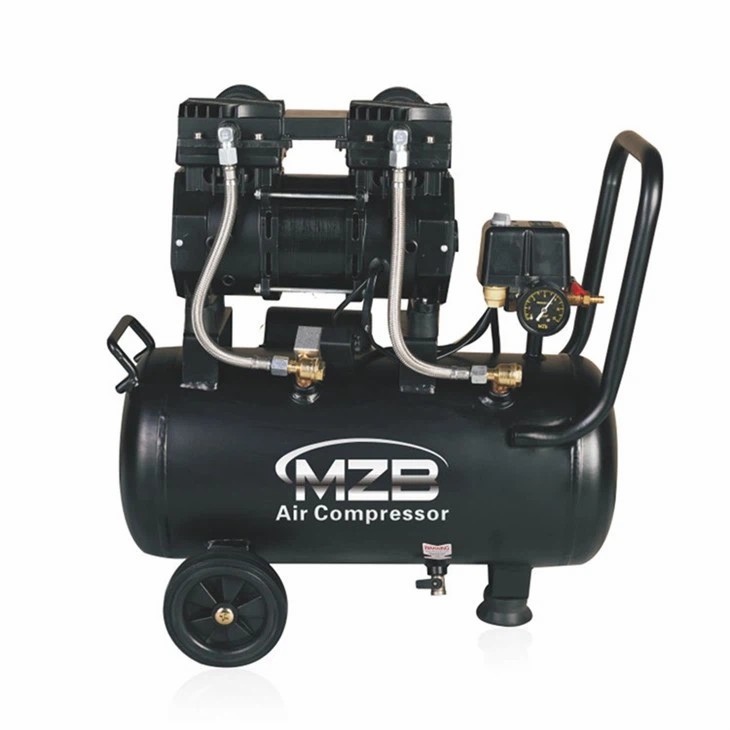
The design of the compressor plays a big role in its efficiency. For example, a compressor with a well-designed piston and cylinder can compress air more effectively, which means it can deliver more CFM with less HP. Some compressors also have features like variable speed motors, which can adjust the compressor's speed based on the demand for air. This can help save energy and improve efficiency.
2. Air Intake and Filtration
The quality of the air intake and filtration system can also affect the compressor's efficiency. A clean air intake ensures that the compressor is getting enough air to operate properly. If the air intake is clogged or dirty, the compressor will have to work harder to draw in air, which can reduce its efficiency. A good filtration system can also help prevent dirt and debris from entering the compressor, which can damage the internal components and reduce its lifespan.
3. Pressure Regulation
Proper pressure regulation is essential for maintaining the efficiency of an air compressor. If the pressure is set too high, the compressor will use more energy to maintain that pressure, even if it's not necessary. On the other hand, if the pressure is set too low, the compressor may not be able to deliver enough air to power your tools. So, it's important to set the pressure correctly and make sure it stays within the recommended range.
Now, let's talk about some of the products we offer as an Oil Free Portable Air Compressor supplier.
We have the 8 Bar High Pressure Oil Free Air Compressor. This compressor is designed to deliver high-pressure air, making it ideal for applications that require a lot of power. It has a high CFM rating and a good duty cycle, which means it can work hard and get the job done quickly.
Another great product is the 3 Cylinder Oil Free Air Compressor. With three cylinders, this compressor can deliver a large amount of air at a relatively low pressure. It's perfect for tasks that require a continuous supply of air, such as painting or sandblasting.
And of course, we also have the Oilless Air Compressor. This is a versatile compressor that can be used for a wide range of applications, from small DIY projects to light industrial work. It's easy to use and maintain, and it's very efficient.
In conclusion, the efficiency rating of an oil-free portable air compressor is an important factor to consider when choosing a compressor. By looking at the CFM, HP, duty cycle, and other factors, you can get a good idea of how efficient a compressor is. And if you're in the market for an oil-free portable air compressor, we have a great selection of products to choose from.
If you're interested in learning more about our products or have any questions about the efficiency rating of our oil-free portable air compressors, feel free to reach out. We're here to help you find the right compressor for your needs and answer any questions you may have. Whether you're a professional contractor or a DIY enthusiast, we can provide you with the information and support you need to make an informed decision. So, don't hesitate to contact us for more details and to start the procurement process. We look forward to working with you!
References
- Compressed Air and Gas Institute (CAGI) standards for air compressor performance
- Manufacturer's specifications for oil-free portable air compressors