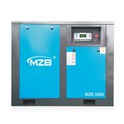

As a supplier of high pressure air compressors, I understand the significance of proper maintenance to ensure the longevity and efficient operation of these powerful machines. High pressure air compressors are widely used in various industries, including manufacturing, automotive, and aerospace, where reliable compressed air is essential for a multitude of applications. In this blog post, I will discuss the key maintenance requirements for high pressure air compressors, providing valuable insights to help you keep your equipment in top condition.
Regular Inspections
Regular inspections are the cornerstone of effective maintenance for high pressure air compressors. These inspections should be conducted at predetermined intervals, depending on the manufacturer's recommendations and the intensity of use. Visual inspections can help identify potential issues before they escalate into major problems, saving you time and money in the long run.
During a visual inspection, check for any signs of wear, damage, or leaks in the compressor components. Look for loose or missing bolts, cracked hoses, and worn-out seals. Pay close attention to the compressor's intake and exhaust valves, as these are critical components that can affect the compressor's performance. Additionally, inspect the compressor's lubrication system, ensuring that the oil level is within the recommended range and that the oil is clean and free of contaminants.
In addition to visual inspections, it is also important to perform regular performance checks on your high pressure air compressor. This includes monitoring the compressor's pressure, temperature, and flow rate. Any significant deviations from the normal operating parameters could indicate a problem with the compressor, and further investigation may be required.
Lubrication
Proper lubrication is essential for the smooth operation of high pressure air compressors. Lubricating oil helps reduce friction between moving parts, preventing wear and tear and extending the lifespan of the compressor. It also helps dissipate heat, keeping the compressor cool and preventing overheating.
When selecting a lubricating oil for your high pressure air compressor, it is important to choose a product that is specifically designed for use in high pressure applications. These oils are formulated to withstand the high temperatures and pressures generated by the compressor, providing superior protection and performance. Additionally, make sure to follow the manufacturer's recommendations regarding the type and frequency of oil changes.
Regular oil changes are crucial for maintaining the quality of the lubricating oil and ensuring the proper functioning of the compressor. Over time, the oil can become contaminated with dirt, debris, and other contaminants, which can reduce its effectiveness and cause damage to the compressor. By changing the oil at the recommended intervals, you can prevent these issues and keep your compressor running smoothly.


Air Filter Maintenance
The air filter is an important component of the high pressure air compressor, as it helps prevent dirt, dust, and other contaminants from entering the compressor. A dirty or clogged air filter can restrict the airflow to the compressor, reducing its efficiency and increasing the risk of damage.
To ensure the proper functioning of the air filter, it is important to clean or replace it regularly. The frequency of cleaning or replacement will depend on the operating conditions and the type of air filter used. In general, it is recommended to clean or replace the air filter every 500 to 1,000 operating hours, or more frequently if the compressor is operating in a dusty or dirty environment.
When cleaning or replacing the air filter, make sure to follow the manufacturer's instructions carefully. Use a clean, dry cloth or a soft brush to remove any dirt or debris from the filter. If the filter is severely clogged or damaged, it may need to be replaced. Additionally, make sure to check the air filter housing for any signs of damage or leaks, and replace any worn or damaged parts as needed.
Cooler Maintenance
High pressure air compressors generate a significant amount of heat during operation, and it is important to have an effective cooling system in place to prevent overheating. The cooler is a key component of the cooling system, as it helps dissipate the heat generated by the compressor.
To ensure the proper functioning of the cooler, it is important to keep it clean and free of debris. Over time, dirt, dust, and other contaminants can accumulate on the cooler fins, reducing its efficiency and preventing it from effectively dissipating heat. To clean the cooler, use a soft brush or a compressed air gun to remove any dirt or debris from the fins. Additionally, make sure to check the cooler for any signs of damage or leaks, and replace any worn or damaged parts as needed.
In addition to cleaning the cooler, it is also important to monitor the coolant level and temperature. The coolant helps absorb the heat generated by the compressor and transfer it to the cooler. If the coolant level is low or the temperature is too high, it could indicate a problem with the cooling system, and further investigation may be required.
Belt and Pulley Maintenance
Many high pressure air compressors use belts and pulleys to transmit power from the motor to the compressor. These components are subject to wear and tear over time, and it is important to inspect them regularly to ensure they are in good condition.
During a visual inspection, check the belts for any signs of wear, such as cracks, fraying, or stretching. If the belts are worn or damaged, they should be replaced immediately to prevent them from breaking and causing damage to the compressor. Additionally, check the pulleys for any signs of damage or misalignment, and adjust or replace them as needed.
Proper tensioning of the belts is also important for the efficient operation of the compressor. If the belts are too loose, they may slip, reducing the power transmission and causing the compressor to operate inefficiently. If the belts are too tight, they may put excessive stress on the motor and other components, leading to premature wear and failure. To ensure the proper tensioning of the belts, use a belt tension gauge to measure the tension and adjust it as needed.
Valve Maintenance
The valves in a high pressure air compressor play a crucial role in controlling the flow of air into and out of the compressor. Over time, these valves can become worn or damaged, which can affect the compressor's performance and efficiency.
Regular valve inspections are important to ensure that the valves are functioning properly. During an inspection, check the valves for any signs of wear, such as leaks, sticking, or improper seating. If the valves are worn or damaged, they should be replaced immediately to prevent them from causing further damage to the compressor.
In addition to regular inspections, it is also important to clean the valves periodically to remove any dirt or debris that may have accumulated on them. This can help prevent the valves from sticking and ensure that they open and close properly. To clean the valves, use a soft brush or a compressed air gun to remove any dirt or debris from the valve surfaces.
Electrical System Maintenance
The electrical system in a high pressure air compressor is responsible for providing power to the motor and other components. It is important to maintain the electrical system to ensure the safe and efficient operation of the compressor.
Regular electrical inspections are important to check for any signs of damage or wear in the electrical components. This includes checking the wiring, connectors, and switches for any signs of fraying, corrosion, or loose connections. If any electrical components are damaged or worn, they should be replaced immediately to prevent them from causing a short circuit or other electrical problems.
In addition to regular inspections, it is also important to keep the electrical system clean and free of dirt and debris. This can help prevent the electrical components from overheating and ensure that they operate efficiently. To clean the electrical system, use a soft brush or a compressed air gun to remove any dirt or debris from the electrical components.
Conclusion
Proper maintenance is essential for the reliable and efficient operation of high pressure air compressors. By following the maintenance requirements outlined in this blog post, you can ensure that your compressor operates at its best and has a long lifespan. Regular inspections, lubrication, air filter maintenance, cooler maintenance, belt and pulley maintenance, valve maintenance, and electrical system maintenance are all important aspects of high pressure air compressor maintenance.
If you have any questions or need further assistance with the maintenance of your high pressure air compressor, please do not hesitate to contact us. As a leading supplier of Heavy Duty Air Compressor, Three Phase High Pressure Compressor, and High Pressure Compressor with Lubricating Oil, we have the expertise and experience to help you keep your equipment in top condition. Whether you need advice on maintenance procedures, replacement parts, or technical support, our team of experts is here to assist you. Contact us today to discuss your high pressure air compressor needs and explore how we can help you optimize the performance and reliability of your equipment.
References
- Compressed Air and Gas Institute (CAGI). (n.d.). Compressed Air System Maintenance Best Practices. Retrieved from [CAGI Website]
- Ingersoll Rand. (n.d.). High Pressure Air Compressor Maintenance Guide. Retrieved from [Ingersoll Rand Website]
- Sullair. (n.d.). Air Compressor Maintenance Tips. Retrieved from [Sullair Website]