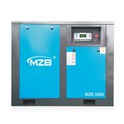

Troubleshooting a vertical tank air compressor that won't start can be a daunting task, but with the right guidance, you can diagnose and resolve the issue efficiently. As a supplier of high-quality vertical tank air compressors, including the Direct Driven Vertical Tank Air Compressor and Efficient Vertical Tank Air Compressor, I understand the importance of getting your equipment up and running. In this blog post, I'll share some common causes and solutions for a non-starting vertical tank air compressor.
Power Supply Issues
The first thing to check when your vertical tank air compressor won't start is the power supply. A lack of power can prevent the compressor from starting, and it's often an easy fix.
Check the Power Cord
Inspect the power cord for any visible damage, such as cuts, frays, or exposed wires. If you find any damage, replace the power cord immediately to avoid electrical hazards. Make sure the power cord is securely plugged into a working electrical outlet. You can test the outlet by plugging in another device, such as a lamp, to ensure it's providing power.
Circuit Breaker or Fuse
Check the circuit breaker or fuse that controls the electrical circuit where the air compressor is plugged in. If the breaker has tripped or the fuse has blown, it could be due to an overload or a short circuit in the compressor. Reset the breaker or replace the fuse, but be cautious. If the breaker trips or the fuse blows again, there may be a more serious issue with the compressor that requires professional attention.
Voltage Requirements
Verify that the electrical outlet provides the correct voltage for your air compressor. Most vertical tank air compressors operate on either 120V or 240V, and using the wrong voltage can prevent the compressor from starting or even damage it. Check the compressor's user manual or the label on the unit for the voltage requirements.
Pressure Switch Problems
The pressure switch is a crucial component of the air compressor that controls when the compressor starts and stops based on the air pressure in the tank. If the pressure switch is faulty, the compressor may not start.
Pressure Settings
Check the pressure settings on the pressure switch. The cut-in pressure is the pressure at which the compressor starts, and the cut-out pressure is the pressure at which it stops. Make sure the cut-in pressure is set correctly. If the pressure in the tank is already above the cut-in pressure, the compressor won't start until the pressure drops below that level.
Pressure Switch Contacts
Inspect the pressure switch contacts for signs of wear, corrosion, or damage. Over time, the contacts can become pitted or dirty, which can prevent them from making a proper electrical connection. You can clean the contacts using a fine-grit sandpaper or a contact cleaner. If the contacts are severely damaged, the pressure switch may need to be replaced.
Pressure Switch Calibration
If you suspect that the pressure switch is not calibrated correctly, you may need to adjust it. However, this should be done with caution, as improper calibration can lead to the compressor running continuously or not starting at all. Refer to the compressor's user manual for instructions on how to calibrate the pressure switch, or consult a professional technician.
Motor Issues
The motor is the heart of the air compressor, and any problems with it can prevent the compressor from starting.
Motor Overheating
If the motor has overheated, it may have a thermal overload protector that will automatically shut off the motor to prevent damage. Wait for the motor to cool down completely before attempting to restart the compressor. Overheating can be caused by factors such as a blocked air intake, a dirty air filter, or running the compressor for extended periods without proper ventilation.
Motor Capacitor
The motor capacitor provides an extra boost of power to start the motor. If the capacitor is faulty, the motor may not have enough power to start. You can test the capacitor using a multimeter to check its capacitance. If the capacitor is not within the specified range, it needs to be replaced.
Motor Windings
A short circuit or an open circuit in the motor windings can also prevent the motor from starting. Testing the motor windings requires specialized equipment and knowledge, so it's best to have a professional technician perform this test. If the motor windings are damaged, the motor may need to be replaced.
Belt or Coupling Problems
In some vertical tank air compressors, the motor is connected to the pump via a belt or a coupling. If there are issues with the belt or coupling, the compressor may not start.
Belt Tension
Check the belt tension. A loose belt can slip, preventing the motor from transferring power to the pump. If the belt is too loose, you can adjust the tension by moving the motor or the pump to tighten the belt. Refer to the compressor's user manual for instructions on how to adjust the belt tension.
Belt Condition
Inspect the belt for signs of wear, cracking, or damage. If the belt is worn out or damaged, it needs to be replaced. A damaged belt can also cause the compressor to make unusual noises or operate inefficiently.
Coupling Alignment
If your air compressor uses a coupling to connect the motor and the pump, check the alignment of the coupling. Misaligned couplings can cause excessive vibration, noise, and prevent the compressor from starting. You may need to realign the coupling using specialized tools or consult a professional technician.


Air Intake and Filter Blockages
A blocked air intake or a dirty air filter can restrict the airflow to the compressor, causing it to overheat and potentially preventing it from starting.
Air Intake
Inspect the air intake on the compressor for any obstructions, such as debris, dust, or dirt. Clear any blockages to ensure proper airflow. Make sure the area around the air intake is clean and free from any objects that could block the airflow.
Air Filter
Check the air filter to see if it's dirty or clogged. A dirty air filter can reduce the airflow to the compressor, making it work harder and potentially overheat. If the air filter is dirty, clean or replace it according to the manufacturer's recommendations. Regularly maintaining the air filter can extend the life of your compressor and improve its performance.
Other Possible Issues
There are several other factors that could cause a vertical tank air compressor not to start.
Oil Level
If your air compressor is an oil-lubricated model, check the oil level in the crankcase. Low oil levels can cause the compressor to overheat and may prevent it from starting. Add the recommended type and amount of oil if the level is low, but be careful not to overfill it.
Unloader Valve
The unloader valve is responsible for releasing the pressure in the pump when the compressor stops. If the unloader valve is stuck or not functioning properly, it can cause the compressor to have difficulty starting. You may need to clean or replace the unloader valve to resolve the issue.
Compressor Pump Seals
Worn or damaged compressor pump seals can cause air leaks, which can prevent the compressor from building up enough pressure to start. Inspect the pump seals for any signs of leakage or damage. If you find any issues, the seals may need to be replaced.
Conclusion
Troubleshooting a vertical tank air compressor that won't start can be a step-by-step process. By checking the power supply, pressure switch, motor, belt or coupling, air intake and filter, and other components, you can often identify and resolve the issue. However, if you're unsure or if the problem persists after trying these troubleshooting steps, it's best to seek the help of a professional technician.
As a supplier of high-quality vertical tank air compressors, we're committed to providing you with the best products and support. If you're in the market for a new vertical tank air compressor or need assistance with your existing one, we're here to help. Contact us to discuss your needs and explore our range of Direct Driven Vertical Tank Air Compressor and Efficient Vertical Tank Air Compressor. We look forward to working with you to find the perfect solution for your air compression needs.
References
- Air Compressor User Manuals
- Industry Standards and Guidelines for Air Compressor Maintenance and Troubleshooting