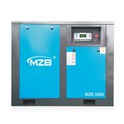

Hey there! As a supplier of Super Silent Air Compressors, I often get asked this question: “Do Super Silent Air Compressors require special oil?” Well, let's dig into this topic and find out.
First off, let's understand what a Super Silent Air Compressor is. These compressors are designed to operate quietly, making them ideal for environments where noise is a concern, like dental clinics, small workshops, or home garages. You can check out our Super Silent Air Compressor on our website to see the features and specifications.
Now, when it comes to oil requirements, it depends on the type of Super Silent Air Compressor. There are two main types: oil-lubricated and oil-free.
Oil - Lubricated Super Silent Air Compressors
Oil-lubricated compressors use oil for several important functions. The oil acts as a lubricant, reducing friction between moving parts inside the compressor. This not only helps the compressor run smoothly but also extends the lifespan of the components. It also helps in sealing the gaps between the piston and the cylinder wall, preventing air leakage and improving the compressor's efficiency.


In addition to lubrication and sealing, the oil also helps in cooling the compressor. As the compressor works, it generates heat, and the oil absorbs this heat and transfers it away from the critical components.
For oil-lubricated Super Silent Air Compressors, they do require special oil. The oil needs to have certain properties to perform these functions effectively. It should have good viscosity, which means it should be thick enough to provide proper lubrication but not so thick that it causes excessive resistance to the moving parts. The oil also needs to have good thermal stability, so it doesn't break down under high temperatures.
Most manufacturers recommend using high - quality compressor oil that meets specific industry standards. Using the wrong type of oil can lead to a variety of problems. For example, if the oil has poor viscosity, it may not provide adequate lubrication, which can cause increased wear and tear on the parts. This can result in noisy operation, reduced efficiency, and even premature failure of the compressor.
Oil - Free Super Silent Air Compressors
On the other hand, oil - free Super Silent Air Compressors, as the name suggests, do not use oil for lubrication. These compressors are designed with special materials and coatings on the moving parts to reduce friction without the need for oil. For instance, some use Teflon - coated pistons or other low - friction materials.
Our 3 Cylinder Oil Free Air Compressor is a great example of an oil - free option. These compressors are popular in applications where oil contamination of the compressed air is a concern, such as in the food and beverage industry, dental applications, and some medical settings.
Since oil - free compressors don't use oil for lubrication, they don't require special compressor oil. However, that doesn't mean they don't need any maintenance. They still need to have their filters changed regularly to ensure clean air intake and proper operation. The air filters prevent dust and debris from entering the compressor, which can damage the internal components.
Advantages and Disadvantages of Each Type
Oil - Lubricated Compressors
Advantages:
- Longer lifespan: The proper lubrication provided by the oil helps reduce wear and tear on the components, so the compressor can last for a long time.
- Higher efficiency: The oil helps in better sealing and heat transfer, which can improve the overall efficiency of the compressor.
- Suitable for heavy - duty applications: They can handle continuous and high - load operations better than oil - free compressors.
Disadvantages:
- Oil maintenance: You need to check and change the oil regularly, which can be a hassle.
- Risk of oil contamination: There is a small risk that the oil can contaminate the compressed air, which may not be suitable for some applications.
Oil - Free Compressors
Advantages:
- No oil maintenance: You don't have to worry about oil changes, which saves time and effort.
- Oil - free air output: Ideal for applications where oil - free air is required.
- Easier to use in clean environments: Since there is no oil, there is less mess and no risk of oil spills.
Disadvantages:
- Shorter lifespan: Without the lubricating effect of oil, the components may wear out faster, especially under heavy - duty use.
- Lower efficiency: They may not be as efficient as oil - lubricated compressors, especially for high - load operations.
Making the Right Choice
When choosing between an oil - lubricated and an oil - free Super Silent Air Compressor, you need to consider your specific needs. If you need a compressor for light - duty, intermittent use and require oil - free air, an oil - free compressor like our Oilless Air Compressor might be the right choice. However, if you have a heavy - duty application, such as running multiple pneumatic tools continuously, an oil - lubricated compressor would be more suitable.
In conclusion, whether a Super Silent Air Compressor requires special oil depends on its type. Oil - lubricated compressors definitely need special oil for proper operation, while oil - free compressors do not. Understanding these differences will help you make an informed decision when purchasing a compressor and ensure its long - term performance.
If you're interested in our Super Silent Air Compressors or have any questions about oil requirements, feel free to reach out to us. We're here to help you find the perfect compressor for your needs and guide you through the maintenance process. Let's start a conversation and see how we can assist you in your compressor purchase.
References:
- Compressor Handbook: A Guide to Compressor Technology and Applications
- Industry Standards for Air Compressors