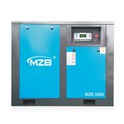

Dust is an omnipresent element in our environment, and its impact on industrial equipment, such as Rotary Screw Air Compressors, cannot be underestimated. As a supplier of Rotary Screw Air Compressors, I have witnessed firsthand the significant effects that dust can have on these machines. In this blog, we will delve into the various ways dust influences Rotary Screw Air Compressors and discuss how to mitigate these effects.
How Dust Enters a Rotary Screw Air Compressor
Before we explore the effects of dust, it's essential to understand how it gets into the compressor. Rotary Screw Air Compressors draw in large volumes of air from the surrounding environment to generate compressed air. During this intake process, dust particles present in the air are also pulled into the compressor system. These particles can range in size from large, visible debris to microscopic particles that are invisible to the naked eye.
The primary entry point for dust is the air intake filter. While the filter is designed to capture a significant portion of the dust, it is not 100% effective. Over time, the filter can become clogged, allowing more dust to pass through and enter the compressor. Additionally, if the filter is not properly maintained or replaced at regular intervals, its efficiency decreases, increasing the likelihood of dust entering the system.
Effects of Dust on a Rotary Screw Air Compressor
1. Reduced Efficiency
One of the most significant effects of dust on a Rotary Screw Air Compressor is a reduction in efficiency. When dust accumulates on the internal components of the compressor, such as the rotors, valves, and heat exchangers, it acts as an insulator. This insulation reduces the heat transfer efficiency of the compressor, causing it to work harder to achieve the same level of compression. As a result, the compressor consumes more energy, leading to higher operating costs.
For example, dust on the heat exchanger fins can block the airflow, reducing the cooling capacity of the compressor. This can cause the compressor to overheat, triggering safety shutdowns and reducing its overall productivity. In addition, dust on the rotors can increase friction, causing the compressor to require more power to rotate the rotors. This not only reduces efficiency but also increases wear and tear on the components, leading to more frequent maintenance and replacement.
2. Increased Wear and Tear
Dust particles are abrasive in nature, and when they enter the compressor, they can cause significant wear and tear on the internal components. The constant rubbing of dust against the surfaces of the rotors, bearings, and seals can lead to premature failure of these parts. This can result in costly repairs and downtime for the compressor.
For instance, dust in the lubricating oil can act as a grinding agent, accelerating the wear of the bearings and other moving parts. Over time, this can cause the bearings to fail, leading to catastrophic damage to the compressor. Additionally, dust on the seals can cause them to lose their effectiveness, allowing oil and compressed air to leak out of the system. This not only reduces the performance of the compressor but also poses a safety hazard.


3. Contaminated Compressed Air
Another effect of dust on a Rotary Screw Air Compressor is the contamination of the compressed air. When dust enters the compressor, it can mix with the compressed air and be delivered to the end - use applications. This contaminated air can cause problems in various industries, such as food and beverage, pharmaceuticals, and electronics.
In the food and beverage industry, for example, contaminated compressed air can contaminate the products, leading to quality issues and potential health risks. In the electronics industry, dust in the compressed air can damage sensitive electronic components, causing malfunctions and reducing the lifespan of the equipment.
4. Frequent Maintenance Requirements
Due to the effects of dust on the compressor, more frequent maintenance is required to keep the machine running smoothly. This includes cleaning or replacing the air intake filter, checking and changing the lubricating oil, and inspecting the internal components for wear and damage. The increased maintenance not only adds to the operating costs but also requires more time and resources.
For example, if the air intake filter is clogged with dust, it needs to be cleaned or replaced more often. Similarly, the lubricating oil may need to be changed more frequently to prevent the build - up of contaminants. These additional maintenance tasks can disrupt the normal operation of the compressor and reduce its availability.
Mitigating the Effects of Dust
1. Proper Air Intake Location
One of the first steps in mitigating the effects of dust is to choose the right location for the air intake. The air intake should be placed in an area with clean air, away from sources of dust, such as construction sites, industrial areas, and dusty roads. This can significantly reduce the amount of dust that enters the compressor.
2. High - Quality Air Filters
Using high - quality air filters is crucial in preventing dust from entering the compressor. These filters should have a high filtration efficiency and be able to capture a wide range of dust particle sizes. Regularly inspecting and replacing the filters at the recommended intervals is also essential to ensure their effectiveness.
3. Regular Maintenance
Regular maintenance is key to keeping the Rotary Screw Air Compressor in good condition. This includes cleaning the internal components, checking the lubricating oil level and quality, and inspecting the seals and gaskets for leaks. By following a strict maintenance schedule, the effects of dust can be minimized, and the lifespan of the compressor can be extended.
4. Installation of Pre - Filters
Installing pre - filters in front of the main air intake filter can provide an additional layer of protection. Pre - filters are designed to capture larger dust particles, reducing the load on the main filter and increasing its lifespan.
Conclusion
Dust can have a profound impact on the performance, efficiency, and lifespan of a Rotary Screw Air Compressor. As a supplier of Rotary Screw Air Compressors, Three Phase Screw Air Compressors, and Screw Type Air Compressors, we understand the importance of addressing the issue of dust. By taking proactive measures such as proper air intake location, using high - quality filters, and regular maintenance, the negative effects of dust can be minimized.
If you are in the market for a reliable Rotary Screw Air Compressor or need advice on how to protect your existing compressor from dust, we are here to help. Contact us to discuss your specific requirements and explore the best solutions for your business.
References
- Compressed Air and Gas Institute (CAGI). (2023). Best Practices for Compressed Air Systems.
- ASME (American Society of Mechanical Engineers). (2022). Standards for Air Compressors.
- Manufacturer's Manuals for Rotary Screw Air Compressors.