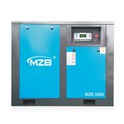

Hey there! As a supplier of Three Phase Screw Air Compressors, I often get asked about the installation requirements for these bad boys. So, I thought I'd put together this blog post to give you the lowdown on everything you need to know.
First off, let's talk about what a three - phase screw air compressor is. These compressors are a type of Screw Type Air Compressor that are commonly used in industrial settings. They're known for their efficiency, reliability, and ability to produce a large volume of compressed air. And if you're looking for one for industrial use, you might want to check out our Industrial Use Screw Air Compressor.
Location and Space
The first thing you need to consider when installing a three - phase screw air compressor is the location. You want to choose a spot that's well - ventilated. These compressors generate a fair amount of heat during operation, and proper ventilation helps to keep them cool. A stuffy, enclosed space can cause the compressor to overheat, which can lead to premature wear and tear and even breakdowns.
You also need to make sure there's enough space around the compressor. You should leave at least 3 feet of clearance on all sides. This space is important for maintenance and servicing. Mechanics need room to access different parts of the compressor, like the filters, belts, and electrical components. If the compressor is cramped in a tight space, it can be a real pain to perform routine checks and repairs.
Electrical Requirements
Three - phase power is a must for these compressors. Unlike single - phase power, three - phase power provides a more consistent and reliable source of energy, which is crucial for the smooth operation of the compressor. Before installation, you need to ensure that your electrical system can handle the load.
Check the voltage and amperage requirements of your specific compressor model. These details are usually listed in the user manual. You might need to hire a professional electrician to install a dedicated circuit for the compressor. This dedicated circuit helps to prevent overloading your electrical system and reduces the risk of electrical fires.
It's also important to have proper grounding. Grounding protects the compressor and the people using it from electrical shocks. Make sure the grounding wire is securely connected to the compressor and to a proper grounding point in your electrical system.
Foundation and Mounting
A stable foundation is key for a three - phase screw air compressor. The compressor vibrates during operation, and a wobbly or unstable foundation can cause excessive vibration, which can damage the compressor and other nearby equipment.
You can use a concrete pad as a foundation. The concrete should be thick enough (usually at least 4 inches) to support the weight of the compressor. Make sure the surface of the concrete is level. You can use a level tool to check this. If the surface is uneven, it can cause the compressor to tilt, which can lead to problems with the internal components.
When mounting the compressor on the foundation, use proper mounting hardware. Bolts and brackets should be tightened securely to keep the compressor in place.
Piping and Air Distribution
The piping system for your three - phase screw air compressor is just as important as the compressor itself. You need to use high - quality pipes that are suitable for compressed air. Galvanized steel or copper pipes are popular choices. They're durable and can withstand the pressure of the compressed air.
The pipes should be properly sized. If the pipes are too small, it can restrict the flow of air, which reduces the efficiency of the compressor. On the other hand, if the pipes are too large, it can waste energy. You can consult the compressor's manual or a professional to determine the right pipe size.
Make sure to install valves and filters in the piping system. Valves help you control the flow of air, and filters remove contaminants like dust, oil, and moisture from the compressed air. This clean, dry air is essential for the proper operation of pneumatic tools and equipment that are connected to the compressor.
Noise Considerations
Three - phase screw air compressors can be noisy. If the compressor is installed in a location where noise is a concern, like near an office or a residential area, you might want to consider using noise - reducing measures.
You can install a sound - proof enclosure around the compressor. These enclosures are made of materials that absorb sound waves and reduce the amount of noise that escapes. Another option is to use vibration - isolating mounts. These mounts reduce the amount of vibration that's transferred to the surrounding structure, which in turn reduces the noise level.
Maintenance Access
As I mentioned earlier, easy access for maintenance is crucial. You should be able to easily reach the air intake filters, oil filters, and other components that need regular replacement. Some compressors come with hinged panels or doors that make it easy to access these parts.
You also need to have a clear path to the compressor for moving it if necessary. For example, if you need to move the compressor to a different location for major repairs or upgrades, you don't want it to be blocked by other equipment or obstacles.
Safety Measures
Safety should always be a top priority. Install safety guards around moving parts like belts and pulleys. These guards prevent people from accidentally coming into contact with the moving parts, which can cause serious injuries.
You should also have a shutdown switch that's easily accessible. In case of an emergency, you can quickly turn off the compressor to prevent further damage or injury.


Training and Documentation
Once the compressor is installed, it's important that the people who will be operating it receive proper training. They should know how to start and stop the compressor, how to monitor its performance, and what to do in case of an emergency.
Keep all the documentation related to the compressor, including the user manual, installation instructions, and maintenance records. This documentation is useful for troubleshooting and for ensuring that the compressor is being maintained correctly.
If you're in the market for a Rotary Screw Air Compressor or any other type of three - phase screw air compressor, and you have questions about installation or need help with choosing the right model for your needs, don't hesitate to reach out. We're here to assist you every step of the way. Whether you're a small business owner looking for a reliable compressor for your workshop or a large industrial facility in need of high - capacity equipment, we've got you covered. Contact us to start the purchasing process and get the best three - phase screw air compressor for your requirements.
References
- Compressed Air and Gas Institute (CAGI) Standards
- Manufacturer's User Manuals for Three - Phase Screw Air Compressors