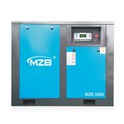

What is the duty cycle of an oilless air compressor?
As a supplier of oilless air compressors, I often encounter customers who are curious about various technical aspects of these machines. One question that comes up frequently is about the duty cycle of an oilless air compressor. In this blog post, I'll delve into what the duty cycle means, why it's important, and how it impacts the performance and lifespan of oilless air compressors.
Understanding the Duty Cycle
The duty cycle of an air compressor refers to the amount of time a compressor can operate within a given period before it needs to rest. It is usually expressed as a percentage over a 10 - minute cycle. For example, a compressor with a 50% duty cycle can run for 5 minutes and then must rest for 5 minutes within a 10 - minute period.
This concept is crucial because air compressors generate heat during operation. The components, such as the motor and the compression chamber, can overheat if the compressor runs continuously without breaks. The duty cycle is designed to prevent overheating and ensure the longevity of the compressor.
Factors Affecting the Duty Cycle
Several factors can influence the duty cycle of an oilless air compressor.
1. Compressor Design and Build Quality
High - quality oilless air compressors are often designed with better cooling systems. For instance, some compressors have larger heat sinks or more efficient fans that help dissipate heat more quickly. These compressors can typically have a higher duty cycle because they can handle the heat generated during operation better. At our company, we offer Oilless Air Compressor models that are engineered with advanced cooling technologies to ensure a longer and more reliable duty cycle.
2. Operating Pressure
The pressure at which the compressor is operating also affects the duty cycle. When an oilless air compressor is working at a higher pressure, it has to work harder, which generates more heat. As a result, the duty cycle may decrease. For example, our 8 Bar High Pressure Oil Free Air Compressor is designed to handle high - pressure applications, but users need to be aware that the duty cycle may be different compared to lower - pressure models.
3. Environmental Conditions
The temperature and humidity of the environment where the compressor is used play a significant role. In hot and humid conditions, the compressor has a harder time dissipating heat. This can lead to a reduction in the duty cycle. For example, if a compressor has a 70% duty cycle in a cool and dry environment, it may only have a 50% duty cycle in a hot and humid climate.
Importance of the Duty Cycle
1. Equipment Longevity
Adhering to the recommended duty cycle is essential for the long - term health of the oilless air compressor. If a compressor is run beyond its duty cycle, the components can overheat, leading to premature wear and tear. This can result in costly repairs or even the need for a complete replacement. By following the duty cycle guidelines, users can ensure that their compressors last for many years.
2. Performance and Efficiency
A compressor operating within its duty cycle will perform more efficiently. When the compressor is not overheating, it can maintain a consistent output pressure and flow rate. This is particularly important in applications where a stable supply of compressed air is required, such as in medical and dental facilities. Our Medical Oil Free Air Compressor is designed to provide a reliable and consistent supply of compressed air, and following the duty cycle is crucial for optimal performance.
3. Safety
Overheating can also pose a safety risk. An overheated compressor can cause electrical problems or even start a fire in extreme cases. By respecting the duty cycle, users can minimize these safety hazards and ensure a safe working environment.
How to Determine the Right Duty Cycle for Your Application
When choosing an oilless air compressor, it's important to consider the duty cycle requirements of your specific application.
1. Analyze Your Usage
Determine how long you need the compressor to run continuously. If you have a high - demand application where the compressor needs to run for long periods, you'll need a compressor with a high duty cycle. For example, in a large manufacturing plant where compressed air is used for multiple processes throughout the day, a compressor with an 80% or higher duty cycle may be necessary.
2. Consider Future Expansion
Think about any potential future expansion of your operations. If you plan to increase the demand for compressed air in the future, it's wise to choose a compressor with a higher duty cycle to accommodate the additional load.
Conclusion
The duty cycle of an oilless air compressor is a critical factor that affects its performance, longevity, and safety. As a supplier of oilless air compressors, we understand the importance of providing our customers with accurate information about duty cycles. Whether you need a compressor for medical applications, high - pressure tasks, or general industrial use, we have a range of products to meet your needs.
If you're interested in learning more about our oilless air compressors or have questions about duty cycles and how they apply to your specific situation, we encourage you to reach out to us. Our team of experts is ready to assist you in selecting the right compressor and ensuring that you get the most out of your investment. Contact us today to start a procurement discussion and find the perfect oilless air compressor for your business.


References
- Compressed Air and Gas Institute (CAGI). Standards and guidelines for air compressor performance.
- Manufacturer's manuals for oilless air compressors.