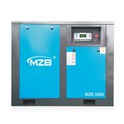

Hey there! As a supplier of Italy Type Air Compressor, I've seen firsthand how important it is to keep these machines running smoothly for as long as possible. In this blog, I'm gonna share some tips on how you can extend the service life of an Italy type air compressor.
Regular Maintenance Checks
The first and most crucial step in extending the life of your air compressor is regular maintenance. Just like your car needs oil changes and tune - ups, an air compressor requires routine checks.
- Oil Changes: Most Italy type air compressors are oil - lubricated. The oil in the compressor plays a vital role in reducing friction between moving parts, cooling the system, and preventing wear and tear. You should check the oil level regularly, at least once a week if the compressor is used frequently. And change the oil as per the manufacturer's recommendation. Usually, it's recommended to change the oil every 500 - 1000 operating hours.
- Filter Replacements: Air filters are essential for keeping the air that enters the compressor clean. A dirty air filter can restrict airflow, which makes the compressor work harder. This not only reduces efficiency but also puts extra stress on the components. Replace the air filters every 200 - 300 hours of operation or more frequently if the compressor is used in a dusty environment.
Proper Installation
Installing your Italy type air compressor correctly is key to its long - term performance.
- Location: Choose a well - ventilated area for installation. Good ventilation helps the compressor cool down effectively. High temperatures can cause the oil to break down faster and damage the internal components. Also, make sure the area is dry. Moisture can lead to rust and corrosion inside the compressor.
- Level Surface: Place the compressor on a level surface. An uneven surface can cause the compressor to vibrate excessively, which may loosen bolts and other components over time. This can lead to leaks and other mechanical problems.
Optimal Operating Conditions
Operating the air compressor under the right conditions can significantly extend its service life.
- Pressure Settings: Don't run the compressor at pressures higher than its rated capacity. Over - pressurizing can cause excessive stress on the motor, valves, and other parts. Always set the pressure according to the requirements of your tools and applications.
- Duty Cycle: Be aware of the compressor's duty cycle. The duty cycle is the amount of time the compressor can run in a given period. For example, a 50% duty cycle means the compressor can run for half of the time in a given hour. Running the compressor beyond its duty cycle can overheat the motor and other components.
Cleanliness
Keeping the air compressor clean is often overlooked but is very important.
- External Cleaning: Regularly clean the outside of the compressor to remove dust, dirt, and debris. You can use a soft brush or a compressed air gun to blow away the dirt. This helps in maintaining good ventilation and also prevents the dirt from entering the internal components.
- Internal Cleaning: Periodically, you may need to clean the internal components. For example, the condensate drain should be checked and emptied regularly. Condensate can accumulate in the air tank and cause rust if not removed.
Monitoring and Troubleshooting
Keep an eye on the compressor's performance.


- Noise and Vibration: Unusual noise or excessive vibration can be a sign of a problem. If you notice any strange sounds, such as rattling or grinding, stop the compressor immediately and check for loose parts or damaged components.
- Temperature: Monitor the temperature of the compressor. If it's running too hot, it could be due to a variety of issues, such as a clogged air filter, low oil level, or a malfunctioning cooling system.
Training and Operator Knowledge
Make sure the people who operate the air compressor are well - trained.
- Proper Use: Operators should know how to start and stop the compressor correctly, set the pressure, and perform basic maintenance tasks. Incorrect operation can lead to premature wear and damage.
- Safety Awareness: Safety is also important. Operators should be aware of the safety features of the compressor and follow all safety procedures to prevent accidents.
Spare Parts and Repairs
Using high - quality spare parts is essential for the long - term health of your air compressor.
- Genuine Parts: Always use genuine parts recommended by the manufacturer. Generic or low - quality parts may not fit properly or perform as well, which can lead to further problems.
- Timely Repairs: Don't ignore small problems. If you notice a leak, a loose connection, or any other issue, get it repaired as soon as possible. Ignoring small problems can lead to more serious and costly repairs down the line.
Storage
If you need to store the air compressor for an extended period, follow these steps.
- Drain the Tank: Completely drain the air tank to prevent rust and corrosion.
- Lubricate Moving Parts: Apply a light coat of oil to the moving parts to prevent them from drying out and seizing.
- Cover the Compressor: Use a protective cover to keep dust and debris off the compressor.
In conclusion, extending the service life of an Italy type air compressor requires a combination of regular maintenance, proper installation, optimal operating conditions, and good operator practices. By following these tips, you can get the most out of your compressor and save money on repairs and replacements in the long run.
If you're interested in purchasing an Italy Type Air Compressor or have any questions about air compressor maintenance, feel free to reach out to us. We're here to help you make the most of your investment.
References
- Compressor Manufacturer's Manuals
- Industry Best Practices for Air Compressor Maintenance