


When it comes to air compressors, the motor is like the heart of the machine. It powers the entire operation, so picking the right one is super important. As a motor for air compressor supplier, I've seen firsthand how different motors can impact an air compressor's performance. So, what are the standards for a motor for an air compressor? Let's dive in.
Power and Horsepower
First off, power is a big deal. The power of a motor is usually measured in horsepower (HP). You need to match the motor's horsepower with the requirements of your air compressor. If the motor's HP is too low, the compressor won't be able to reach the desired pressure or deliver enough air volume. On the other hand, if it's too high, you're just wasting energy and money.
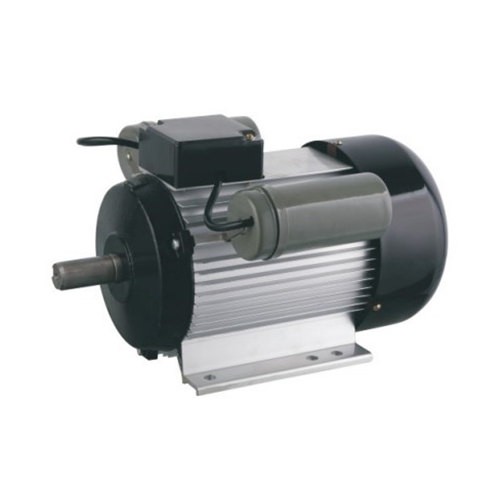
For small, home - use air compressors, like those used for inflating tires or powering small pneumatic tools, a motor with 1 - 2 HP might be sufficient. These are often Single Phase Motor for Air Compressor, which are simpler and more common in residential settings. They're easy to install and work well with the standard household electrical supply.
For industrial - grade air compressors, which need to run continuously and handle heavy - duty tasks, you'll likely need a motor with much higher horsepower. Three - phase motors are often used in these situations. Three Phase Motor for Screw Air Compressor can offer high power output and are more efficient for large - scale operations. They're designed to handle the high demands of industrial environments and can run for long periods without overheating.
Efficiency
Efficiency is another key standard. An efficient motor uses less electricity to produce the same amount of power. This not only saves you money on your energy bills but also reduces your environmental impact.
Modern motors often come with features like high - efficiency windings and advanced control systems. These technologies help the motor operate at its optimal level, reducing energy waste. For example, some electric motors use variable frequency drives (VFDs). A Electric Motor for Air Compressor with a VFD can adjust its speed according to the compressor's demand. So, when the compressor doesn't need as much power, the motor slows down, using less energy.
Durability and Reliability
Air compressors can be used in some pretty tough conditions. The motor needs to be able to withstand these environments and keep running smoothly. Durability is all about the motor's construction and the quality of its components.
A good motor should have a strong housing to protect its internal parts from dust, moisture, and physical damage. The bearings should be high - quality and able to handle the load and vibrations. Additionally, the insulation of the motor windings should be able to resist heat and electrical stress.
Reliability goes hand in hand with durability. You don't want a motor that breaks down frequently. Look for motors from reputable manufacturers with a proven track record. They usually have better quality control and offer warranties, giving you peace of mind.
Speed and Torque
The speed and torque of a motor are also important factors. The speed of the motor is measured in revolutions per minute (RPM). Different air compressors require different motor speeds. For example, some compressors work better at lower RPMs, while others need higher speeds to operate efficiently.
Torque is the rotational force that the motor can produce. It's especially important when starting the air compressor. A motor with enough torque can quickly get the compressor up and running, even under heavy loads. If the torque is too low, the compressor might struggle to start or might not start at all.
Cooling
Motors generate heat when they're running, and too much heat can damage the motor. That's why proper cooling is essential. There are different cooling methods for motors.
Some motors use natural convection cooling, where the heat dissipates into the surrounding air. This is a simple and cost - effective method but might not be enough for high - power motors. Other motors use forced - air cooling, where a fan blows air over the motor to remove the heat. This is more effective and allows the motor to run at higher temperatures without overheating.
Noise Level
In some settings, noise can be a real issue. No one wants to work in a noisy environment. A quiet motor can make a big difference, especially in places like workshops or offices.
Manufacturers are constantly working on reducing the noise levels of their motors. They use techniques like better insulation, vibration - dampening materials, and quieter fan designs. When choosing a motor for your air compressor, consider the noise level if it's a concern for your application.
Compatibility
Finally, the motor needs to be compatible with the air compressor. This includes things like the shaft size, the mounting configuration, and the electrical connections. You need to make sure that the motor can be easily installed on the compressor and that it can communicate properly with the compressor's control system.
If you're not sure about the compatibility, it's a good idea to consult with an expert or the manufacturer. They can help you choose the right motor for your specific air compressor model.
In conclusion, choosing the right motor for an air compressor involves considering multiple standards, including power, efficiency, durability, speed, torque, cooling, noise level, and compatibility. As a motor for air compressor supplier, I'm here to help you find the perfect motor for your needs. Whether you're looking for a small single - phase motor for home use or a high - power three - phase motor for industrial applications, we have a wide range of options. If you're interested in purchasing a motor for your air compressor, don't hesitate to reach out for more details and to start a procurement discussion.
References
- Various industry reports on air compressor motor technology
- Manufacturer specifications and product brochures


