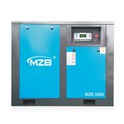

As a supplier of Medical Oil Free Air Compressors, I understand the critical role these machines play in the medical field. These compressors are designed to provide a clean, oil - free air supply, which is essential for many medical applications, such as dental equipment, respiratory devices, and surgical tools. Regular maintenance is crucial to ensure their optimal performance and longevity. In this blog, I will share some signs that indicate a medical oil - free air compressor needs maintenance.
Unusual Noise
One of the most obvious signs that something is wrong with your medical oil - free air compressor is the presence of unusual noise. During normal operation, these compressors should run relatively quietly. If you start to hear rattling, knocking, screeching, or other abnormal sounds, it could be a sign of several issues.


For example, a rattling noise might indicate loose components inside the compressor. Over time, vibrations can cause bolts and screws to loosen. If left unchecked, these loose parts can cause further damage to the compressor. A knocking sound could be a sign of a more serious problem, such as a worn - out piston or connecting rod. These parts are essential for the proper functioning of the compressor, and if they are damaged, the compressor may not be able to generate the required air pressure.
Screeching noises often come from the belts or bearings. Belts can become worn or misaligned, causing them to slip and create a high - pitched sound. Bearings, on the other hand, can wear out due to friction and lack of lubrication. When bearings start to fail, they can cause the compressor to overheat and eventually break down. If you notice any unusual noise, it is important to have your Medical Oil Free Air Compressor inspected by a professional as soon as possible.
Decreased Air Pressure
Another sign that your medical oil - free air compressor needs maintenance is a decrease in air pressure. In medical applications, maintaining a consistent and adequate air pressure is crucial. If the compressor is not able to generate the required pressure, it can affect the performance of the medical equipment that relies on it.
There are several reasons why the air pressure might decrease. One common cause is a clogged air filter. The air filter is responsible for removing dust, dirt, and other contaminants from the air before it enters the compressor. Over time, the filter can become blocked, restricting the airflow and reducing the air pressure. Another possible cause is a leak in the air system. Leaks can occur in the hoses, fittings, or valves, allowing air to escape and reducing the overall pressure.
Worn - out valves can also lead to decreased air pressure. The valves control the flow of air in and out of the compressor cylinders. If the valves are not sealing properly, air can leak back into the cylinders, reducing the efficiency of the compressor. If you notice a decrease in air pressure, you should first check the air filter and replace it if necessary. If the problem persists, it is advisable to have a technician check for leaks and inspect the valves.
Excessive Heat
Medical oil - free air compressors generate heat during operation, but excessive heat can be a sign of a problem. High temperatures can damage the internal components of the compressor and reduce its lifespan. There are several factors that can cause the compressor to overheat.
One of the main causes of overheating is a lack of proper ventilation. Compressors need adequate airflow to dissipate the heat generated during operation. If the compressor is placed in a confined space or if the ventilation openings are blocked, the heat cannot escape, and the temperature will rise. Another cause of overheating is a malfunctioning cooling system. Some compressors are equipped with a cooling fan or a water - cooling system. If these components are not working properly, the compressor will not be able to cool down effectively.
Worn - out or damaged components can also contribute to overheating. For example, a worn - out piston or cylinder can cause increased friction, which generates more heat. If you notice that your compressor is running hotter than usual, you should check the ventilation and make sure that the cooling system is working properly. If the problem persists, it is best to have a professional inspect the compressor to identify and fix the root cause of the overheating.
Increased Energy Consumption
If you notice a sudden increase in your energy bills, it could be a sign that your medical oil - free air compressor needs maintenance. An inefficient compressor will consume more energy to produce the same amount of air. There are several reasons why the energy consumption might increase.
As mentioned earlier, a clogged air filter can restrict the airflow and force the compressor to work harder to generate the required air pressure. This increased workload leads to higher energy consumption. A leak in the air system can also cause the compressor to run more frequently, as it has to compensate for the lost air. Worn - out components, such as valves and pistons, can also reduce the efficiency of the compressor, resulting in increased energy usage.
Regular maintenance, such as cleaning or replacing the air filter, fixing leaks, and replacing worn - out parts, can help improve the efficiency of the compressor and reduce energy consumption. By keeping your Medical Oil Free Air Compressor in good condition, you can save on energy costs in the long run.
Oil Contamination
Although medical oil - free air compressors are designed to operate without oil, there is still a risk of oil contamination. Oil contamination can occur if there is a problem with the seals or gaskets in the compressor. If oil enters the air supply, it can contaminate the medical equipment and pose a risk to patient safety.
Signs of oil contamination include the presence of oil in the air output or a change in the color or smell of the compressed air. If you suspect oil contamination, you should immediately shut down the compressor and have it inspected by a professional. The technician will need to identify the source of the oil and replace any damaged seals or gaskets.
Frequent Cycling
Frequent cycling, where the compressor turns on and off more often than normal, can also be a sign of a problem. This can be caused by a variety of factors, such as a malfunctioning pressure switch, a leak in the air system, or an oversized compressor for the application.
The pressure switch is responsible for turning the compressor on and off based on the air pressure. If the pressure switch is not working properly, it may cause the compressor to cycle more frequently. A leak in the air system can cause the pressure to drop quickly, triggering the compressor to turn on again. An oversized compressor may reach the desired pressure too quickly and then shut off, only to turn on again shortly after as the pressure drops.
Frequent cycling can put additional stress on the compressor components and reduce their lifespan. If you notice that your compressor is cycling frequently, you should have it checked by a technician to determine the cause and make the necessary repairs.
In conclusion, regular maintenance of your medical oil - free air compressor is essential to ensure its reliable performance and longevity. By paying attention to these signs, you can identify potential problems early and have them addressed before they cause major damage. If you are experiencing any of these issues with your compressor or are looking for a high - quality Medical Oil Free Air Compressor, Oilless Air Compressor, or 8 Bar High Pressure Oil Free Air Compressor, please feel free to contact us for more information and to discuss your specific needs. We are committed to providing the best products and services to our customers in the medical field.
References
- Compressor Handbook, by John C. Stoecker
- Air Compressor Maintenance Guide, published by the Compressed Air and Gas Institute