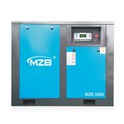

In the dynamic field of dental technology, the quest for precision, efficiency, and patient comfort is unending. Among the essential equipment in a dental practice, the air compressor plays a pivotal role. It powers a wide range of dental tools, from high - speed handpieces to air syringes. In recent years, the demand for quiet dental air compressors has been on the rise, as dental professionals seek to create a more serene environment for their patients. As a leading supplier of Quiet Dental Air Compressor, I often receive inquiries about the possibility of customizing these compressors according to specific needs. In this blog post, I will delve into this topic and explore the feasibility and benefits of custom - made quiet dental air compressors.
The Need for Customization in Dental Air Compressors
Dental practices vary widely in terms of their size, patient volume, and the types of procedures they perform. A small, private dental clinic may have different requirements compared to a large, multi - specialty dental hospital. For instance, a clinic that mainly focuses on routine check - ups and cleanings may need a less powerful compressor, while a hospital that conducts complex oral surgeries may require a high - capacity unit.
Noise is another critical factor. In a dental setting, excessive noise can cause stress and anxiety for patients, especially children and those with dental phobias. A quiet dental air compressor can significantly enhance the patient experience. However, the level of quietness required may differ based on the layout of the dental facility. A single - room clinic may need a compressor that operates at an extremely low decibel level, while a larger facility with multiple rooms may have more flexibility.
Technical Feasibility of Customization
From a technical perspective, customizing a quiet dental air compressor is indeed possible. The key components of an air compressor, such as the motor, pump, and tank, can be adjusted to meet specific requirements.
Motor Customization
The motor is the heart of the air compressor. By selecting a motor with the appropriate power rating, we can ensure that the compressor can meet the air demand of the dental practice. For a small clinic, a low - power motor may be sufficient, which also helps in reducing noise. On the other hand, a high - power motor may be necessary for a large facility with multiple dental chairs operating simultaneously. Additionally, the type of motor can be chosen to optimize quiet operation. For example, a brushless DC motor generally operates more quietly than a traditional AC motor.
Pump Design
The pump is responsible for compressing the air. Different pump designs can be used to achieve different levels of air output and noise reduction. A reciprocating pump is a common choice for dental air compressors. By modifying the piston size, stroke length, and the number of cylinders, we can customize the pump to deliver the required amount of compressed air. Moreover, advanced pump designs with improved lubrication systems can further reduce noise and vibration.
Tank Capacity
The tank stores the compressed air. Customizing the tank capacity allows us to control the frequency of the compressor's operation. A larger tank can store more air, reducing the number of times the compressor needs to start and stop. This not only extends the lifespan of the compressor but also reduces noise. For example, our Double Tank 24 Liter Oil Free Air Compressor offers a high - capacity solution for dental practices with high air demand.
Benefits of Custom - Made Quiet Dental Air Compressors
Enhanced Patient Experience
As mentioned earlier, a quiet dental environment can significantly reduce patient anxiety. A custom - made quiet dental air compressor can be tailored to the specific noise requirements of the dental facility, creating a more relaxing atmosphere for patients. This can lead to increased patient satisfaction and loyalty.
Improved Efficiency
By customizing the compressor to match the air demand of the dental practice, we can avoid over - or under - sizing the unit. An appropriately sized compressor will operate more efficiently, consuming less energy and reducing operating costs. For example, a compressor that is too large for a small clinic will waste energy by running at a lower capacity most of the time, while an undersized compressor may not be able to keep up with the air demand, leading to frequent breakdowns.
Long - Term Cost Savings
Although a custom - made air compressor may have a higher upfront cost, it can result in long - term cost savings. A well - customized compressor is less likely to experience premature wear and tear, reducing the need for frequent repairs and replacements. Additionally, its energy - efficient operation can lead to lower electricity bills over time.
Our Customization Services
As a supplier of Quiet Dental Air Compressor, we offer comprehensive customization services. Our team of experienced engineers will work closely with dental professionals to understand their specific needs.
We start by conducting a detailed assessment of the dental facility, including its size, layout, and the types of dental procedures performed. Based on this assessment, we will recommend the most suitable configuration for the air compressor.
We also offer a range of options for noise reduction. Our Oilless Air Compressor technology not only eliminates the risk of oil contamination in the compressed air but also contributes to quieter operation. We can further enhance the quietness by using sound - insulating materials and vibration - dampening mounts.
Conclusion
In conclusion, a quiet dental air compressor can be customized according to specific needs. The technical advancements in air compressor technology have made it possible to tailor the key components to meet the diverse requirements of dental practices. By choosing a custom - made quiet dental air compressor, dental professionals can enjoy enhanced patient experience, improved efficiency, and long - term cost savings.
If you are interested in learning more about our customization services or would like to discuss your specific requirements, please feel free to reach out. We are committed to providing you with the best - in - class quiet dental air compressor solutions.


References
- Compressor Handbook, Second Edition, by Klaus Brun and Eckard Specker
- Dental Equipment and Materials: Theory and Practice, by Thomas J. Hickel and William J. Fehrenbach