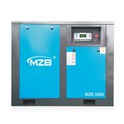

When it comes to selecting a high pressure air compressor, there are numerous factors that need to be carefully considered. As a high pressure air compressor supplier, I have witnessed firsthand the importance of making an informed decision. In this blog post, I will discuss the key factors that should be taken into account when choosing a high pressure air compressor, ensuring that you select the most suitable one for your specific needs.
1. Pressure Requirements
The first and most crucial factor to consider is the pressure requirements of your application. High pressure air compressors are designed to deliver compressed air at elevated pressures, typically ranging from 1000 to 6000 psi or even higher. It is essential to determine the exact pressure needed for your operations to ensure that the compressor can meet those requirements. For instance, if you are using the compressor for industrial applications such as powering pneumatic tools or filling high-pressure cylinders, you will need a compressor capable of delivering a consistent and reliable high pressure.
2. Flow Rate
In addition to pressure, the flow rate, also known as the cubic feet per minute (CFM), is another important consideration. The flow rate indicates the volume of compressed air that the compressor can deliver within a given time frame. It is crucial to match the flow rate of the compressor to the air consumption of your equipment. If the flow rate is too low, your tools or machinery may not operate efficiently, leading to decreased productivity. On the other hand, if the flow rate is too high, you may end up wasting energy and incurring unnecessary costs. Therefore, it is important to accurately calculate the total CFM requirements of all the equipment that will be connected to the compressor.
3. Duty Cycle
The duty cycle of a high pressure air compressor refers to the amount of time the compressor can operate continuously within a given period. It is typically expressed as a percentage. For example, a compressor with a 50% duty cycle can operate for 30 minutes out of every hour. Understanding the duty cycle is essential, especially if you have continuous or heavy-duty applications. If you require the compressor to run for extended periods without interruption, you will need a compressor with a high duty cycle. This ensures that the compressor can handle the workload without overheating or experiencing premature wear and tear.
4. Power Source
High pressure air compressors can be powered by various sources, including electricity, diesel, or gasoline. The choice of power source depends on several factors, such as the availability of power, portability requirements, and environmental considerations. Electric compressors are generally more suitable for indoor use and are quieter and more energy-efficient. Diesel or gasoline-powered compressors, on the other hand, are more portable and can be used in remote locations where electricity is not readily available. However, they produce emissions and require regular maintenance. When selecting a power source, it is important to consider your specific needs and the operating conditions.
5. Lubrication
Another important factor to consider is the lubrication system of the compressor. There are two main types of lubrication systems: oil-lubricated and oil-free. Oil-lubricated compressors use lubricating oil to reduce friction and wear between moving parts, resulting in a longer lifespan and better performance. However, they require regular oil changes and maintenance. Oil-free compressors, on the other hand, do not use lubricating oil, making them suitable for applications where oil contamination is a concern, such as in the food and beverage industry or medical applications. When choosing a compressor, it is important to consider the type of lubrication system that best suits your needs. You can explore our High Pressure Compressor with Lubricating Oil for oil-lubricated options.
6. Noise Level
The noise level of a high pressure air compressor can be a significant consideration, especially if it will be used in a residential or noise-sensitive environment. Compressors can generate a considerable amount of noise during operation, which can be a nuisance to workers and nearby residents. When selecting a compressor, it is important to choose one with a low noise level. Some compressors are designed with noise-reducing features, such as sound enclosures or vibration isolation mounts, to minimize noise emissions.
7. Size and Portability
The size and portability of the compressor are also important factors to consider, especially if you need to move the compressor from one location to another. If you have limited space or need to transport the compressor frequently, a compact and portable model may be more suitable. However, keep in mind that smaller compressors may have lower capacity and performance compared to larger models.
8. Maintenance and Serviceability
Regular maintenance is essential to ensure the reliable operation and longevity of a high pressure air compressor. When selecting a compressor, it is important to consider the ease of maintenance and the availability of service and replacement parts. Look for a compressor that has accessible components and clear maintenance instructions. Additionally, choose a supplier that offers comprehensive after-sales service and support, including maintenance, repairs, and replacement parts.
9. Cost
Finally, the cost of the high pressure air compressor is an important consideration. The cost of a compressor can vary significantly depending on its size, capacity, features, and brand. It is important to balance the initial purchase price with the long-term operating costs, including energy consumption, maintenance, and repair costs. While it may be tempting to choose the cheapest option, it is important to remember that a high-quality compressor may offer better performance, reliability, and durability, resulting in lower overall costs in the long run.
In conclusion, selecting the right high pressure air compressor requires careful consideration of several factors, including pressure requirements, flow rate, duty cycle, power source, lubrication, noise level, size and portability, maintenance and serviceability, and cost. By taking the time to evaluate these factors and choose a compressor that meets your specific needs, you can ensure that you make a wise investment and enjoy reliable and efficient operation for years to come.
If you are in the market for a high pressure air compressor, we invite you to explore our range of products, including Three Phase High Pressure Compressor and Heavy Duty Air Compressor. Our team of experts is available to assist you in selecting the most suitable compressor for your application. Contact us today to start the procurement discussion and find the perfect high pressure air compressor for your needs.


References
- Compressed Air and Gas Institute (CAGI). (n.d.). Understanding Compressed Air Systems.
- ASME Performance Test Codes. (n.d.). Compressors and Exhausters.